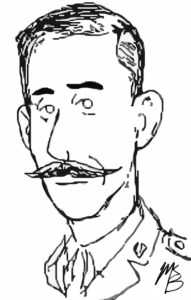
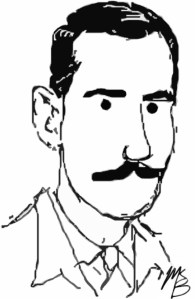
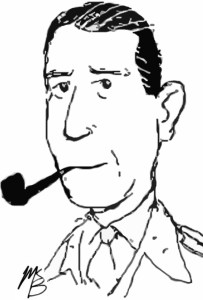
Lt-Col. J.M.K. Spurling

Lieutenant-Colonel J.M.K. Spurling
2/5th Battalion, Lancashire Fusiliers
4th Battalion, Welch Regiment

You’ve well reached the end of a long journey. Think of it—the Canadian Army in Berlin. Your experiences here are something to take home and remember … our finest and greatest brothers in the army—the Canadian Army.

(Quoted in Globe and Mail, 16 Jul 1945, 9)

Born on 9 May 1906 in Oundle, Northamptonshire, John Michael Kane Spurling joined the 4th Battalion, Northamptonshire Regiment before completing RMC, Sandhurst and taking a commission with the Leicestershire Regiment in 1927. He was stationed overseas in India and Palestine and attended the staff college at Camberley in 1939. During the early part of the Second World War, he served as a general staff officer in the United Kingdom, the Middle East and the Far East.

Continue reading

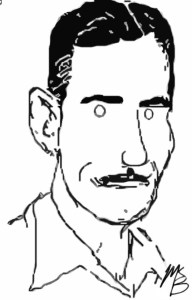
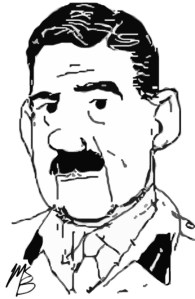
Lt-Col. F.F.E. Allen

Lieutenant-Colonel Freddie Allen
1st Battalion, Suffolk Regiment (The Buffs)
1st Battalion, East Lancashire Regiment

Throughout the long and anxious period of 27 hours, Lt-Col Allen, in spite of his wound, lack of sleep and his heavy responsibilities, continued to command his battalion with great skill, calm confidence and outstanding personal gallantry. His personal example and superb fighting qualities ensured beyond any doubt that his battalion’s objective was held firm, and that by their offensive spirit whey were able to destroy very large number of the enemy who were equally determined to regain the vital ground captured and held secure by this battalion.

(D.S.O. Bar citation, 19 Apr 1945)

Born on 30 December 1912 in Middlesex, London, Frederick Fernley Edmund Allen was an insurance broker educated at Brighton College. He joined the Territorial Army in 1937 and took a commission with the Oxford and Buckinghamshire Light Infantry. He became a replacement second-in-command for the 1st Battalion, Suffolk Regiment a month after the D-Day landings. He took command in August 1944 and October when successive commanding officers were wounded in action.

Continue reading