The Tory

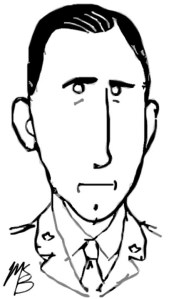
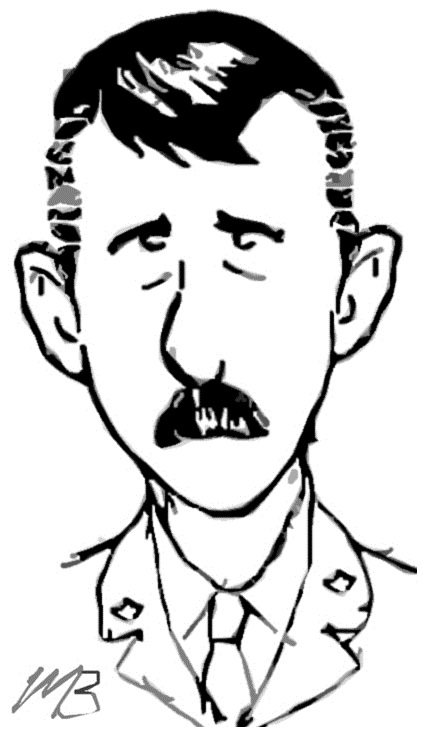
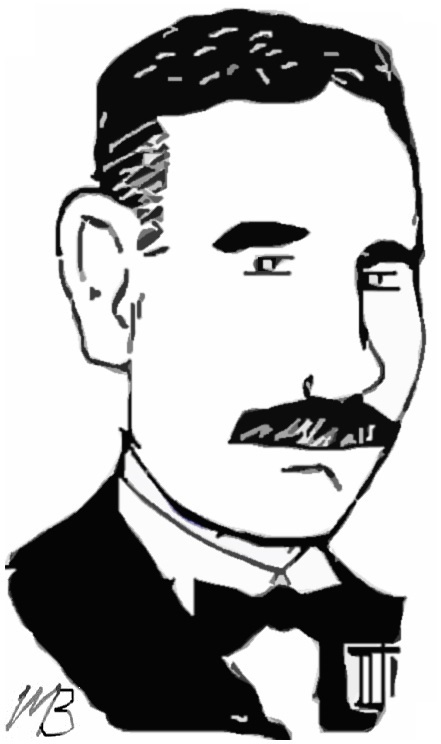
Lieutenant Colonel B. O. Hooper, M.C.
20th (Central Ontario) BattalionHooper

Remembrance Day in a sane world should be to remember the character of the enemy.

Remembrance Day should not be a mockish, sentimental thing. If the English race would remember more of what happened, they would remember that they are dealing with a people that speak in a different language.

(Hooper, Globe and Mail, 11 Nov 1938, 15)

Bertram Osmer Hooper was a Hamilton banker and member of the 13th Royal Regiment. He was born on 20 August 1879 in Churchville, Ontario. He volunteered in November 1914 as a subaltern in John McLaren’s 19th Battalion. He distinguished himself at the front and won the Military Cross for a leading a daring trench raid in January 1916.

Continue reading

The Disgruntled

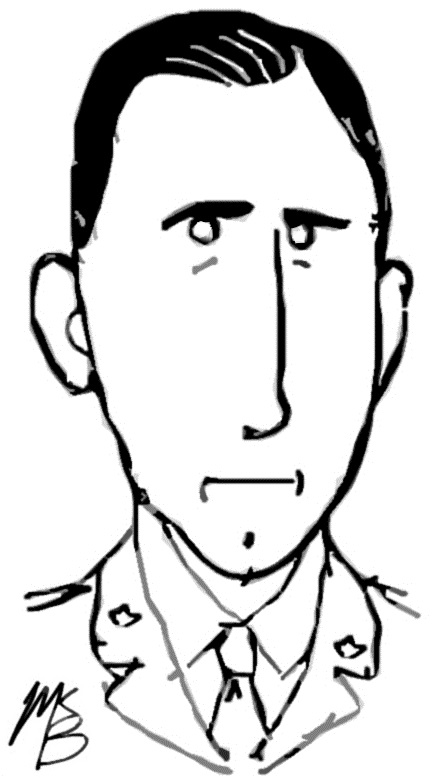
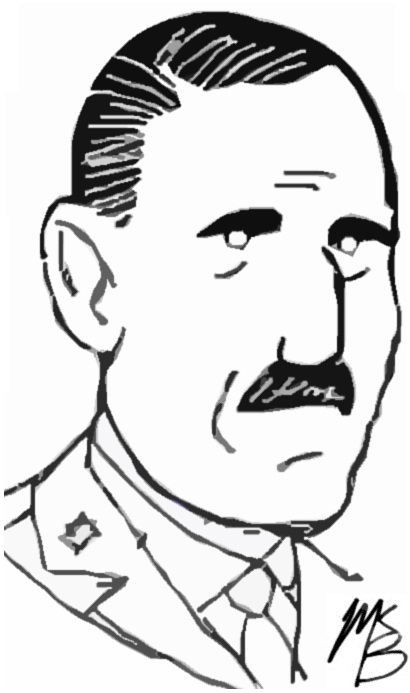
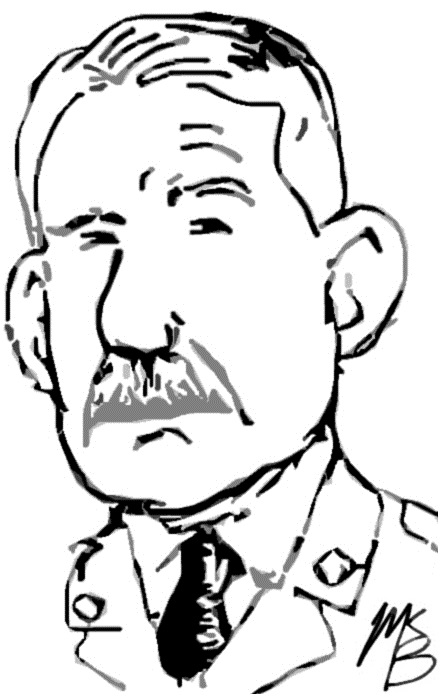
Lieutenant Colonel Hercule Barré
150th (Carabiniers Mont-Royal) Battalion Barre

If it had been intended to punish me and my battalion for a breach of discipline, no more drastic measure could have been adopted than the order to break it up and disperse its men, without their Officers, through the cadres of four different English speaking battalions.

Even if the necessity of breaking the cadre were conceded, from every point of view, the dispersion of the men is indefensible.

(Barré to Edward Kemp, 14 Feb 1918)

Born on 31 March 1879 in Montreal, Hercule Barré was a Quebec advertising manager with eighteen-years’ experience in the 65th Regiment. Wounded in the leg while fighting with the 14th Battalion during the second Battle of Ypres, Barré was invalided to Canada on board RMS Hesperian. When a German U-boat torpedoed the ocean liner off the coast of Queenstown, Ireland, Barré assisted the crew in evacuating the ship and loading the lifeboats. Sam Hughes praised the major, noting that his “conduct was only keeping with his splendid service at the front.”

Continue reading

The Tax Man

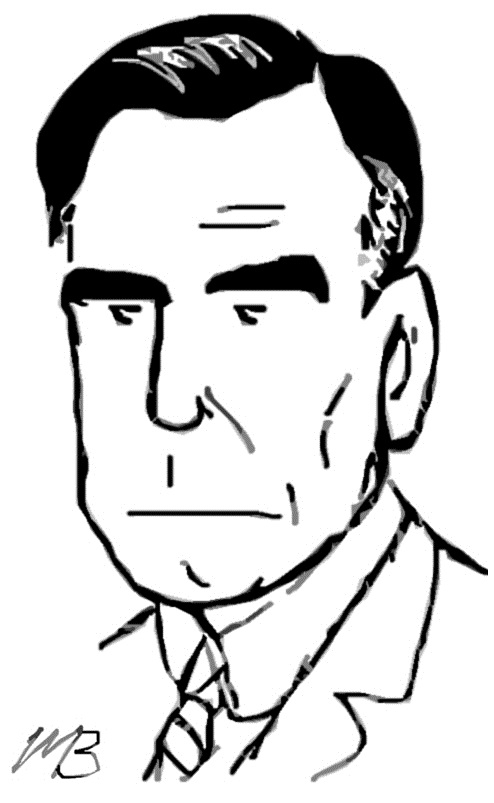
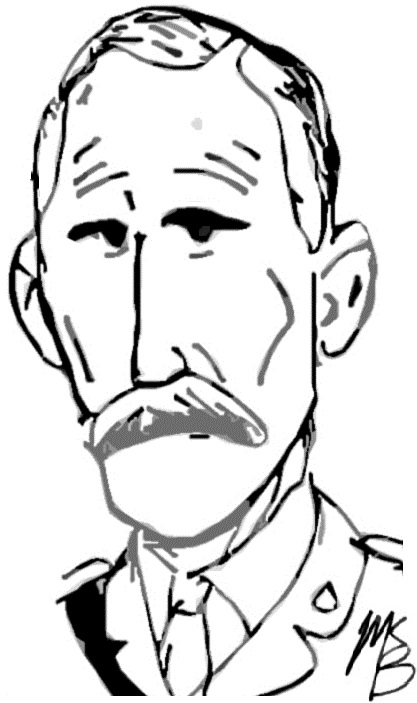
Lieutenant Colonel J. J. Glass
252nd (Lindsay) Battalion

War brought with it conscription—not as we used to see it, as the last horror of military tyranny, but as the crowning pride of democracy. An inconceivable revolution in the thought of the English speaking peoples has taken place in respect to it. The obligation of every man, according to his age and circumstance, to take up arms for his country and, if need be, to die for it, is henceforth the recognized basis of progressive democracy.

(Stephen Leacock, The Unsolved Riddle of Social Justice, 1920)

James John Glass was a customs collector born on 12 November 1872 in Mariposa Township, Victoria County. Beginning in late 1916, Glass, a captain with the 45th Regiment, attempted to raise a battalion from Lindsay. However, the home county of Militia Minister Sam Hughes had supplied most of its young men for the earlier battalions. With the volunteer system nearly at an end, Glass managed to recruit just over one hundred men.

Continue reading

The Niagara Guard

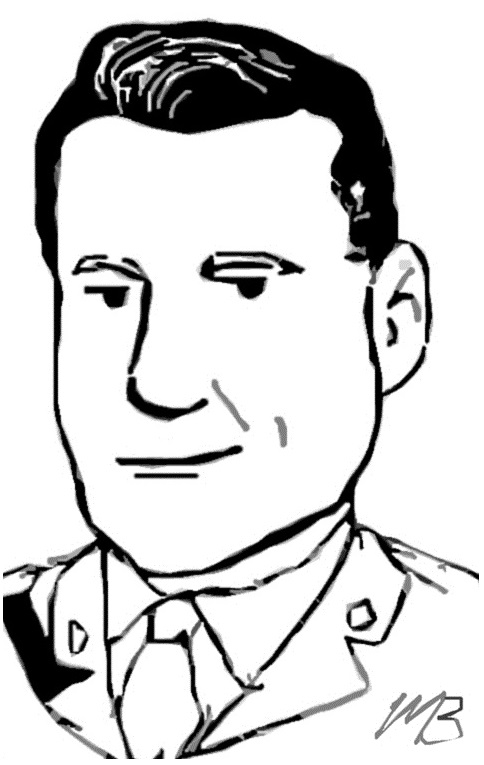
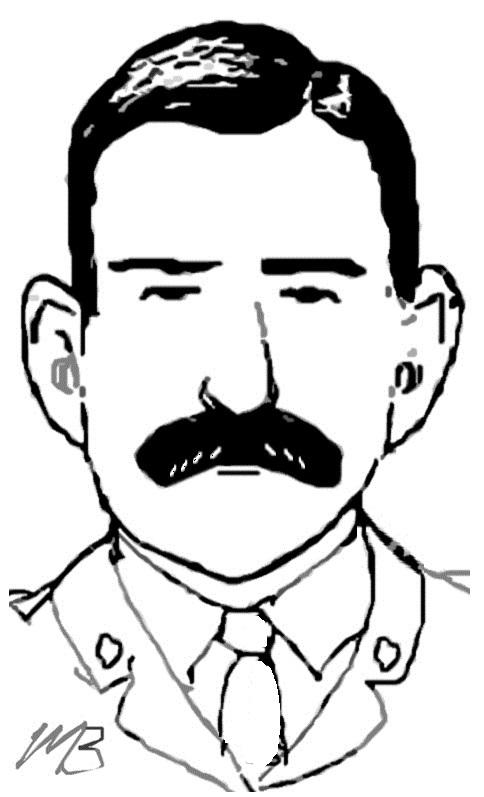
Lieutenant Colonel W. R. Turnbull
19th (Central Ontario) BattalionTurnbull

He had the interests of the men ever at heart, and would do anything to procure them comfort and security.

(Toronto Star, 22 May 1919, 8)

William Robert Turnbull was a 13th Regiment militia officer and founder of the 91st Argyll and Sutherland Highlanders. He was born in Hamilton, Canada West, on 9 January 1865. From November 1914, he served as second-in-command with the 19th Battalion under Lieutenant Colonel John I. McLaren.

Continue reading

The Liaison

Brigadier General John Embury
28th (Northwest) BattalionEmburyJFL

Words can but inadequately express our feelings. Your personality at work or at play was an inspiration to all ranks, your personal disregard of danger, your sympathy with the wounded, and your human understating of our frailties will always dwell in our memories.

(Illuminated address to Embury from 28th Bn. Officers, 1920)

John Fletcher Leopold Embury was a Regina lawyer and commanding officer of the 95th Saskatchewan Rifles. Born on 10 November 1875 in Hastings County, Ontario, he was a graduate of the University of Toronto and Osgoode Hall. In late 1914, Embury was authorized to form the 28th Battalion from the Northwest. The battalion’s official history declared, “No better choice could have been made. The colonel was a man’s man and won the confidence of all ranks…”

Continue reading

The Monocle

Lieutenant Colonel G. E. Sanders, D.S.O.
2nd Pioneer Battalion
Sanders

I would sooner see a man go around and murder people outright than have him peddling this sort of thing [cocaine]. It is apparently the greatest danger and menace against which we must contend. Once addicted to the habit, a man is never cured and is no longer a human being but a beast.

(Sanders, Calgary Herald, 15 Jan 1913, 12)

Born in Yale, British Columbia on 25 December 1863, Gilbert Edward Sanders was a graduate of the Royal Military College and a Calgary police magistrate. A former Northwest Mounted Police inspector, he was also a veteran of the 1885 Rebellion and the Boer War, where he won the D.S.O. Notorious for his harsh sentences, corporal punishment and blatant bigotry, Sanders once remarked, “the cells were the proper abode for many of the coloured men.”

Continue reading

The Dragoon

Lieutenant Colonel C. T. van Straubenzee †
Royal Canadian DragoonsStraubenzee

It was the C.O.’s intention to ride with “B” Sqdn. Whilst he was walking to his horse from a point where he had been reconnoitring, he was killed by a shell.

(R.C.D. War Diary, 9 Oct 1918, 9)

Born on 17 June 1876 in Kingston, Ontario, Charles Turner Van Straubenzee was a professional soldier and veteran of the Boer War. In 1897, he joined the Royal Canadian Dragoons as a lieutenant and distinguished himself in numerous battles during the South African campaign. He was promoted to major in 1911.

Continue reading

The Knight

Lieutenant Colonel Sir William Price
171st (Rifles of Quebec) BattalionWPrice

Anything to which Sir William puts his hand will be carried out with energy, enthusiasm and efficiency. His past record is a guarantee of that. Consequently we can be confident that there will soon be a really representative Quebec regiment in the field to uphold the honor of the Ancient Capital on the fighting line.

(Quebec Chronicle, 23 Dec 1915, 4)

William Price was a Quebec millionaire and businessman in the lumber and pulp industries. He was born on 30 August 1867 in Talca, Chile, where his Quebec-born father worked raising livestock and breeding cattle. After being sent to Quebec as a child, he was educated in England and returned to the province to work in the family lumber business, Price Brothers and Company Limited.

Continue reading

The Retiree

Colonel Septimus J. A. Denison
4th Infantry Brigade DenisonS

… I am afraid we have had in the past, officers placed upon the general staff in time of trouble who are a long way better fitted to carry a constituency or empty a bottle of good Canadian rye in the morning.

(Denison, Lecture, Feb 1898)

Born in Toronto in 1859, Septimus Junius Augustus Denison was the brother of Colonel George Taylor Denison III and member of Canada’s most prominent military family. A graduate of the Royal Military College, he served for twenty-five years with the Royal Canadian Regiment and was aide-de-camp to General Lord Roberts during the Boer War. Continue reading

The Opposition

Lieutenant Colonel Thomas B. Welch
99th (Essex) Battalion Welch

We recruited more than three thousand men here, and could have gotten as many more had not the Government put an end to voluntary enlistment by throwing a political monkey wrench into the machinery.

It was for the same reason that the county battalions, one of which I took to England, were broken up into drafts for other units.

(Welch’s Speech, Toronto Globe, 7 Dec 1917, 12)

Thomas Baird Welch was a chemist and commanding officer of the 26th Middlesex Light Infantry. He was born on 10 April 1867 in Kilwinning Scotland. He went overseas with the First Contingent in October 1914 and served as a major with the 1st Battalion in France from April to May 1915. He joined the 1st Division command staff until he returned to Canada in December 1915 to raise the 99th Battalion.

Continue reading