The War Hero

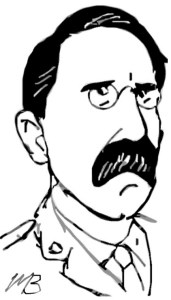
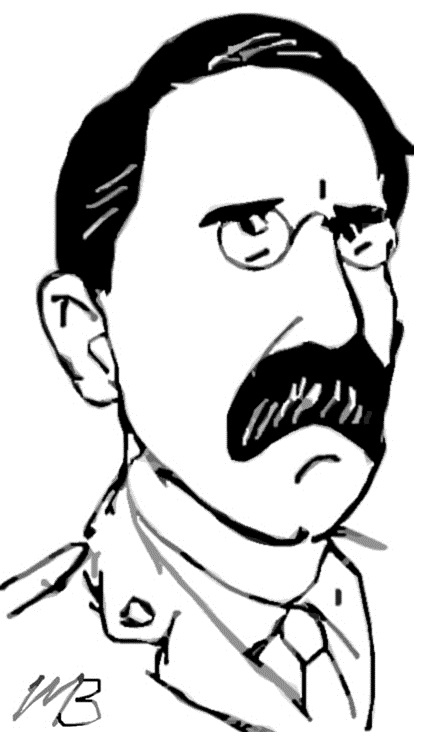
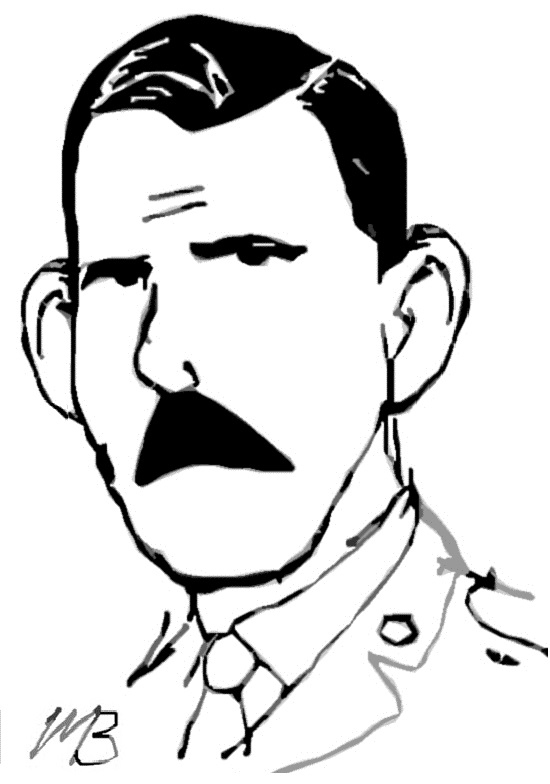
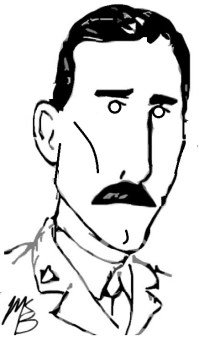
Lieutenant Colonel Cy Peck, D.S.O., V.C.
16th (Canadian Scottish) BattalionPeck

We commanders in the field have to be very careful; if you make a success of a venture you are a great hero, but if you happen to lose a few men, no matter how well your attack might be planned, your position, your reputation, and, perhaps, your head may be the price.

(Peck, Debates, 14 Mar 1919, 466.)

On 2 September 1918, Cyrus Wesley Peck led the 16th Battalion against the Drocourt-Queant Line. Under heavy machine-gun and artillery fire, Peck completed a dangerous reconnaissance mission, captured crucial objectives and directed tanks to support of his battalion’s advance. For “magnificent display of courage and fine qualities of leadership,” Peck was awarded the Victoria Cross, the highest award for gallantry in the British Empire.

Continue reading

The Last Call

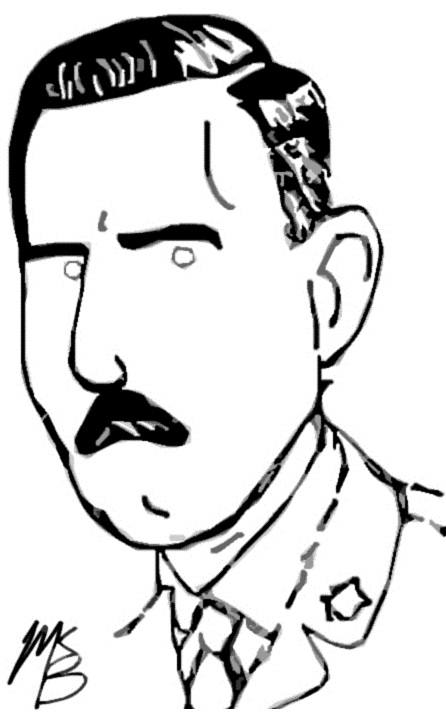
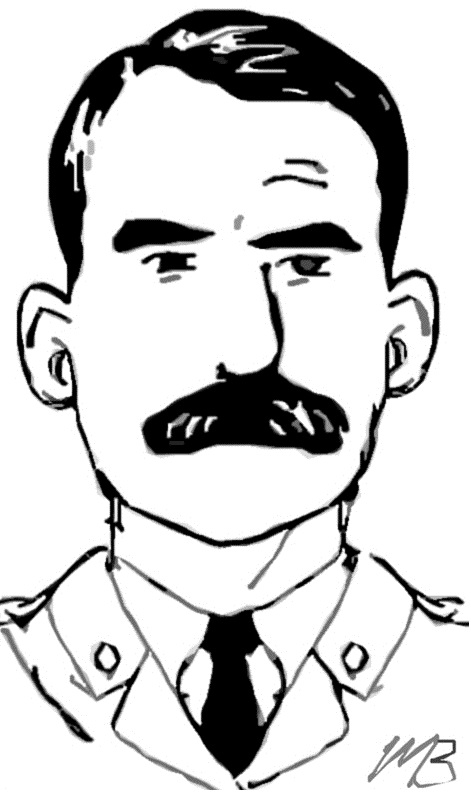
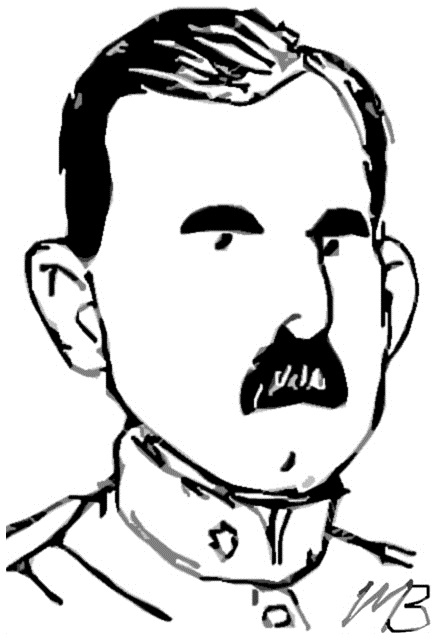
Lieutenant Colonel L.T. Martin
257th (Ottawa Railway Construction) BattalionMartin

Ordered to Stop Recruiting

…Make your application without day’s delay. Battalion goes DIRECT to France to railroads. Physical test easier. Age limit 18 to 48. This is a hurry call. It is your last chance to join the 257th. If you don’t join immediately you will lose your chance to get in. Cooks and rockmen especially wanted. Last chance to go to France with Lt-Col. Lawrence Martin.

(Ottawa Journal, 8 Feb 1917)

Born on 11 June 1884 in Arnprior, Ontario, Lawrence Thomas Martin was a Renfrew County railway contractor. In December 1916, he was selected to recruit for the 257th Railway Construction Battalion, was one of the last numbered volunteer units. The 257th sailed for England in February 1917. It was re-designated the 7th Battalion in the Canadian Railway Troops once deployed to France.

Continue reading

The Stand-patter

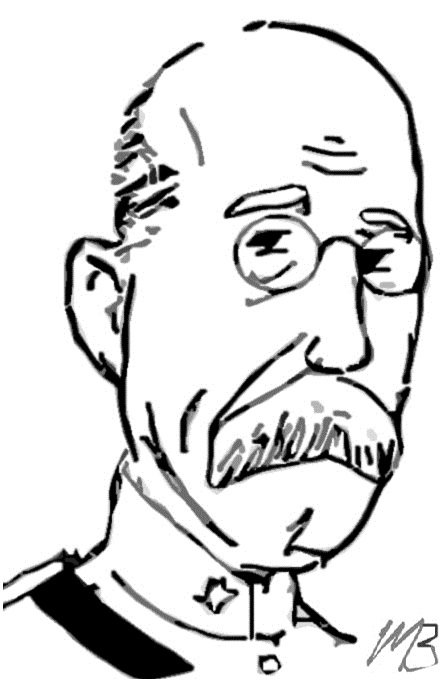
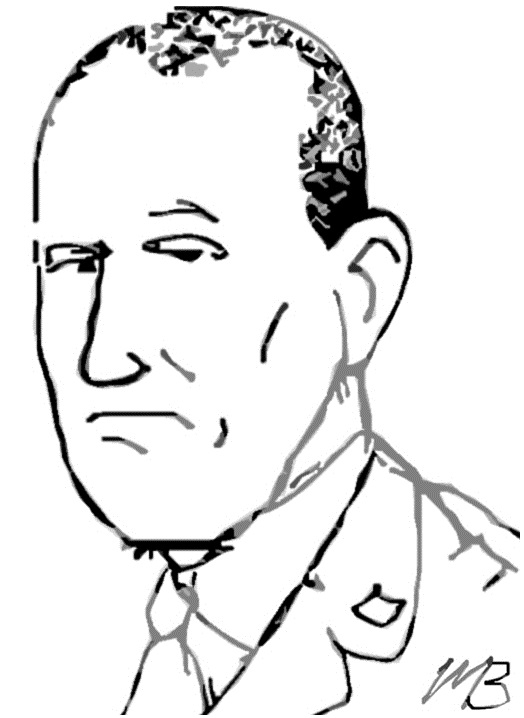
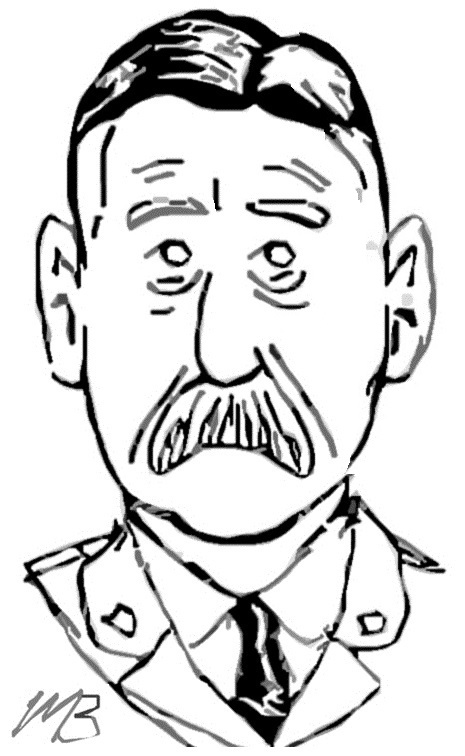
Lieutenant Colonel John. I. McLaren
19th (Central Ontario) BattalionMcLaren

“I don’t matter at all,” he said in a personal reference, “but the men who do matter are the privates and corporals who have gone through the Gethsemane of the front line trenches without a worry, save the worry they have about their dependents at home being cared for. These men and their families will demand that men who have given service to their country without profit to themselves shall represent them in the next Parliament..”

(McLaren, Toronto Globe, 3 Nov 1917, 4)

In anticipation of a possible wartime election, on 28 May 1915, the Liberal Party nominated John Inglis McLaren to run in Hamilton West. McLaren had just departed Canada in command the 19th Battalion. By the time of the December 1917 federal election and the formation of the Union Government, Liberals and Tories implored McLaren to withdraw in favour of a civilian Unionist nominee. He refused and contested the race as a soldier-candidate.

Continue reading

The Labour Man

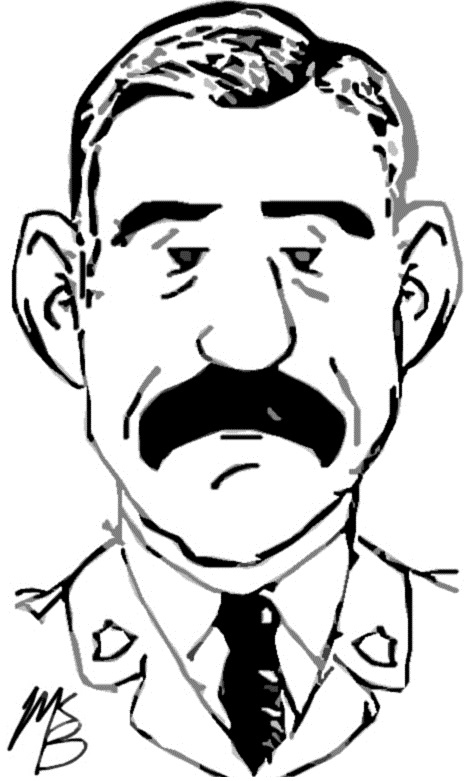
Major George W. Andrews, D.S.O.
8th (Little Black Devils) BattalionAndrews

Until a few years ago, it was believed that to maintain peace you had to prepare for war and to have big armaments. Some people believe it to-day, but millions of people know that it is a lie; millions of women know that it is a lie; millions of soldiers know that it is a lie.

(Andrews, Debates, 2 Mar 1921, 474)

George William Andrews was born in Oxfordshire, England on 9 September 1869. He immigrated to Canada in 1890, settled in Winnipeg, worked in real estate and joined the 90th Rifles Regiment. He fought at Second Ypres with the 8th Battalion alongside his son, Captain George Frank Andrews. The elder Andrews was awarded the Distinguished Service Order for gallantry in January 1916 but was soon forced from the field due to chronic asthma. One of his soldiers remembered him as “a grand old man” but regretted, “Too bad he was so old.”

Continue reading

The Lieutenant Governor

Lieutenant Colonel Harry Cockshutt
215th (38th Dufferin Rifles) BattalionHCockshutt

War should be non-existent. But before that I would have one war–to clean up Moscow.

(Cockshutt, Toronto Globe, 21 Nov 1930, 1)

I still see Canada as the greatest country and Ontario as the greatest Province. I am optimistic of the future.

(Cockshutt, Globe and Mail, 8 July 1939, 4)

Born in Brantford, Ontario, on 8 July 1867, Henry Cockshutt was a successful merchant and manufacturer of farming implements. His older brother William Foster Cockshutt was Conservative MP for Brantford and honorary colonel of the 125th Battalion. In early 1916, Henry Cockshutt was authorized to raise the 215th from his hometown.

Continue reading

The Red-Baiter

Brigadier General D. C. Draper, D.S.O.
5th Canadian Mounted RiflesDraper

Crime is a destroying influence that inflicts more useless suffering than any other social evil upon many innocent, well-deserving and hard-working individuals.

(Draper, Montreal Gazette, 4 Oct 1934, 7)

At the battle of Mont Sorrel on 2 June 1916, an enemy shell struck Lieutenant Colonel Harry Baker, commander of the 5th CMR and MP for Brome. Despite being wounded and concussed himself, Major Dennis Colburn Draper carried the body of his mortally-wounded superior officer to rear and returned to the trenches. For his heroism Draper was awarded the Distinguished Service Order.

Continue reading

The Heavyweight Champ

Lieutenant Colonel Ernest S. Wigle
18th (Western Ontario) BattalionWigle

Mayor E. S. Wigle today had more than his 78th birthday to celebrate. He could also boost of a one-punch knockout…

Mayor Wigle, 220 pounds of brawn on a still-athletic frame, felled his former pupil with a straight right to the face as they mixed after a few minutes of exhibition sparring. When he came to the admiring Campbell declared “There isn’t a man in the house could have withstood that wallop.”

(Ottawa Citizen, 9 Dec 1937, 2)

Ernest Solomon Wigle was a prominent Ontario lawyer and former mayor of Windsor (1905—1909). He was born on 5 March 1859 in Essex County, Canada West. The six-foot Wigle was active in football and cricket but his sporting speciality was boxing. In 1884, he won the intercollegiate heavyweight championship and was undefeated as the Essex County championship.

Continue reading

The Pioneer

Lieutenant Colonel A. B. Gillis
217th (Qu’Appelle) BattalionGillis

I was going to suggest that there be a public holiday for voting. We should leave the holy day alone. I imagine that if we went from one end of Canada to the other we should find that the bulk of the people are opposed to the idea of Sunday voting. In Germany they vote on Sunday, but we are not bound to follow Germany in this or any other respect.

(Gillis, Senate Debates, 11 Apr 1933, 421)

Born on 28 January 1864 in Whycocomagh, Nova Scotia, Archibald Beaton Gillis was an early settler, farmer and merchant in the Northwest Territories during the 1880s. In 1894, he was elected Conservative representative in the Northwest Territories legislature. He was speaker of the assembly from 1902 until the creation of the province of Saskatchewan in 1905. He remained a member of the Saskatchewan legislature as a Provincial Rights Party member for Whitewood until his defeat in the 1912 election.

Continue reading

The Double Colonels

Lieutenant Colonel A. J. Oliver

Oliver
&
Lieutenant Colonel W. J. Douglass

Douglas
34th (Guelph) Battalion

This officer was sent from the trenches in France Sept. 1916 suffering from nervous exhaustion due to shell fire, was in hospital in England one month then returned to Canada. At present he complains of sleeplessness, loss of strength, loss of appetite, and is easily startled and is 12 lbs. underweight.

(Douglass, “Medical History of an Invalid,” London, ON, 8 July 1916)

In January 1915, Andrew Joseph Oliver, commanding officer of the 29th Highland Light Infantry was appointed to raise the 34th Battalion from Oxford, Perth, Wellington, Waterloo, Huron and Bruce. William James Douglass, commanding officer of the 32nd Bruce Regiment was appointed second-in-command. Born on 25 May 1862 in Ashton, Canada West, Oliver was a prominent Galt manufacturer and nineteen-years member of the 29th Regiment. Born at sea on 1 January 1872, Douglass was a Walkerton accountant with nearly thirty years’ experience in the militia.

Continue reading

The Engineer

Lieutenant Colonel Walter A. McConnell
256th (Toronto Railway Construction) BattalionMcConnell

This battalion should be very popular, as a very small amount of drill is necessary, and the work of laying railways behind the lines will be particularly interesting.

(Toronto Star, 5 Jan 1917, 16)

Born on 28 September 1878 in Muskoka, Ontario, Walter Adam McConnell was a railway engineer and graduate of the Engineering Corps of the School of Science. In January 1917, he was authorized to raise the 256th Railway Construction Battalion. McConnell and the majority of his recruits had belonged to the 109th Regiment, the Home Guard unit organized by Lieutenant Colonel W. T. Stewart two years earlier. Including the volunteers in the 256th, by 1917 the 109th Regiment had provided a total 200 officers and 5,000 men for overseas service.

Continue reading