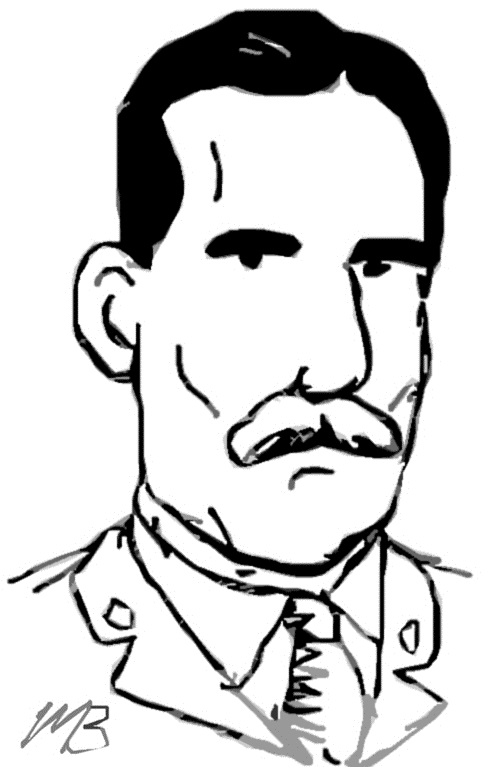
The Cemetery Keeper

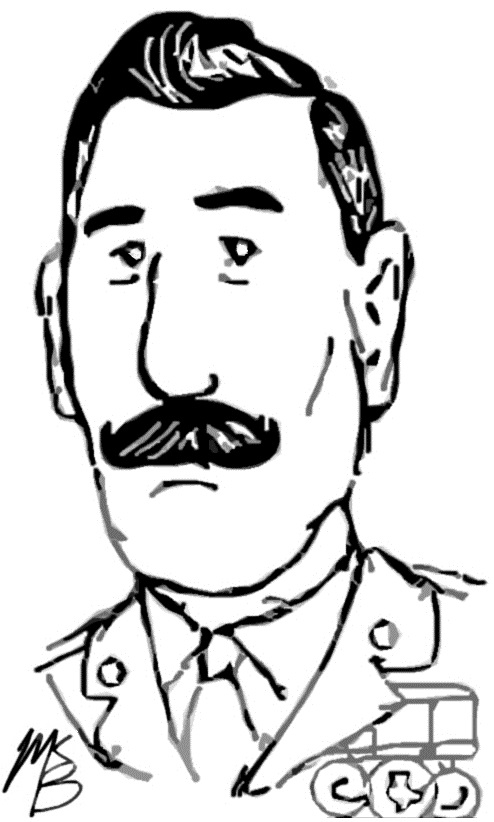
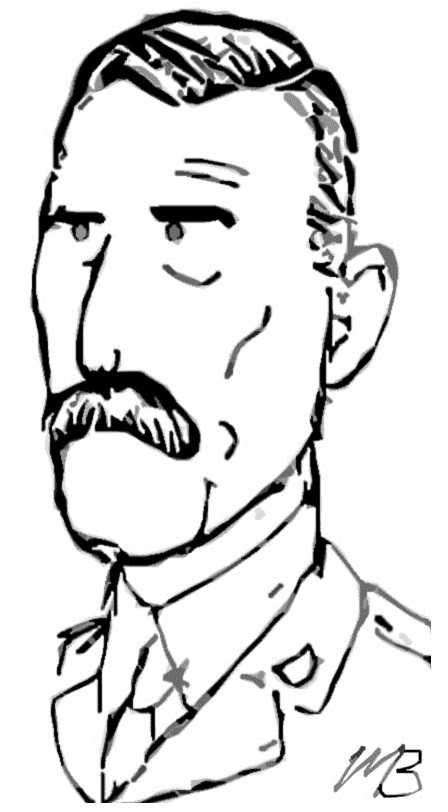
Lieutenant Colonel J. M. Prower, D.S.O.
8th (90th Winnipeg Rifles) BattalionPrower

I am pretty well all right but am scared of my nerves going, as I seem to be getting confoundedly jumpy. I suppose my “blow up” at Festubert and having been buried by Johnsons five times since, is what is worrying me, though why I cannot say, as it happens to most people.

(Prower to Aunt, July 1915)

John Mervyn Prower was born on 8 March 1885 in Quebec but grew up in England. After serving for seven years in the British Army, Prower returned to Canada and settled in British Columbia, where he joined the 31st Horse. In September 1914, he was selected captain of “H” Company in the 8th Battalion under the command of Lieutenant Colonel Louis Lipsett. He quickly gained a promotion to major in summer 1915 and later assumed command of the 8th on 3 August 1916.

Continue reading

The Nazi-Watcher

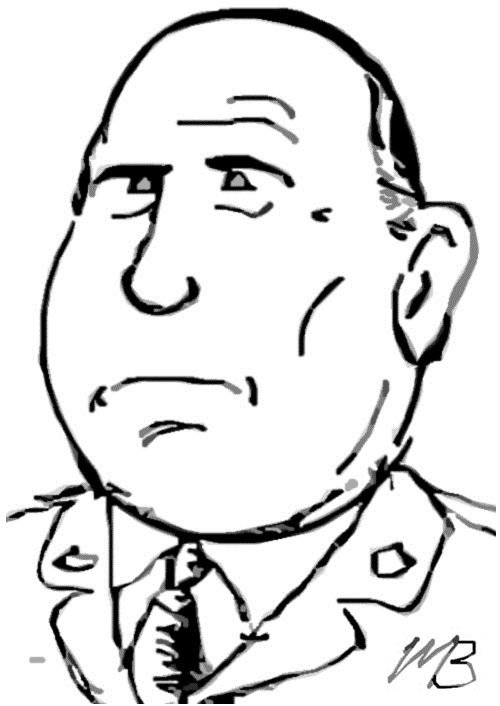
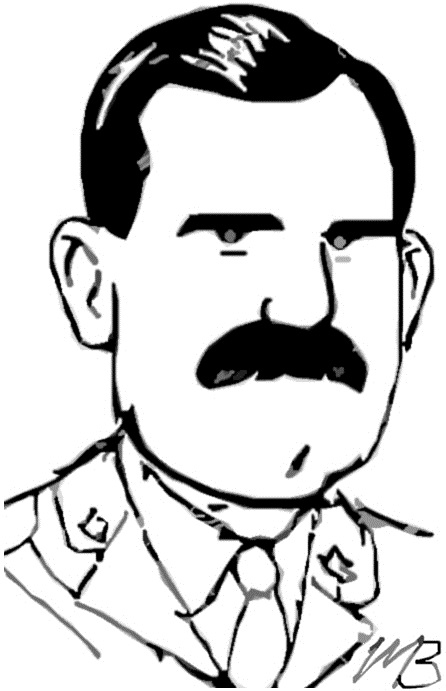
Major K. C. Bedson
8th (90th Winnipeg Rifles) BattalionBedson

Watched closely by gestapo agents in their midst, Nazi prisoners of war in internment camps in Canada wage a 24-hour battle of wits against the veteran Canadian soldiers who guard them, hoping to earn good marks for their credit in post-war Germany by constantly trying to escape and making life as difficult as possible for the camp staff.

(Col. Bedson’s report, Winnipeg Free Press, 17 Dec 1943, 5)

Kenneth Campbell Bedson was the son of Samuel Lawrence Bedson (1842—1891), an English-born army officer who settled in Manitoba after Wolseley’s Expedition in 1870. The elder Bedson was a prison warden, golfer, sportsman and hunter. As a boy, Kenneth Bedson helped his father herd buffalo on the family farm. Bedson was born In Stoney Mountain, Manitoba on 31 July 1881. During the Boer War, Bedson fought with the 2nd Mounted Rifles. He also belonged to the 100th Winnipeg Grenadiers and the Fort Garry Horse. In September 1914, he enlisted as a captain in Lieutenant Colonel Louis Lipsett’s 8th Battalion.

Continue reading

The Adjutant General

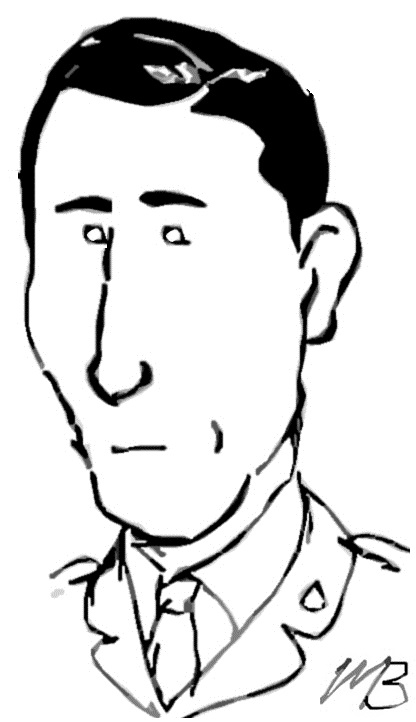
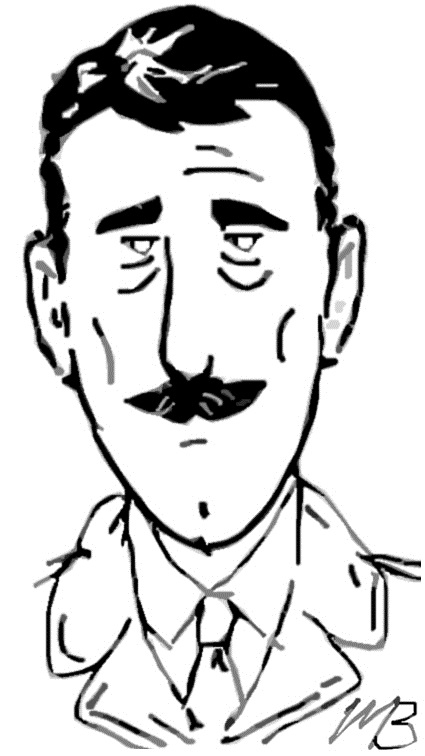
Lieutenant Colonel H. H. Matthews, D.S.O.
8th (90th Winnipeg Rifles) BattalionMatthews

General Matthews had been one of ray closest friends since the First Great War. We are going to greatly miss his advice and help at National Defence Headquarters. He was a man with a most lovable character, who was friendly with people and in turn inspired their friendship. In France and Belgium he was a first class fighting man and in peace-time he was also a first-rate officer. Few officers in either peace or war were more efficient.

(Gen. T. V. Anderson’s statement, Ottawa Journal, 13 May 1940, 15)

Born on 22 May 1877 in Lower Harford, England, Harold Hallord Matthews immigrated to Vancouver in 1894. He became a cattle rancher and joined the British Columbia Horse. He fought in France with Louis Lipsett’s 8th Battalion until he was wounded at Second Ypres in April 1915. He rejoined his unit five months later and was appointed commanding officer on 28 September 1915 following the elevation of Lipsett to the 2nd Brigade.

Continue reading

The Irishman

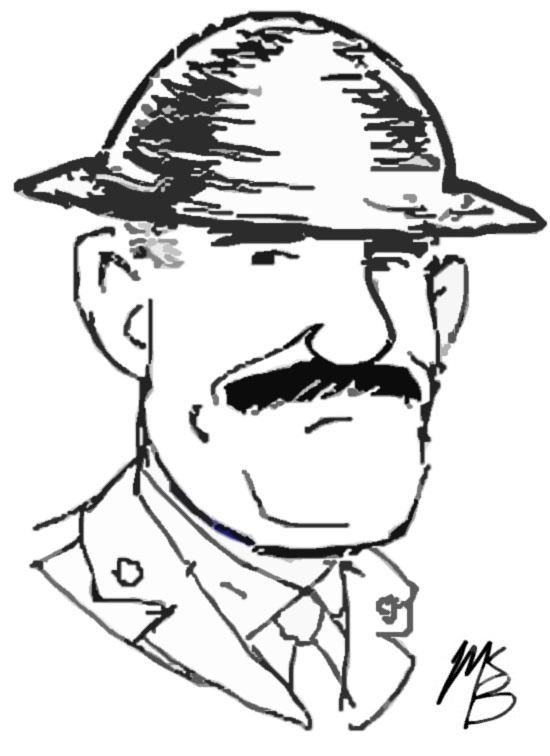
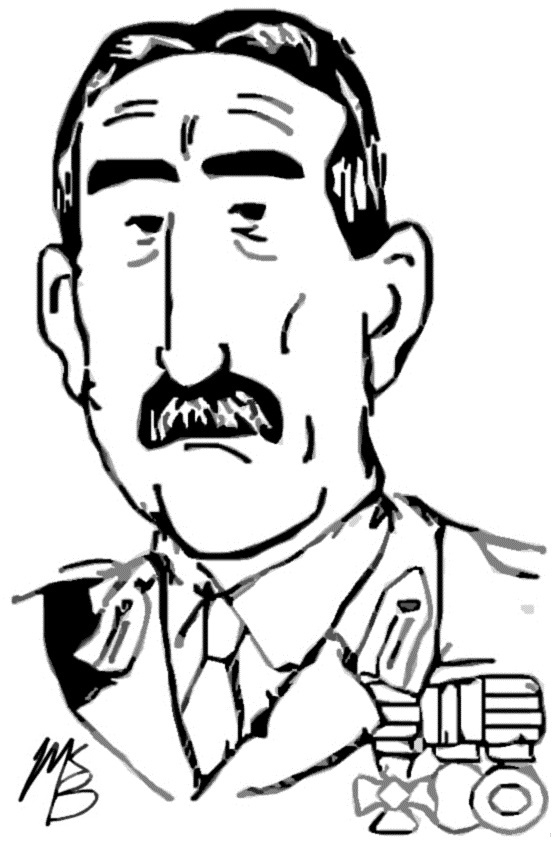
Major General Louis Lipsett †
8th (90th Winnipeg Rifles) BattalionLipsett

General Lipsett is not only a fine soldier but a sympathetic Irishman, with the power of inspiring personal affection and devotion among those under him to a very unusual degree.

He inspires such confidence that I cannot imagine any man showing fear in his presence. To have Lipsett by your side would be enough to give a coward courage. “He never asks anyone to do a thing that he is not ready to do himself,” his men say. “He never forgets a man. He knows everybody’s name and all about us.”

(F. A. McKenzie, Through the Hindenburg Line, 1918, 9)

Born on 14 June 1874 in Ballyshannon, Ireland, Louis James Lipsett was a professional soldier with the Royal Irish Regiment. He served for five years in India on the Northwest Frontier. A veteran of the Tirah Campaign and the Boer War, he participated in an officer exchange program with the Canadian militia in 1911 and relocated to western Canada. After the outbreak of the Great War, he secured British Columbia coastal defences and assumed command of the 8th (Little Black Devils) Battalion, based in Winnipeg.

Continue reading

The Shopkeeper

Lieutenant Colonel J. A. W. Allan
20th (Central Ontario) BattalionJAWAllan

Replying to the address of welcome, Col. Allan spoke briefly, thanking his fellow townsmen for their many expressions of kindness. He had visited England, Wales, Scotland, Belgium and France, where he was in the trenches for a short time. He thought the ultimate victory of the allies was beyond doubt, but much hard fighting remained.

(Toronto World, 25 Sept 1916, 2)

Born on 6 September 1864, John Alfred Walker Allan was a successful hardware merchant and mayor of Newmarket (1913—1914). He stepped down at the outbreak of the Great War to raise the 20th Battalion from his hometown and central Ontario. Commanding officer of the 12th York Rifles, Allan had also served in the Northwest Rebellion of 1885.

Continue reading

The Imposter

“Colonel” Omar Leslie Macklem

Detroit—“Colonel” Omar L. Macklem who for several days has been lionized locally as a war hero, and who has figured prominently in military demonstrations here, today was ordered deported to Canada…

(New York Times, 6 Nov 1917, 3)

Entire vindication has been given Col. Omar Macklem, whose famous case aroused the interest of the whole country…

(Toronto Globe, 11 Dec 1917, 10)

After United States border officials deported Omar Leslie Macklem from Michigan in November 1917, Canadian military authorities charged the “bogus colonel” with impersonating an officer and forging cheques. Born on 12 June 1884 in Tilbury, Ontario, Macklem had enlisted as a private with the 33rd Battalion in March 1915.

Continue reading

The Legacy

Lieutenant Colonel G. T. Denison †
2nd Division Cyclist CompanyDenison

Lieut.-Col. Denison’s death is a great personal loss to me as an old friend. It must be a splendid satisfaction to his family to know he upheld the traditions of the first military family in Canada. As to the loss to Col. Denison, I can only say that when I left him this morning he was bearing his grief like a Christian gentleman and a soldier.

(Crown Attorney Seymour Corley, Toronto Star, 15 May 1917, 2)

On 8 May 1917, George Taylor Denison IV was killed in action at the battle of Fresnoy. His father, Toronto police magistrate Colonel George Taylor Denison III (1839—1925) was a long-time Conservative militia leader, imperialist activist and patriarch of one of the city’s most influential Loyalist families. When the death of Denison was announced during a session of his father’s police court, the elder judge sat motionless before quietly exiting to his chambers. He was later heard to remark, that his son “would wish no better death than to die for his country.”

Continue reading

The Bermudan

Lieutenant Colonel A. E. Carpenter
Royal Canadian RegimentCarpenter

Colonel Carpenter, who had resided in Bermuda since the early days of the war, was deservedly popular in the community. He had a great charm of manner and his splendid courtesy and generous disposition won for him a great circle of friends. Until quite recently he was in the best of health and could daily be seen taking his vigorous early morning walk to the South Shore where he loved to bathe.

(Royal Gazette, 27 Oct 1933)

Albert Edward Carpenter was born on 2 September 1866 in Hamilton, Canada West. He joined the Royal Canadian Regiment in 1889 and served in the Boer War. He commanded the regiment from January until August 1915 while on garrison duty in Bermuda. When the R.C.R. departed for Halifax to sail on to England, Carpenter was unable to join his men in the field due to ill health and overage.

Continue reading

The Fatalist

Lieutenant Colonel E. W. Jones, D.S.O. †
21st (Eastern Ontario) BattalionJones

I have a presentiment that I am going into this fight probably to be killed.

(Lieut.-Col. Jones to W. R. Givens, Renfrew Mercury, 6 Sept 1918)

Elmer Watson Jones was killed in action on 8 August 1918 during the first day of the battle of Amiens. He had succeeded Brigadier General W. S. Hughes as commander of the 21st Battalion on 18 July 1916. A native of Brockville, Jones was born on 23 March 1874. He had served for eight years in the 41st Regiment and joined the 21st Battalion in charge of “A” company. He received a field promotion to second-in-command in January 1916.

Continue reading

The Young Man

Major Bernard C. Pittman
212th (Winnipeg Americans) Battalion
BCPittman

Ability not age is the dominating factor in promotions over there. Major Bishop of the Canadian aviation corps, the most brilliant aviator in the British army is 18 years old. There is a brigadier general in the British army who is 28. This general enlisted from civil life as a private and worked his way to the top.

This war has proven that only young men and those of good physical ability can stand the strain of battle. Look at the order of General Pershing sending home all brigadier generals over 45 years of age.

(Pittman’s speech, Ellensburg Daily Record, 23 Jan 1918, 1)

Bernard Cleveland Pittman was born on 21 March 1887 in Independence, Missouri. In late 1915, the young National Guardsman travelled to Winnipeg to join the 101st Battalion and offered to raise an all-American company. After the formation of the 97th American Legion he went to Toronto to became the battalion junior major. When a regional American battalion was formed in the west, Pittman headed back to Winnipeg to take command of the 212nd.

Continue reading