The Anti-Prohibitionist

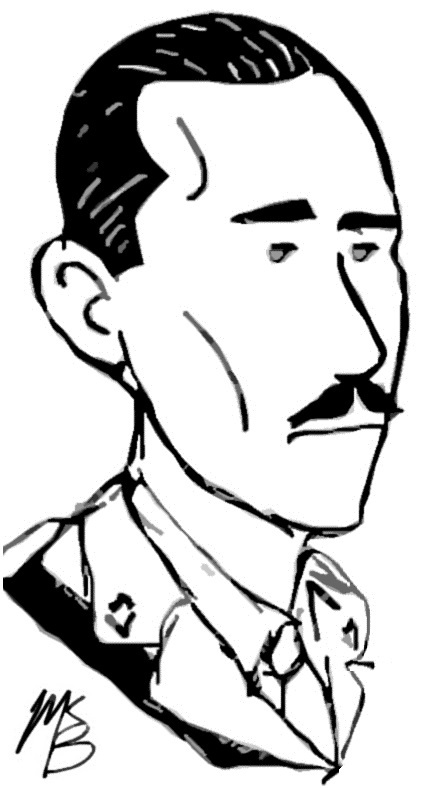
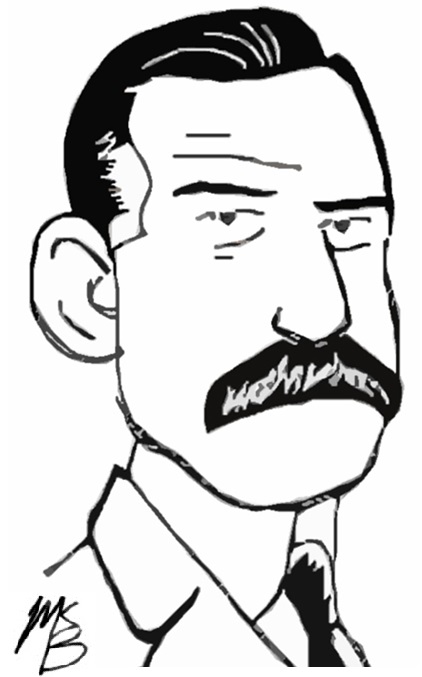
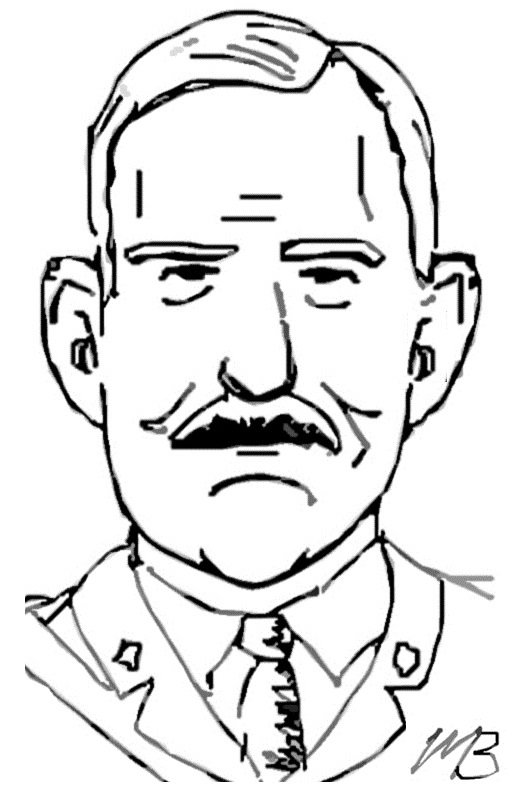
Lieutenant Colonel H. A. C. Machin, M.P.P
94th (New Ontario) BattalionManchin

My position in this war has been very small, but I have had the privilege of serving some six months on the front… during the period I spent in France amid the horrors of war and human suffering and misery and the war’s leveling effects, I felt that if I survived and returned I could never again view affairs through the same coloured glasses as I did in 1914–before the war.

(Machin, Address in Ontario Legislature, 4 Mar 1919, 2)

Harold Arthur Clement Machin was a veteran of the Boer War and Conservative MPP for Kenora in the Ontario legislature between 1908 and 1919. Born on 9 May 1875 in Rochester, New York, Machin grew up in Newfoundland and Port Arthur, Ontario. In December 1915, he was authorized to raise the 94th Battalion from the region around Port Arthur, Fort William, Kenora and Rainy River.

Continue reading

The Arsenalist

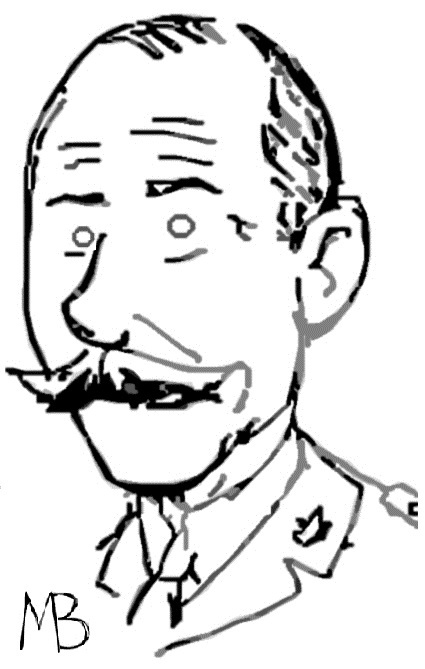
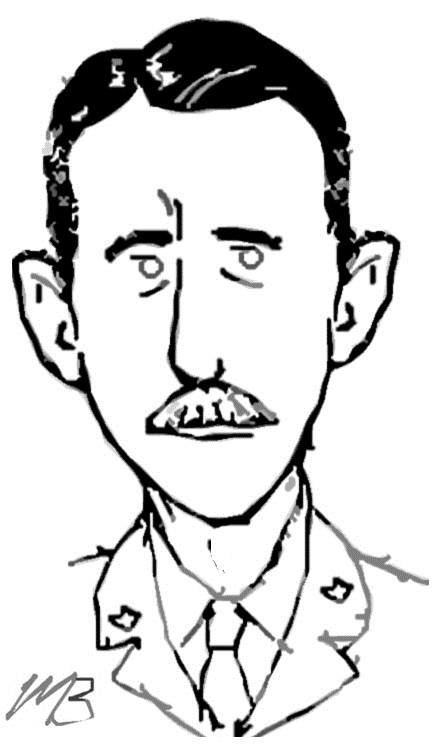
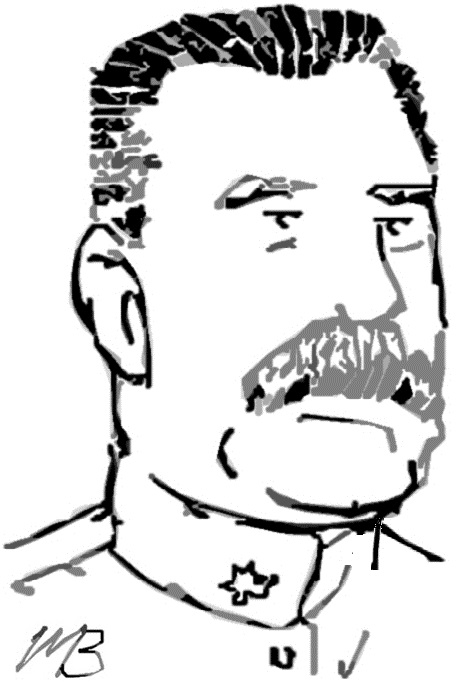
Lieutenant Colonel Fred Gaudet
22nd (Royal French Canadians) Battalion Gaudet

The news of Major Tremblay’s promotion to the command of the battalion and of Colonel Gaudet’s illness is absolutely untrue. I cannot understand who spreads these rumors that do no one any good and very often do a great deal of harm. Colonel Gaudet is still with us and I hope he will be with us until the end of the campaign.

(Vanier to Mother, 7 Jan 1916)

Frederick Mondelet Gaudet was a professional soldier and engineer with the Royal Canadian Artillery. Born in Three Rivers, Canada East on 11 April 1867, he was one of the first francophone graduates of the Royal Military College. In 1913, he incurred the wrath of Militia Minister Sam Hughes for criticizing the Ross Rifle. Hughes made trumped-up allegations of corruption and negligence against the militia colonel. One year later, in November 1914, Gaudet was appointed to command the 22nd Battalion, the first all French Canadian unit.

Continue reading

The Giant

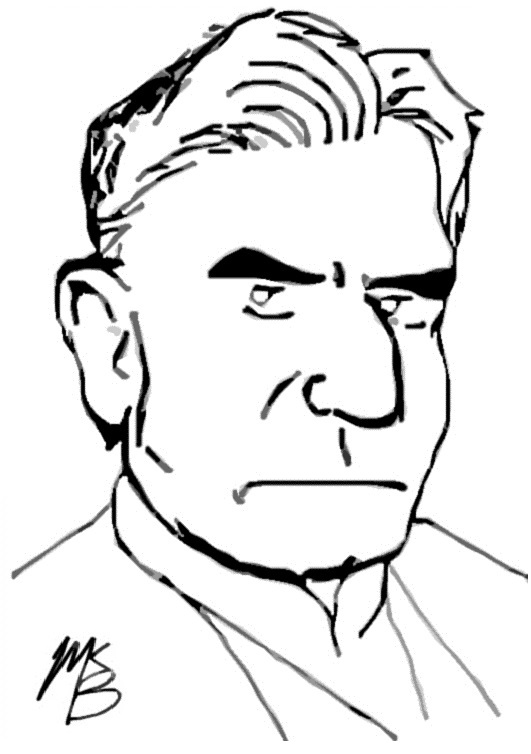
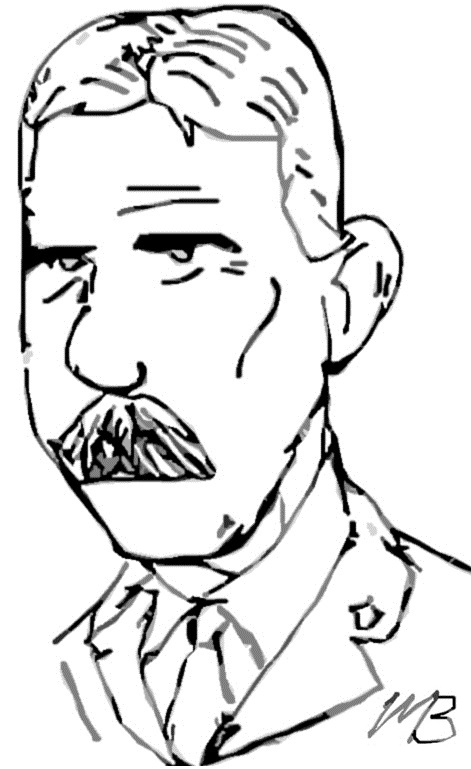
Lieutenant Colonel F. Pawlett, D.S.O.
128th (Moose Jaw) BattalionPawlett

The commanding officer, whose name I have never mentioned, may be an honorable officer. He said in a public address in the city of Moosejaw that he had been stabbed from behind… It was not an utterance an officer should have made. I have my duty to perform, and he has his. So far as I have had any personal relations with him, they have been of unalloyed friendship. I know him very slightly, because he is a stranger in our city.

(W. E. Knowles, Debates, 6 May 1916, 3541)

Born in Leicester, England on 8 September 1879, Francis Pawlett served with the Imperial Yeomanry in South Africa from 1899 to 1903. He settled in Yorktown. Saskatchewan after the Boer War and joined the 16th Light Horse in 1910. In September 1914, the six-foot-four militia officer volunteered with the 5th Battalion. Pawlett was wounded on the front, invalided to England and returned to Canada in late 1915 to raise the 128th Battalion from Moosejaw.

Continue reading

The Prisoner

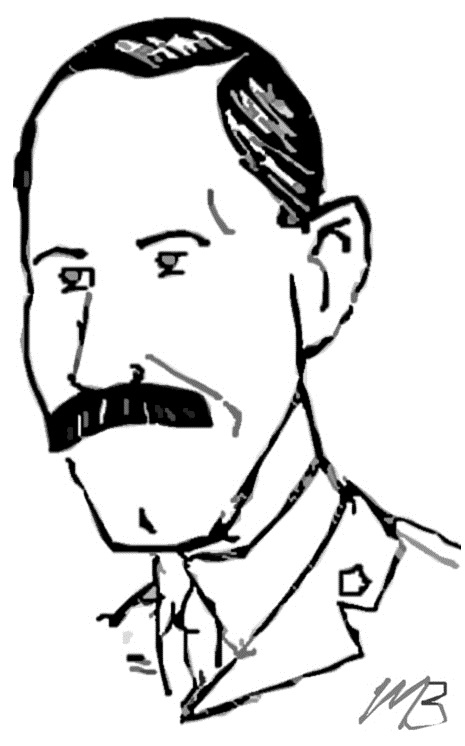
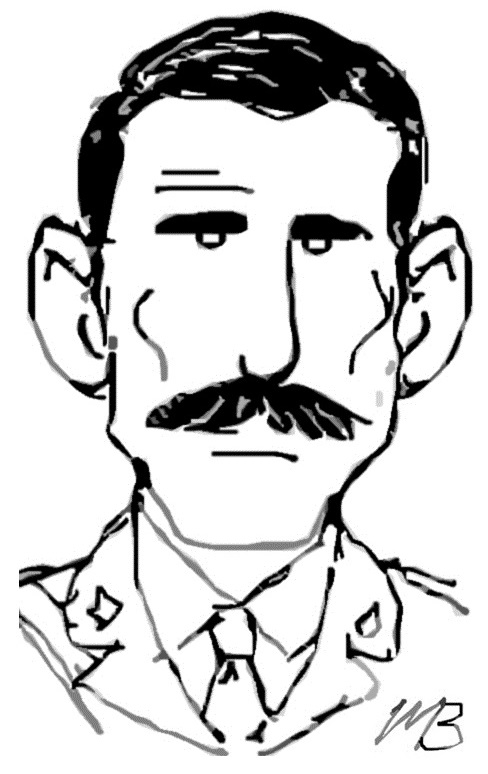
Major A. J. E. Kirkpatrick
3rd (Toronto Regiment) BattalionAJEKirkpatrick

With ammunition gone, bleeding and bent,
With hunger, thirst, and weariness near spent,
With foes in crowds on every side to hem
Them in, to capture these, God pity them.

Their day was done, their suffering still to come.
They were to know the full and total sum,
Wearily marching to captivity,
How long? God knows! An eternity

(A. E. Kirkpatrick, Toronto Globe, 22 Apr 1931, 4)

A native of Toronto, Arthur James Ernest Kirkpatrick was born on 29 April 1876. He was a graduate of Upper Canada College, twenty-one year member of the Queen’s Own Rifles and married to the daughter of prominent Liberal Party leader William Mulock. Kirkpatrick fought at Second Ypres as second-in-command of the 3rd Battalion under Lieutenant Colonel Robert Rennie.

Continue reading

The Americanist

Lieutenant Colonel P. A. Guthrie, M.P.P.
236th (Sir Sam’s Own) BattalionGuthrie

I do confess to be a Christian, but I must confess that when the time comes and we have the chance to even up old scores, I want to see their [German] towns leveled with the earth; I want to see their farmhouses in smoke; I want to see their land laid waste and desolate; and I want to see them fleeing before fire, sword and hate…

If I can but see this and help it on its way I will be happy to fall in the rush of victory…

(Boston Globe, 6 Jan 1918, 15)

Born on 20 June 1884 in Oromocto, New Brunswick, Percy Albert Guthrie was an Orangeman and Conservative member of the provincial legislature. He was one of the first volunteers to join the Canadian Expeditionary Force and sailed to England with Lieutenant Colonel Harry McLeod’s 12th Battalion. He fought with the 10th Battalion at Second Ypres and was seriously wounded by a shell explosion at Festubert on 25 May 1915.

Continue reading

The Ypres Three

Lieutenant Colonels
Birchall, Hart-McHarg & BoyleYpres3

The more details I learn of the battle before Ypres, the greater to me does the resourcefulness and bravery of brigadiers, battalion commanders, and individuals become apparent.

(General Horace Smith-Dorrien, Apr 1915)

The Canadians had many casualties, but their gallantry and determination undoubtedly saved the situation.

(Lord Kitchener, April 1915)

This week marks the one hundredth anniversary of the second battle of Ypres, the first major action of the Canadian Expeditionary Force. The battle saw 5,000 Canadian soldiers wounded and nearly 1,000 killed including three battalion commanders. On 23 April 1915, Arthur Birchall (4th Battalion) was struck down leading his men armed only with his cane. On 24 April 1915, William Hart-McHarg (7th Battalion) was shot and killed while on a reconnaissance operation. On 25 April, Russell Boyle (10th Battalion) died of severe wounds and loss of blood at a clearing hospital. All three had belonged to the 2nd Brigade under the command of Brigadier General Arthur Currie.

The Commander

Brigadier General G. S. Tuxford, D.S.O.
5th (Tuxford’s Dandies) BattalionTuxford

On the 24th [April 1915] Major Hilliam, my adjutant, called me out about 4 o’clock in the morning to witness a huge wall of greeny, yellow smoke that was rolling up the hillside. We had no idea what it was, but thought it might have something to do with the reported gas attacks of the preceding day. We were not long left in doubt.

(Tuxford, “After Action Report,” 10 Mar 1916)

Born in Wales on 7 February 1870, George Stuart Tuxford was a Moose Jaw homesteader, rancher and militiaman. In August 1914, he received authorization to raise two mounted units from the West. He later explained, “In the one battalion I placed the 12th, 16th, 27th, 29th, 30th, 31st, 35th (Light Horse) and Corps of Guides. This battalion became the 5th Canadian Infantry Battalion, and later on being asked to select a name for the battalion, I could think of no better than that of Western Cavalry, and as such they remained the 5th Battalion, Western Cavalry.”

Continue reading

The Fruit Farmer

Lieutenant Colonel Berkeley Henry Belson
81st (Niagara) BattalionBBelson

I saw many deeds performed by my own men which in an ordinary campaign would have won the Victoria Cross for them, such as binding up wounded comrades and carrying them to shelter under hot fire. Nobody wavered.

(Maj. Belson’s account of Second Ypres, Toronto Globe, 20 May 1915, 3)

Before the war, Berkeley Henry Belson was a fruit farmer in the Niagara Peninsula outside of St. Catharines. Born on 28 May 1871 in Gloucestershire, England, Belson served for six years as an infantry and artillery volunteer in the British army. His father was a Crimean War veteran and had fought in various colonial campaigns from New Zealand to China. After immigrating to Canada, the younger Belson joined the 19th Lincoln Regiment.

Continue reading

The Bug

Lieutenant Colonel A. L. Saunders, D.S.O., M.C.
8th (90th Winnipeg Rifles) BattalionSaunders

At 1 PM on January 20th 1915, we fell in to march to Tidworth. Pte. Bug Saunders (afterwards Lt. Col. Saunders, D.S.O. and bar, M.C. and bar) distinguished himself by getting into a fight and appearing on parade with one eye closed.

(A. H. J. Andrews, Diary, Jan 1915)

Alec Laurence Saunders was born on 28 September 1888 in Kingston, Ontario. In September 1914, the five-foot-three and a half Winnipeg clerk enlisted as a private with the 6th Battalion. Four years later, he was commanding officer of the 8th Battalion for the final Hundred Days of the war. Although initially viewed skeptically for his short stature, Saunders, nicknamed Bug, quickly distinguished himself in battle.

Continue reading

The Father

Lieutenant Colonel Tommy Raddall, D.S.O. †
8th (90th Winnipeg Rifles) BattalionRaddall

He was smiling as he kissed us all goodbye, but his eyes were full of tears, like ours.

I can still see the trap trotting away, the driver flicking his whip and the man in khaki dabbing at his eyes with a handkerchief. Three years later, almost to the day, he was lying dead on the battlefield of Amiens.

(T. H. Raddall Jr., In My Time: A Memoir, 1976, 26)

Born on 9 December 1876, Thomas Head Raddall was a professional British soldier and an instructor at the Hythe Musketry School. In 1913, Raddall and his family transferred to Halifax, Nova Scotia. In September 1914, he joined the 8th Battalion at Valcartier with the rank of lieutenant. He was the father of Thomas Head Raddall Jr. (1903—1994), Canadian author of historical fiction who was made member of the Order of Canada in 1971.

Continue reading