The Horseman

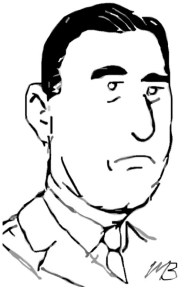
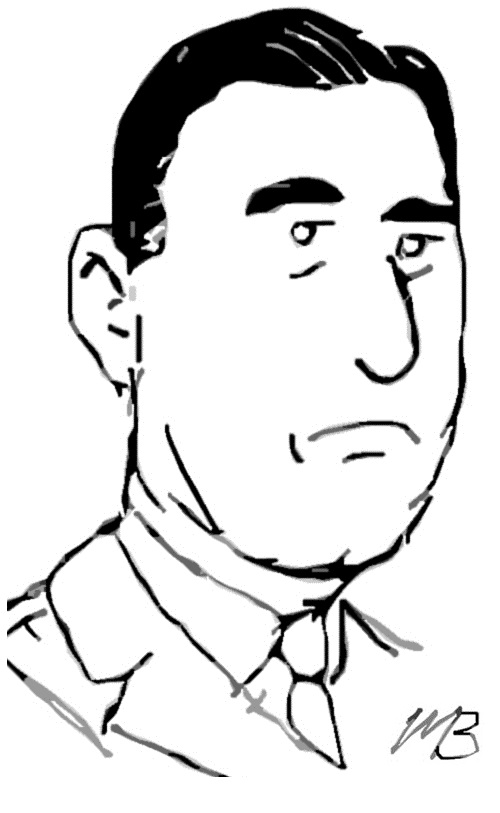
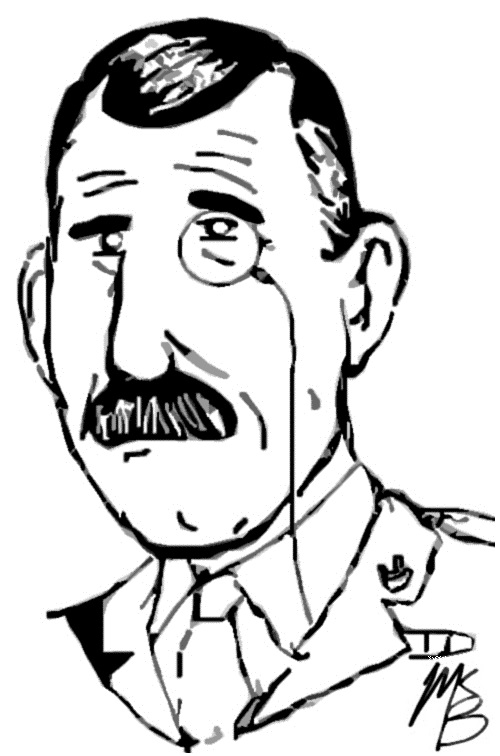
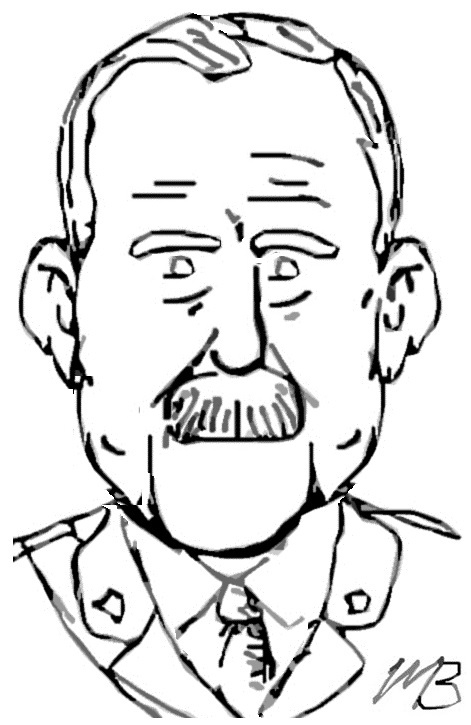
Brigadier General R. W. Paterson
6th (Fort Garry Horse) Battalion Paterson

I told him [Col. MacDonald] the whole story of the [Canadian Cavalry Brigade] and how they would like to be under command of a Canadian. He intends seeing the Bde. before going back to London. I told him everyone swears by Col. Paterson.

(Lt-Col. Beer, Diary, 15 July 1917)

Born on 22 October 1876 in Guelph, Ontario, Robert Walter Paterson founded the Fort Garry Horse in 1912. He had moved to Manitoba in 1902 and worked as a bank manager and manufacturer. In August 1914, he organized the 6th Battalion from Western cavalry militia units, including the Fort Garry Horse, 18th Mounted Rifles, 20th Border Horse, 22nd Saskatchewan Light Horse and 32nd Manitoba Horse.

Continue reading

The Polo Player

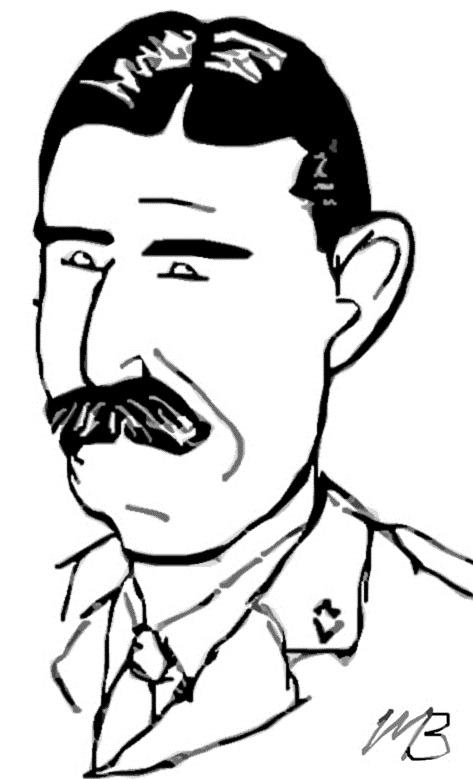
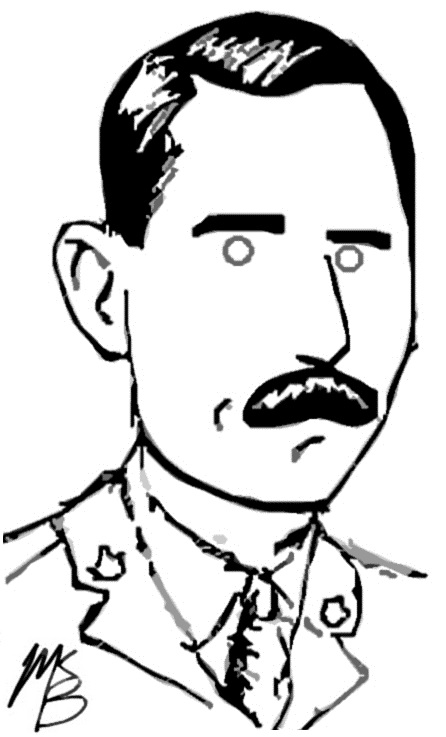
Lieutenant Colonel Bart McLennan, D.S.O. †
42nd (Royal Highlanders of Canada) BattalionMcLennan

His death is an irreparable loss, not only to the Battalion, which he loved, and for which he rendered such brilliant and devoted service, but also to the Brigade and Division. All ranks who had the privilege of serving under his command had learned to love him as a friend and counsellor, and to admire him as a brilliant and gallant soldier and gentleman.

(42nd Bn. War Diary, 3 Aug 1918, 4)

Bartlett McLennan succeeded Major S.C. Norsworthy as commander of the 42nd Battalion on 6 April 1917. Born on 10 November 1868, McLennan was a graduate of the Royal Military College and president of the Montreal Transportation Company. He advanced philanthropic initiatives in the city and promoted amateur sports as a means of social progress. An enthusiastic sportsman, McLennan was an accomplished equestrian, hunter and polo player.

Continue reading

The Grand Master

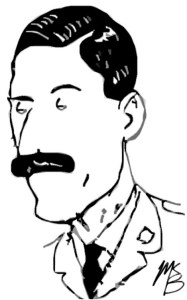
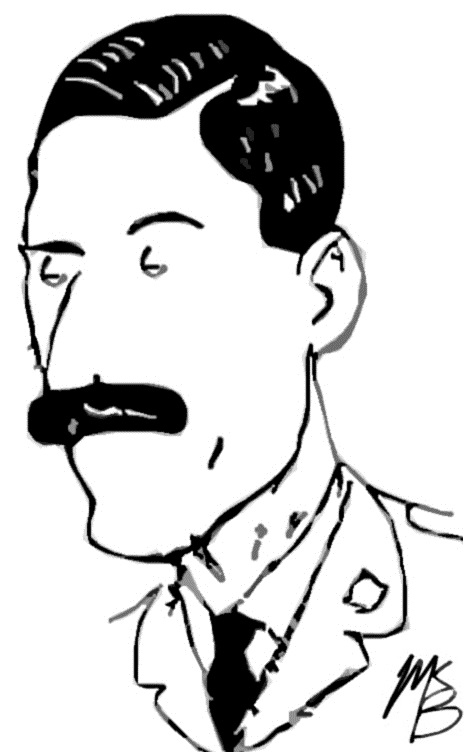
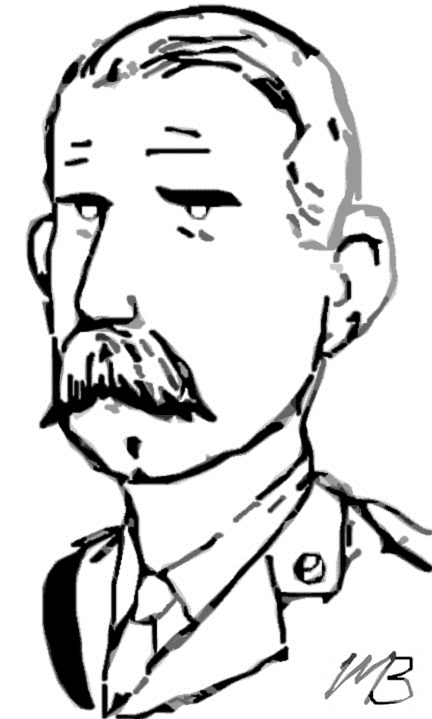
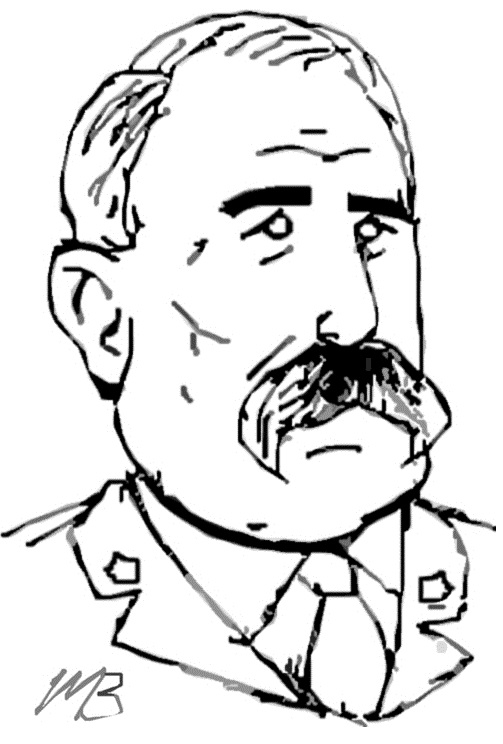
Lieutenant Colonel Milton K. Adams
155th (Quinte) BattalionMKAdams

Officer states that he is completely deaf in right ear and that in damp weather he has considerable pain and tenderness in ear. He complains of a constant foul and unpleasant discharge from antrum, discharge often abundant.

(“Medical History of Invalid,” 10 Sept 1918)

Milton Kerr Adams was an Orangeman, Grand Master of the Loyal True Blue Association and commanding officer of the 16th Regiment. He was born in South Marysburgh, Prince Edward County, Ontario on 29 July 1872. After the outbreak of the Great War, Adams became treasurer of the local Patriotic Fund. He resigned this position in November 1915 when he was authorized to raise the 155th based in Picton. At a recruitment rally in April 1916, ninety-two year old former Prime Minister Sir Mackenzie Bowell delivered an address to encourage enlistment.

Continue reading

The Cadet Instructor

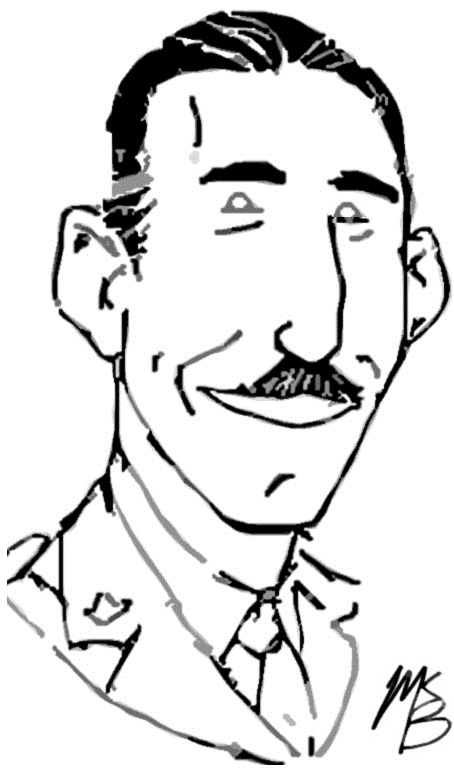
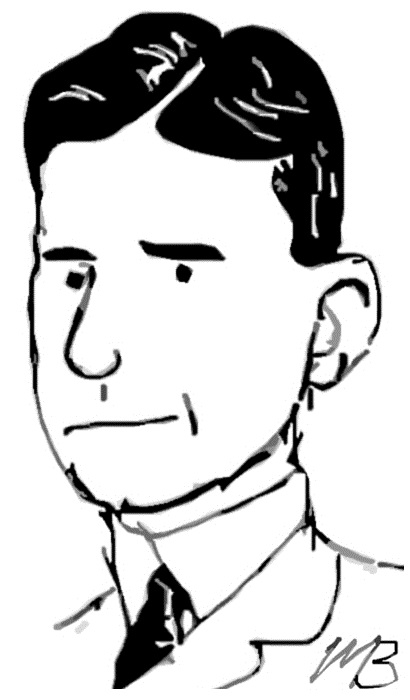
Lieutenant Colonel R. K. Barker
95th (Toronto) Battalion Barker

Man looks unwell.

Complains of weakness, loss of weight, loss of sleep, loss of nervous control. Accounts for this by loss of food and sleep.

(“Medical History of an Invalid,” 7 November 1923)

Rybert Kent Barker was a military instructor in Toronto and veteran of the Boer War. Born on 21 September 1869 in Kingston, Ontario, he had served with the Queen’s Own Rifles from 1880 to 1910 and commanded “C” company in South Africa. Prior to being appointed commander of the 95th Battalion, he was a cadet drill instructor with the 2nd Military Division.

Continue reading

The Welshman

Lieutenant Colonel A.W. Pryce-Jones
113th (Lethbridge Highlanders) Battalion
Pryce-Jones

Why is it that we never hear our O.C. condemned for little things which are common in other units?

Answer: The men are just beginning to realize that he is every inch a gentleman, every fiber a soldier and above all, every ounce a man. Always ready to listen to any man’s story and just under all circumstances, he cannot but hold the respect of the men under his command.

(Lethbridge Highlander, 16 Sept 1916, 7)

Born in Newton, Wales on 26 May 1870, Albert Westhead Pryce-Jones was the son of Sir Pryce Pryce-Jones, a former Conservative member of the British House of Commons. He attended Cambridge University, played football and served with the Royal Welsh Fusiliers. He moved to Canada in 1910 and established the department store Pryce-Jones Ltd. in Calgary.

Continue reading

The Northman

Lieutenant Colonel R. A. Gillespie
226th (Men of the North) BattalionGillespie

An ardent lover of outdoor life and successful participant in many manly sports, a natural leader of men, understanding thoroughly the life and character of the Western man, the Colonel with his splendid military knowledge, especially in machine gun and musketry, is eminently fitted to command any Canadian Battalion, but particularly one containing so large a percentage of Western men as the 226th.

(226th Overseas Battalion, C.E.F, 1916, 3)

A native of Winnipeg, Robert Alexander Gillespie was born on 24 January 1881. He was a trained druggist and chemist. In 1912, he had helped to organize the 106th Winnipeg Light Infantry. Gillespie joined the 61st Battalion as junior major until he received authorization to raise the 226th from northern Manitoba in November 1915. Dubbed the “Men of the North,” the 226th officers considered their volunteers “physically superior” to the other battalions

Continue reading

The Liberal

Lieutenant Colonel George B. McLeod
63rd (Edmonton) BattalionGBMcLeod

Every consideration should be given to the question of sentiment and it is well to encourage the idea of community of interest among the people of a certain locality. If a certain battalion is known as an Edmonton battalion, or an Alberta battalion… those who remain behind and those who have gone forward, have an interest in what that battalion is doing that he otherwise would not have had, and ignoring of that fact has tended very greatly against rapid recruiting in many parts of the country.

(Frank Oliver, Debates, 8 May 1916, 3589)

George Brown McLeod was born in Guelph, Ontario on 3 March 1870. He moved west in 1901 in order to pursue business interests in Edmonton. A member of the 101st Fusiliers, McLeod first enlisted as a captain with the 31st Battalion. He later became second-in-command of the 51st before receiving a promotion to lieutenant colonel in order to raise the 63rd from Edmonton.

Continue reading

The Coach

Lieutenant Colonel Archie Earchman, D.S.O.
228th (Northern Fusiliers) BattalionEarchman

Col. Earchman was the most popular officer ever connected with a hockey club, and he drilled it into his men to play that game. They carried this out at all times. The best wishes of every player, fan and citizen go with the Battalion.

(Porcupine Advance, 21 Feb 1917, 6)

When Archibald Earchman began organizing the 228th Battalion in early 1916, he was as much interested in putting together a championship hockey team as he was an effective military unit. In total, he recruited over sixty semi-professional and amateur players. Earchman entered a team into the 1916/1917 season National Hockey Association but they were forced to withdraw when the battalion was ordered overseas in February 1917.

Continue reading

The Boulton Boys

Major Lawrence Boulton
&
Major D’Arcy Boulton
&
Lieutenant Russell Boulton †

Manitoba Depot Regiment  Boultons

If sole support of widowed mother, state what amount you have given per month prior to your enlistment, also reason she has no other support than yourself:

All earnings. Husband dead and her only other sons married and supporting their own families. She has no other income sufficient to support her & her two daughters.

(L. C. Boulton, “Particulars of Family”, 7 Jan 1917)

The Boultons were a prominent Upper Canadian family with deep political connections and a long military tradition. During the 1885 Northwest Rebellion, Colonel Charles Arkoll Boulton (1841—1899) raised a unit to help put down the uprising of Louis Riel. In 1889, he was appointed senator for Manitoba. His oldest son, D’Arcy Everard Boulton was born in Orillia, Ontario on 26 April 1876. Lawrence Charles Boulton was born in Lakefield, Ontario on 10 December 1878. The youngest son, Russell Heath Boulton, was born in Russell, Manitoba on 24 February 1884-1918.

Continue reading

The Druggist

Lieutenant Colonel Alex Wilson
33rd (London) Battalion

A sordid story of graft was told by witness after witness at the inquiry into the affairs of the 33rd Battalion at the Armories to-day. One after another admitted trafficking in the stores of the battalion, and on top of these confessions… there came revelations of what one of the court characterized as a “liquor supply depot.”

(Toronto Globe, 17 Nov 1915, 3)

Born on 17 November 1855 in Seaforth, Canada West, Alexander Wilson was a pharmacist with thirty-five years’ experience with 33rd Huron Regiment. A noted marksman, Wilson was a five-time member of Canada’s Bisley team and won several Dominion Rifle Association awards.

Continue reading