The Ruthless

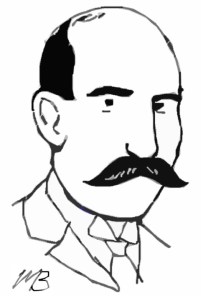
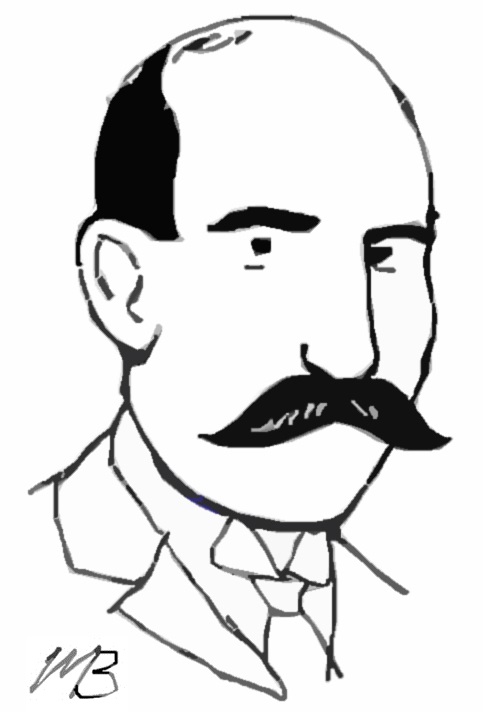
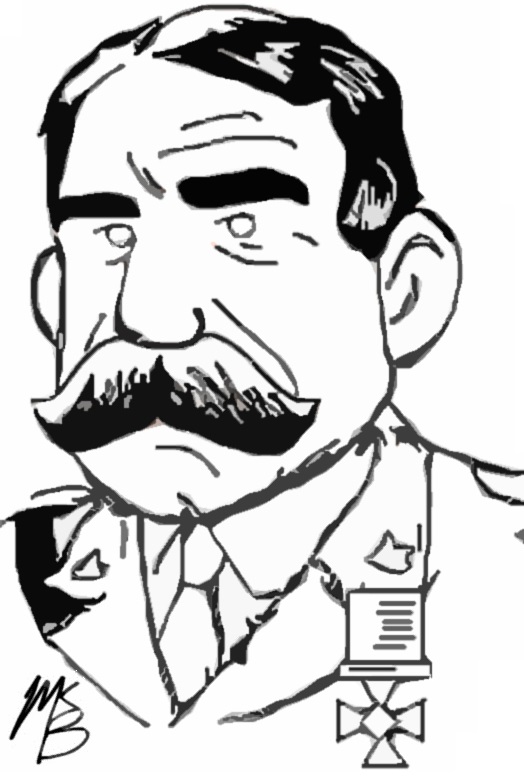
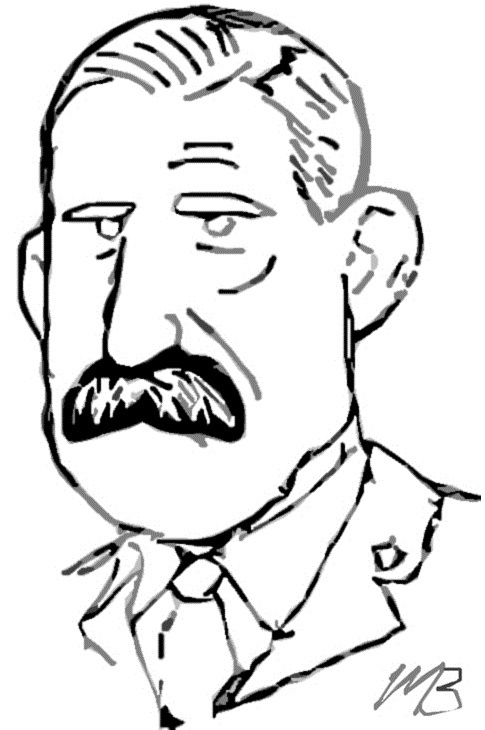
Brigadier General John M. Ross
29th (Vancouver) Battalion JMRoss

At the end of September 1916, twenty German prisoners were transferred from the 28th Battalion to the 29th under the command of John Munro Ross. After only eleven prisoners arrived to the “Corps Cage,” the 6th Brigade command staff began to make inquiries. Ross clarified the situation:

“The enemy party mentioned ran into bad luck and after a misunderstanding with one of my L.G. [Lewis Gun] crews they were too dead to be used as prisoners.”

Continue reading

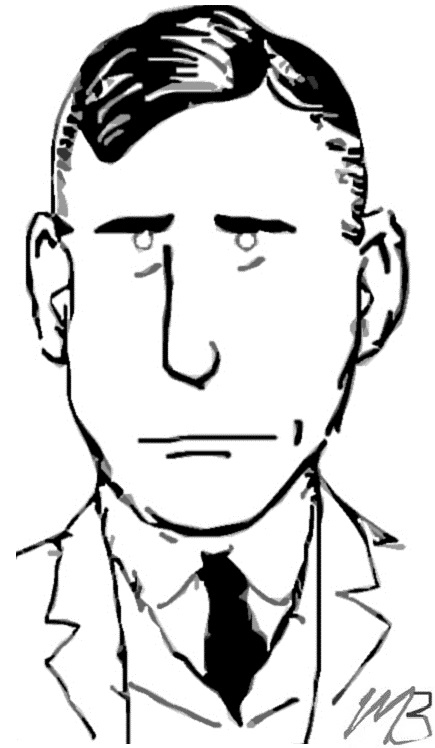
The Public Servant

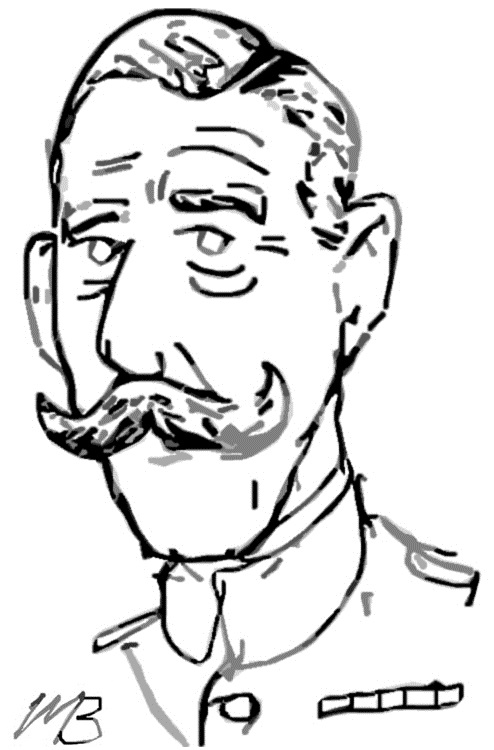
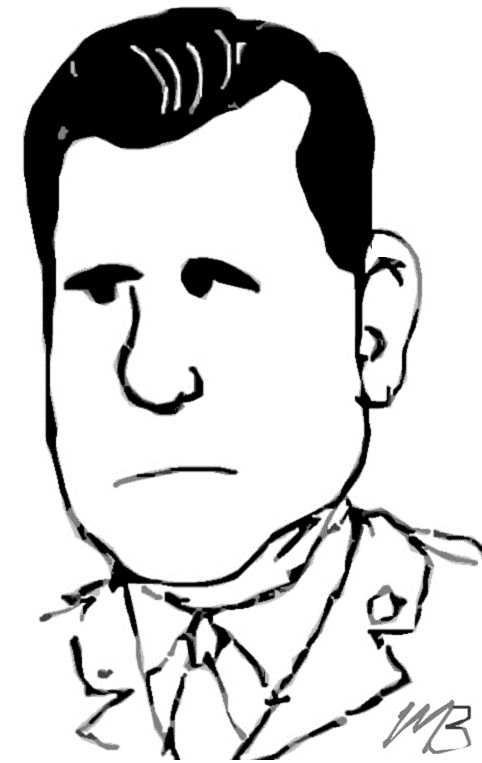
Lieutenant Colonel H. V. Rorke, D.S.O.
20th (Central Ontario) BattalionHVRorke

His character was above reproach and his whole-hearted zeal for the welfare of his men had earned for him their perfect confidence as a commander. He had never sought popularity, yet men and officers felt that they were losing a friend.

(D. J. Corrigall, The History of the Twentieth Canadian Battalion, 1935, 205)

Hebert Victor Rorke was a federal civil servant and member of the 3rd Regiment since 1885. He was born on 25 April 1869 in the Township of Collingwood, Ontario. He enlisted in Lieutenant Colonel J. A. W. Allan’s 20th Battalion on the formation of the First Contingent at Valcartier. On the front, he served as second-in-command under Lieutenant Colonel Charles Herman Rogers until December 1916 when he took over the 20th.

Continue reading

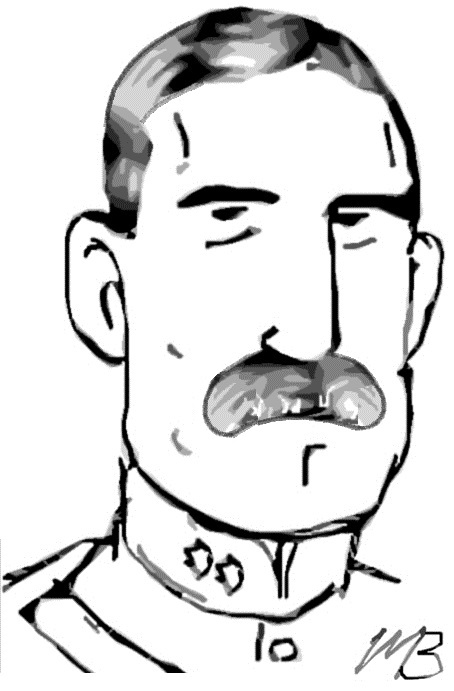
The Ranger

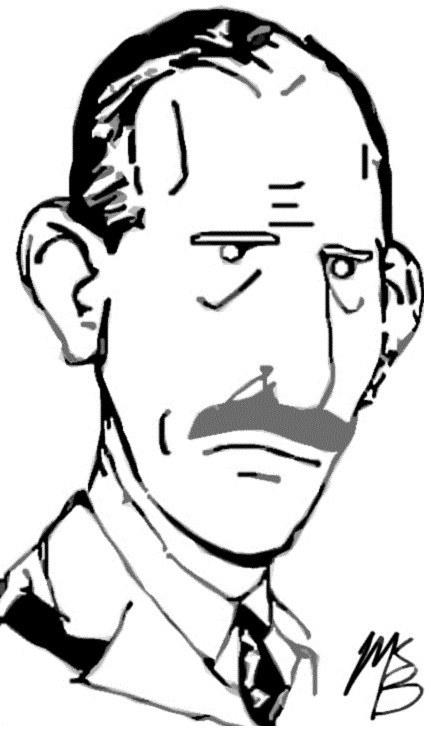
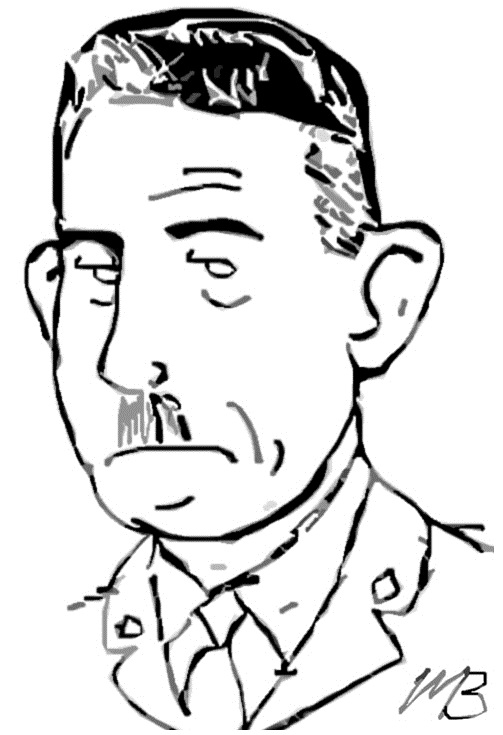
Lieutenant Colonel C. H. Rogers
20th (Central Ontario) BattalionCHRogers

If Britain should be drawn into the vortex of another European war, it would be difficult for Canada to claim the benefits of Empire and remain neutral. On the other head, if we saw fit to establish more friendly relations with our neighbours to the South, we might be drawn into a struggle bordering on the Pacific.

(Rogers, Toronto Globe, 9 Apr 1934, 10)

A descendant of famed Revolutionary War Loyalist Ranger, Robert Rogers, Charles Herman Rogers came from a long line of militiamen. Born in Grafton, Ontario on 28 December 1876, as a boy he joined the 40th Northumberland Regiment commanded by his father, Colonel Robert Zacheus Rogers (1843—1911). He served in the Boer war and in 1913 succeeded his uncle, Henry Cassidy Rogers, in command of the 3rd Prince of Wales Canadian Dragoons. In September 1914, Rogers became second-in-command to David Watson of the 2nd Battalion.

Continue reading

The Nobleman

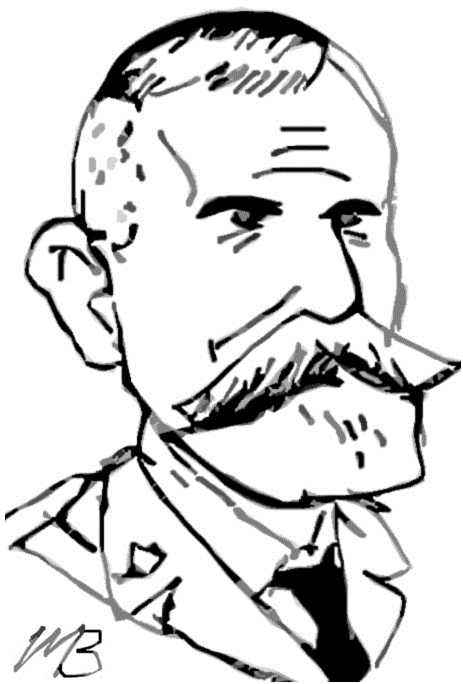
Brigadier General Lord Brooke
4th and 12th Infantry BrigadesLordBrooke

All day long I had witnessed the tragedy of men “made in the image of God” bringing their utmost skill and science to the hateful task of mutual murder.

As an exhibition of scientific slaughter the firing was lacking in nothing. The range of the guns was exact, the shooting perfect. The shrapnel burst over the heads of the retreating troops, as it were in large patterns. There was no cover, no escape for the unhappy Russians. Under this awful hail of bullets the men dropped like wheat beneath the sickle of the reaper. Death most truly was gathering a rich harvest.

(Lord Brooke, An Eye-Witness in Manchuria, 1905, 131)

Born on 10 September 1882, Leopold Guy Francis Maynard Greville was the son of British Conservative MP Francis Greville, 5th Earl of Warwick (styled Lord Brooke) and Daisy Greville, Lady Warwick, a socialist socialite who had been mistress to King Edward VII. While a student at Eton, Lord Brooke ran away to fight in the Boer War. He was a press correspondent during the Russo-Japanese War and recounted his experiences in An Eye-Witness in Manchuria (1905).

Continue reading

The Victoria Cross

Lieutenant Colonel Clark-Kennedy, V.C., D.S.O.
24th (Victoria Rifles) BattalionClark-Kennedy

Though severely wounded soon after the start he refused aid, and dragged himself to a shell-hole, from which he could observe. Realising that his exhausted troops could advance no further he established a strong line of defence and thereby prevented the loss of most important ground. Despite intense pain and serious loss of blood he refused to be evacuated for over five hours, by which time he had established the line in a position from which it was possible for the relieving troops to continue the advance.

It is impossible to overestimate the results achieved by the valour and leadership of this officer.

(Clark-Kennedy, V.C. Citation. 14 Dec 1918)

For heroically charging a German machine nest during the battle of Arras on 28 August 1918, William Hew Clark-Kennedy received the Victoria Cross, the highest award for gallantry in the British Empire. Born in Scotland on 3 March 1879, he had fought in the Boer War before immigrating to Canada, where he joined the 5th Royal Highlanders.

Continue reading

The Imperialist

Major General A. H. Macdonell, D.S.O.
Royal Canadian RegimentAHMacdonell

Theirs was not a spectacular adventure.

Modern warfare had lost that glamour which in centuries past stirred the imagination of peoples. When whole nations are aligned on the battle fields in a long mass of muddy burrows, war becomes horribly monotonous, yet officers and privates faced the same dangers and they shared the same fate.

(Macdonell, Speech at War Memorial, St. John, N.B., 10 June 1925)

Born in Toronto on 6 February 1868, Archibald Hayes Macdonell was a decorated professional soldier and veteran of multiple British imperial adventures in Africa. He had fought in the Boer War, the Aro Expedition and military operations in Nigeria with the West African Frontier Force. During the South African campaign, he had briefly been taken prisoner by Boer General Christian De Wet and earned the Distinguished Service Order.

Continue reading

The Patriot

Major Warren M. Sage
211th (Alberta Americans) BattalionSage

Many in this unit have ancestors who fought in 1776 against England, or rather against the tyranny of an English king and against German mercenaries. The descendants of these fighting men of old are proud of their ancestors’ deeds. How could the descendants of those men living through these times of stress, in days to come, answer the very natural questions from their children: “Why did you not fight for the oppressed?”

(S. R. Flowers, The Legion, Dec 1915)

Warren Morrill Sage was an American-Canadian civil engineer and militia officer in Calgary. Born in New York on 28 January 1886, Sage moved to Alberta after graduating from the Columbia School of Mines in 1906. He joined the 103th (Calgary Rifles) Regiment as a private and was reputedly a “crack shot” with a rifle. At the outbreak of the war, Sage joined the 56th Battalion as a captain and later the 137th as second-in-command. After Militia Minister Hughes created the American Legion battalions in 1915, Sage offered to recruit a unit from Alberta and British Columbia.

Continue reading

The Flagbearer

Lieutenant Colonel Paul Tudor, D.S.O.Tudor&
Major Ian Laurie Crawford, D.S.O.
&
Major John G. Anderson, M.C.
JGAnderson5th (Western Cavalry) Battalion

Major L.P.O. Tudor, D.S.O. to be acting O.C. as from 29-6-17. Major I.L. Crawford to be C.O. during temporary absence of Major L.P.O. Tudor, D.S.O. on leave from 29-6-17. Major J.G. Anderson to be 2nd in Command while Major Crawford is acting as C.O. 29-6-17.

(5th Bn. War Diary, 4 July 1917)

Following the promotion of Hugh Dyer to brigadier general at the end of June 1917, Lorn Paulet Owen Tudor assumed command of the 5th Battalion. A native of England, he was born on 3 July 1876. He had served for three years in the Royal Buckinghamshire Yeomanry before moving to Canada and joining the British Columbia Horse. At the time of his enlistment with Lieutenant Colonel Tuxford’s 5th Battalion in September 1914, Tudor worked as a rancher in Saskatchewan.

Continue reading

The Labourer

To mark the one year anniversary of this website, today’s post features an ordinary private soldier, my great-great uncle, G. W. Barrett.

Private “Bill” Barrett
208th and 102nd BattalionsGWBarrett

Over 80 per cent of the men in my battalion, and at least 80 per cent of the men in any battalion, are workingmen, who should really be the last class to be called upon. The average workingman slaves night and day to get a bare living for his wife and family, but it is the workingman who is giving lustre and glory to the name of Canada.

(T. H. Lennox, Toronto Globe, 6 Nov 1916, 4)

George William Barrett was born in Peterborough, England on 5 November 1897. He immigrated to Canada with his family in 1907 and worked as a labourer in Toronto. Standing only five-foot-three, George volunteered with the 208th Irish Fusiliers, commanded by York North MPP Lieutenant Colonel Thomas Lennox on 5 April 1916. Several weeks later, his underage brother Harry Barrett enlisted with the 204th Beavers commanded by Lieutenant Colonel William Herbert Price, another Toronto MPP.

Continue reading

The Maverick

Lieutenant Colonel Agar Adamson, D.S.O.
Princess Patricia’s Canadian Light InfantryAdamson

What really makes a real man? The best men I have known always openly say they are cowards and hate the situation they find themselves in and really are afraid, perhaps it is partly their education which helps them to realize the danger, but there is a great deal in being one of a long line of soldiers in a family, although this only partly accounts for it, for men who never saw a soldier and for generations have led useless lives, have behaved in a similar manner when put against it out here...

(Agar Adamson to Mabel Adamson [wife], 4 Mar 1915)

Agar Stewart Allan Masterton Adamson was the first Canadian-born commander of Princess Patricia’s Canadian Light Infantry. A native of Montreal, he was born on 25 December 1865. A member of an influential family, Adamson became a socially connected civil servant and militia officer in Ottawa. Despite being forty-eight and having poor vision, in August 1914 the Boer War veteran enlisted as a captain with P.P.C.L.I. under Lieutenant Colonel Farquhar.

Continue reading