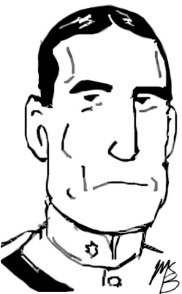
The Bankrupt

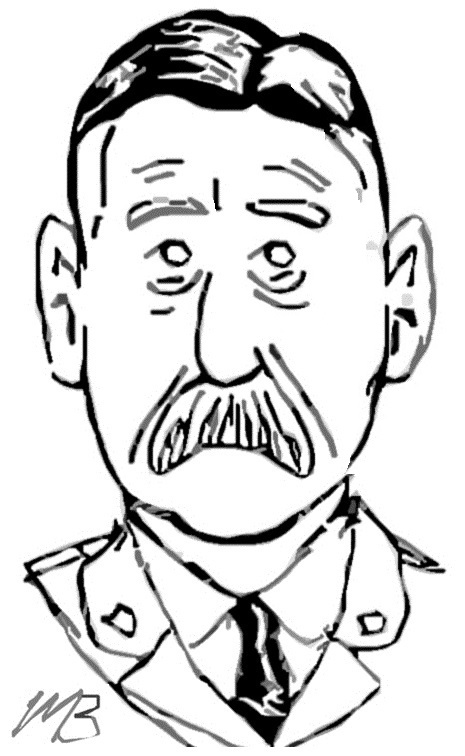
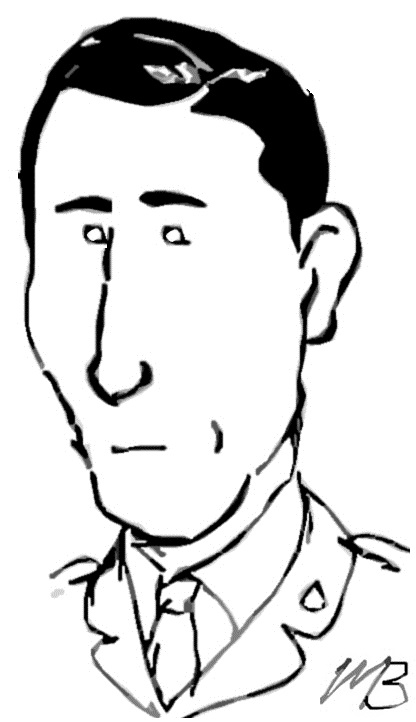
Lieutenant Colonel R. McD. Thomson †
43rd (Cameron Highlanders) BattalionsThomson_RM
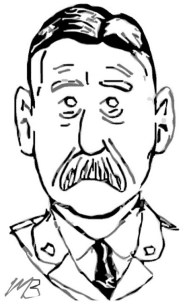
Robert McDonnell Thomson, officer commanding the 43rd Battalion, who died at Albert. France, Oct. 8 1916, as a result of wounds, and who was believed to be one of the wealthiest men in Winnipeg, died insolvent.

(Winnipeg Tribune, 28 August 1918, 1)

Born on 4 July 1869 in Hamilton, Ontario, Robert McDonnell Thomson was a veteran of the 1885 Rebellion and founder of the 78th Cameron Highlanders of Canada. Although on the reserve list at the outbreak of the Great War, Thomson raised the 43rd Battalion from Winnipeg and sailed for England in June 1915. The Cameron Highlanders deployed to France with 9th Infantry Brigade, 3rd Division in February 1916.
Continue reading

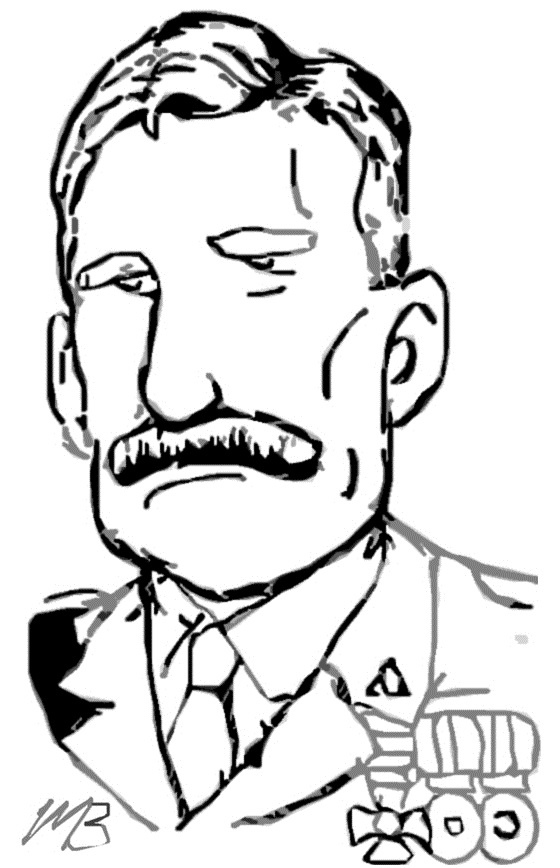
Lt. Col. D.S. MacKay

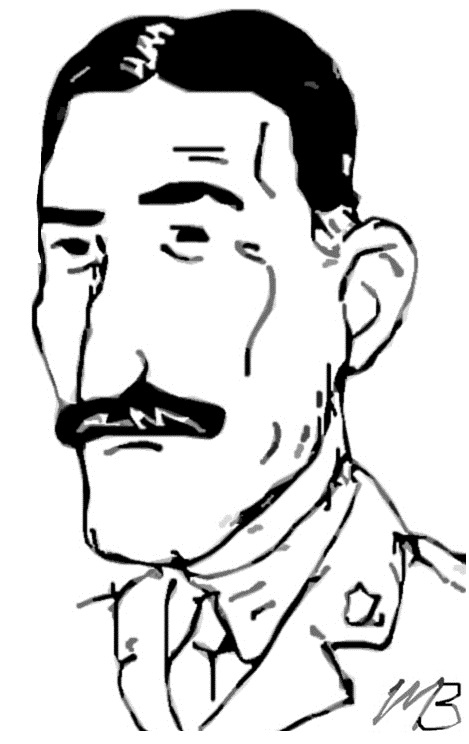
Lieutenant Colonel Dr. Daniel MacKay
196th (Western Universities) BattalionMackay_DS

The student, then, is working at high pressure and has no time for consideration of the subjects he is taught in the day. As a matter of fact he has no time to think for himself, and the consequence is that he must come out of the university more or less as a sort of stuffed fowl rather than a human being who can tackle a question and analyse it. We have found this not only with our own students but with students from elsewhere.

(MacKay, Medical Conference, 20 Dec 1924, 133)

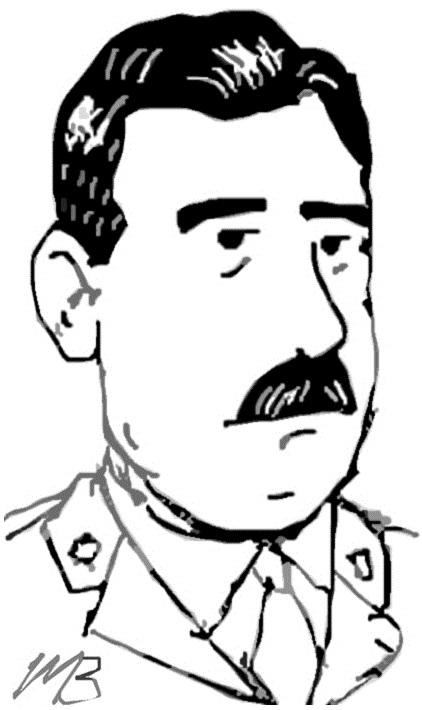
Daniel Sayre MacKay was a Manitoba physician, graduate of McGill University, officer in the Cameron Highlanders and second-in-command of Lieutenant Colonel Snider’s 27th Battalion. The son of Conservative Senator William MacKay (1847—1915), Major MacKay was born in Reserve Mines, Nova Scotia on 20 January 1878. While serving overseas with the 6th Brigade headquarters, MacKay was selected to command the 196th raised from university students in western Canada.

Continue reading

The Labour Man

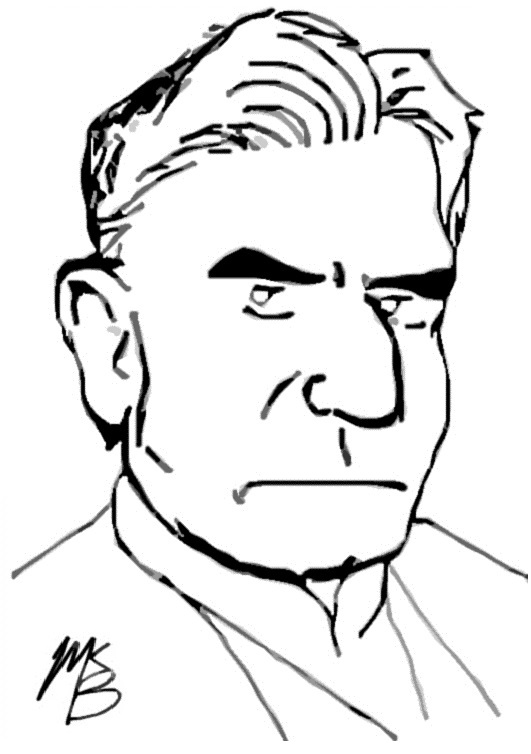
Major George W. Andrews, D.S.O.
8th (Little Black Devils) BattalionAndrews

Until a few years ago, it was believed that to maintain peace you had to prepare for war and to have big armaments. Some people believe it to-day, but millions of people know that it is a lie; millions of women know that it is a lie; millions of soldiers know that it is a lie.

(Andrews, Debates, 2 Mar 1921, 474)

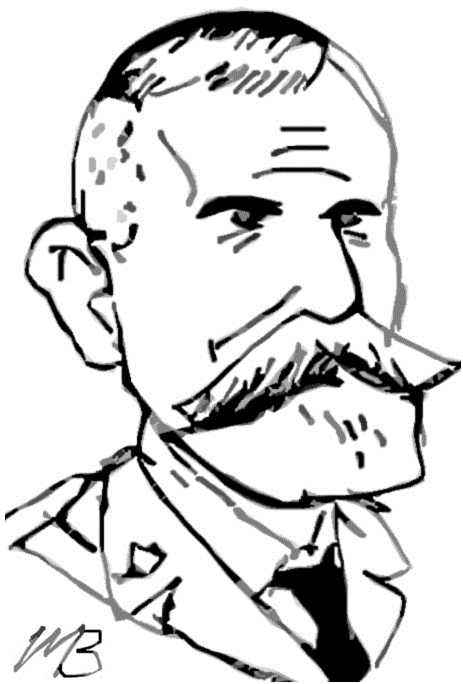
George William Andrews was born in Oxfordshire, England on 9 September 1869. He immigrated to Canada in 1890, settled in Winnipeg, worked in real estate and joined the 90th Rifles Regiment. He fought at Second Ypres with the 8th Battalion alongside his son, Captain George Frank Andrews. The elder Andrews was awarded the Distinguished Service Order for gallantry in January 1916 but was soon forced from the field due to chronic asthma. One of his soldiers remembered him as “a grand old man” but regretted, “Too bad he was so old.”

Continue reading

The Subaltern

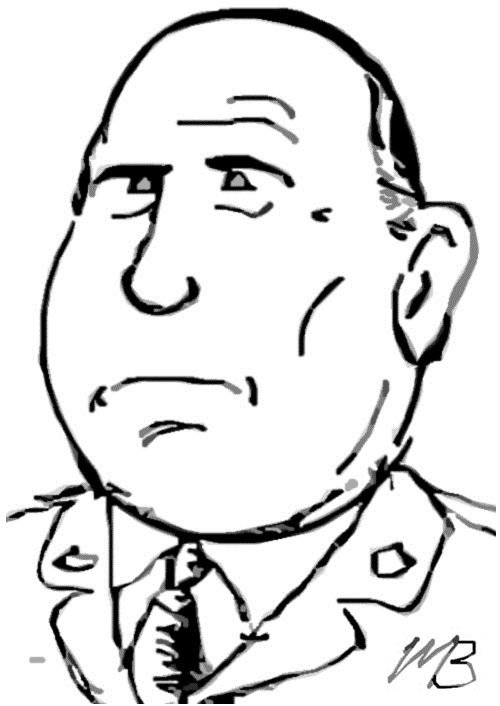
Lieutenant Colonel Frank Creighton †
1st (Western Ontario) BattalionCreighton

On arrival of the H.Q. Staff of the 8th Battalion at Lt. Col. Creighton’s dugout, a very large calibre shell completely demolished the H.Q. Dugout burying Staffs of both regiments. Lt. Col. Creighton received wounds from which he never recovered consciousness. In this the Division lost a good Officer who had done valuable work that day.

(Gen. Lipsett, 2nd Brig. War Diary, 15 June 1916, 24)

Frank Albro Legion Creighton was born on 6 February 1875 in Dartmouth, Nova Scotia. At the outbreak of the Great War, he was a civil engineer living in Winnipeg. He enlisted in the 1st Battalion as a lieutenant and was promoted to second-in-command in the field. After Lieutenant Colonel F. W. Hill took over the 9th Infantry Brigade, Creighton assumed command of the Western Ontario battalion on 24 January 1916.

Continue reading

The Judge

Lieutenant Colonel R. M. Dennistoun
53rd (Northern Saskatchewan) BattalionDennistoun

Conditions in Western Can. are disturbing. The Printers Union are demanding all that the Free Press can earn saying they will own the paper and will allow nothing for capital. The Wpg. St Ry. Employees are saying the same thing and putting another strike forward contrary to agreement. A labor Candidate in Calgary has announced he is out against the policies of the late Mr. Jesus Christ. Karl Marx is now the prophet who speaks wisdom.

(Dennistoun, Diary, 7 May 1919).

Robert Maxwell Dennistoun was a Winnipeg lawyer and King’s Counsel. Born on 24 December 1864 in Peterborough, Canada West, Dennistoun graduated from Queen’s University in 1885 and moved west in 1907. On 25 August 1914, he enlisted as a captain in the 6th Battalion. He returned to Canada in late 1914 to recruit the 53rd Battalion from Saskatchewan.

Continue reading

The Hotelman

Lieutenant Colonel “Big Nick” Nicholson
Nicholson  &
Lieutenant M. Stewart NicholsonNicholson_MS251st (Goodfellows) Battalion

Col. Nicholson said he had believed he could raise a battalion, and had offered to try to do so. He felt confident, from the results that had attended his effort, that he would succeed.

(Winnipeg Tribune, 16 Jan 1917, 7)

Popularly known as Big Nick, George Henry Nicholson was manager of the Clarington Hotel in Winnipeg. He was born in Woodburn, Canada West on 25 April 1863. He had belonged to the 13th Regiment in Hamilton before moving to Manitoba in 1909. In September 1916, Nicholson received authorization to raise the 251st Battalion.

Continue reading

The Police Chief

Lieutenant Colonel James Kirkcaldy, D.S.O.
78th (Winnipeg Grenadiers) BattalionKirkcaldy

For conspicuous gallantry and resourceful leadership. When one of his companies was held up by machine-gun fire, he took charge and overcame the opposition. Later, by aggressive fighting, he got his battalion forward, and formed a defensive flank, using a rifle himself and directing machine–gun and trench-mortar fire, and drove the enemy from their positions. His courage and fighting spirit were an inspiration to all.

(Kirkcaldy D.S.O. Citation, London Gazette, July 1918, 133)

James Kirkcaldy was born in Abdie, Scotland on 18 May 1866. After serving for over seven years in the Imperial Forces, he immigrated to Canada in 1891 and settled in Brandon, Manitoba. Shortly thereafter, the six-foot Scotsman was appointed the town’s chief of police, a post he held for the next thirteen years (1892—1905). A former member of the 12th Manitoba Dragoons and serving major with the 99th Rangers, in August 1914, Kirkcaldy enlisted in Louis Lipsett’s 8th Battalion at the rank of major.

Continue reading

The Warden

Lieutenant Colonel Royal Burritt, D.S.O.
11th (Reserves) BattalionBurritt

“I do not recommend a prison as a desirable place to gain experience. It is much better to profit from the experience of others.”—Col. Burritt

(Winnipeg Tribune, 8 June 1949, 17)

Royal Burritt was born on 1 April 1876 in Stratford, Ontario. He moved to Winnipeg in 1907, becoming a real estate agent and insurance broker. A militia officer in the 100th (Winnipeg Grenadiers) Regiment when the First Contingent of the Canadian Expeditionary Forces organized at Valcartier in August 1914, Burritt assumed command of the 11th Battalion.

Continue reading

The Boer Beater

Lieutenant Colonel P. J. Daly, D.S.O.
27th (City of Winnipeg) BattalionDaly

Mayor Davidson received a communication today from Lieut.-Col. P. J. Daly, commanding the City of Winnipeg battalion, now somewhere in France, stating that he had rounded up two more guns, making a total of six. He said he would donate them to the city, if desired. His worship promptly accepted the offer. Congratulations were sent to the officer. The guns will be placed eventually on historic spots in the city.

(Winnipeg Tribune, 9 Aug 1917, 5)

Patrick Joseph Daly took command of the 27th Battalion on 15 April 1916 following Lieutenant Colonel Irvine R. Snider’s nervous breakdown during the battle of St. Eloi. A native of Ireland, Daly had fought with the 6th Western Australian Mounted Infantry during the Boer War. He was seven times wounded in the South African campaign, nominated for a Victoria Cross and awarded the Distinguished Service Order. In one engagement, despite having both arms broken, Daly rode for a mile and captured over forty enemy prisoners.

Continue reading

The Hockeyist

Lieutenant Colonel Francis J. Murray
61st (Winnipeg) Battalion
Murray

The local soldier hockeyists completely outclassed the Saskatchewan champions in the two-game series and proved themselves worthy holders of the coveted mug.

This performance of Colonel Murray’s men is certainly remarkable, as the cup-seekers are a redoubtable squad of players but they were unable to cope with the sensational close checking and speed of the Winnipeggers. Only in the first fifteen minutes of the first game were the Westerners really in the running, as after that they were outplayed and seldom looked dangerous.

(Winnipeg Tribune, 20 Mar 1916, 10)

Born on 23 June 1876 in Portsmouth, England, Francis John Murray was a professional soldier and twenty-two year veteran of the Imperial Army. Having fought in the Boer War, Murray was appointed to raise the 61st Battalion from Winnipeg in spring 1915.

Continue reading