The Public Defender

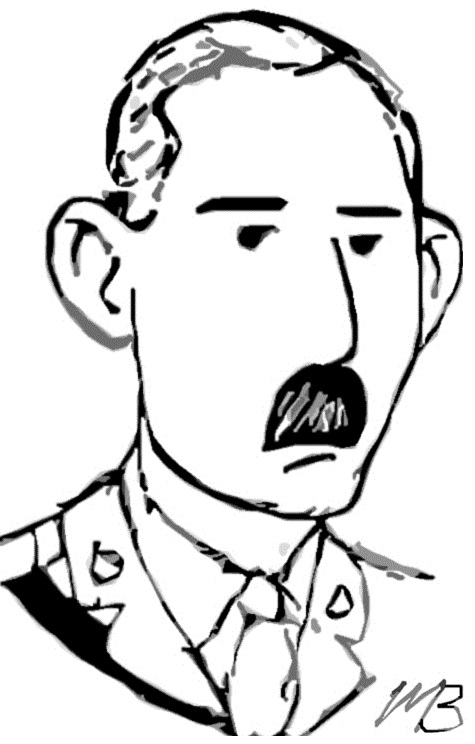
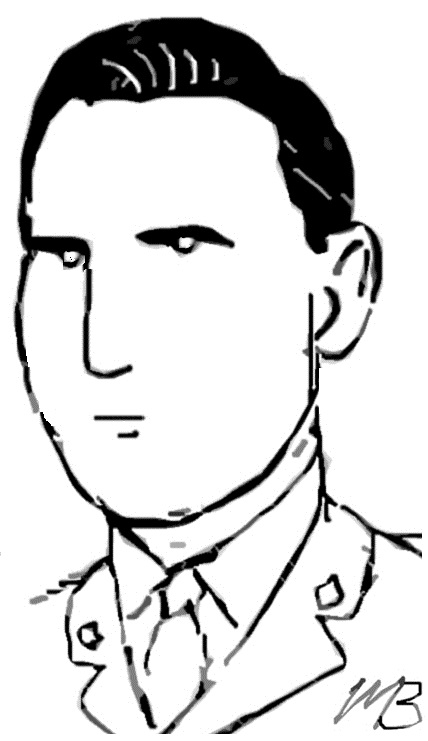
Lieutenant Colonel W. H. Hastings
250th (Polish) BattalionHastings

Col. Hastings, in an address to the recruits promised to help out any of them to the best of his ability it ever they got in trouble.

(Winnipeg Tribune, 24 Mar 1920, 1)

William Henry Hastings was a newspaperman, crown prosecutor and barrister in Winnipeg. He had been born in Peterborough, Canada West on 29 December 1858. In September 1916, he attempted to raise the 250th Battalion, supported by the local Polish-Canadian community. The Polish language newspaper in Winnipeg, Czas, lauded the creation of a special unit to fight “the traditional enemies of Poland” as “an historical event.” However, the 250th failed to reach full strength and later merged with Lieutenant Colonel C. B. Keenlyside’s 249th Battalion.

Continue reading

The Husband

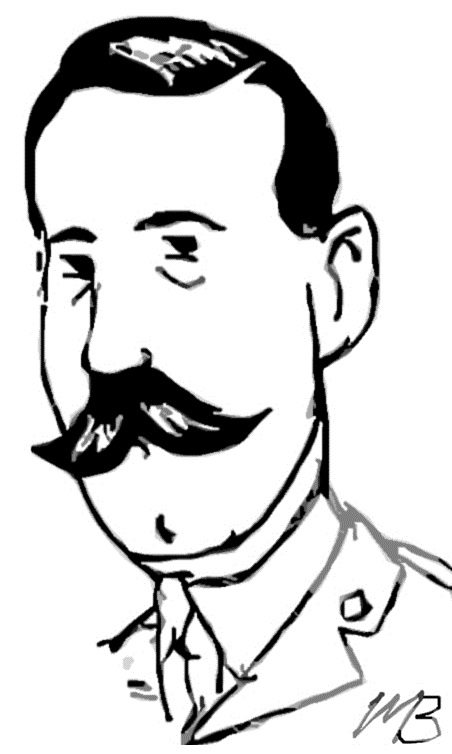
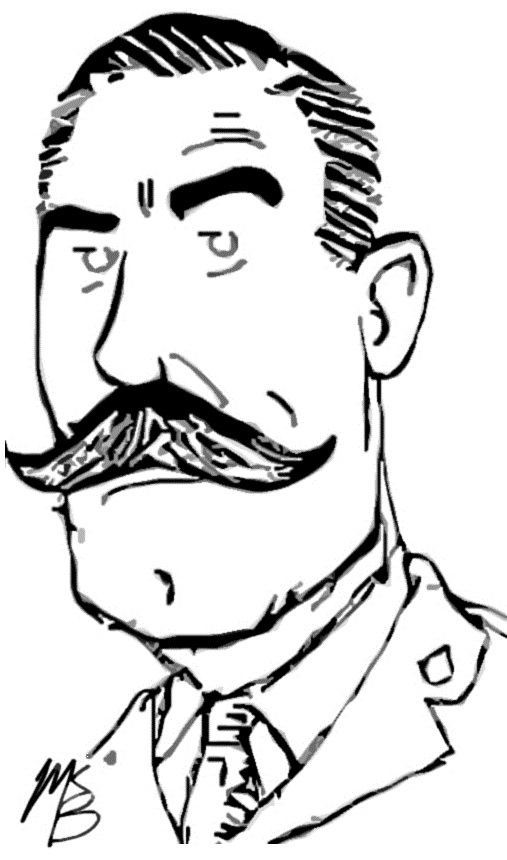
Lieutenant Colonel L. H. Millen, D.S.O.
19th (Central Ontario) BattalionMillen

There are a good many returned soldiers going about with a notion that because they have been at the war, Canada therefore owes them a living. I want to tell everyone of you that has come back here well and sound, that Canada does not owe you any living.

(Millen, Farewell address, Toronto Star, 26 May 1919, 4)

Lionel Herbert Millen replaced Lieutenant Colonel W. R. Turnbull in command of the 19th Battalion on 30 December 1916. He was born in London, England on 10 March 1876. A resident of Hamilton, he was a senior officer with the 91st Highlander Regiment, commanded by John Inglis McLaren. In November 1914, Millen enlisted as junior major with McLaren’s 19th Battalion. He married Edith Morgan Hubbell several weeks later on 7 January 1915.

Continue reading

The Architect

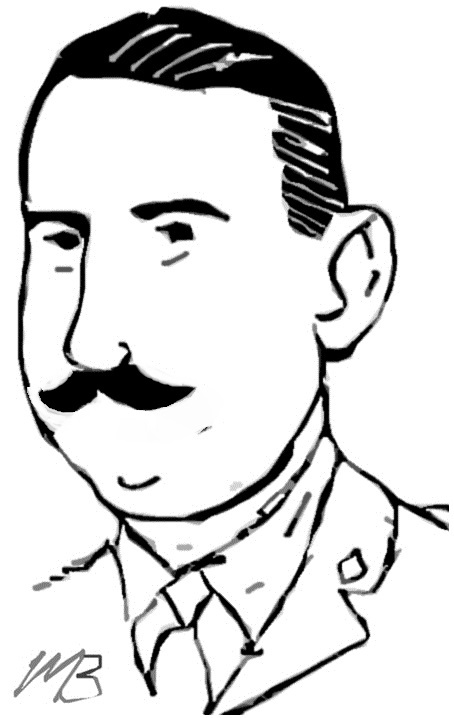
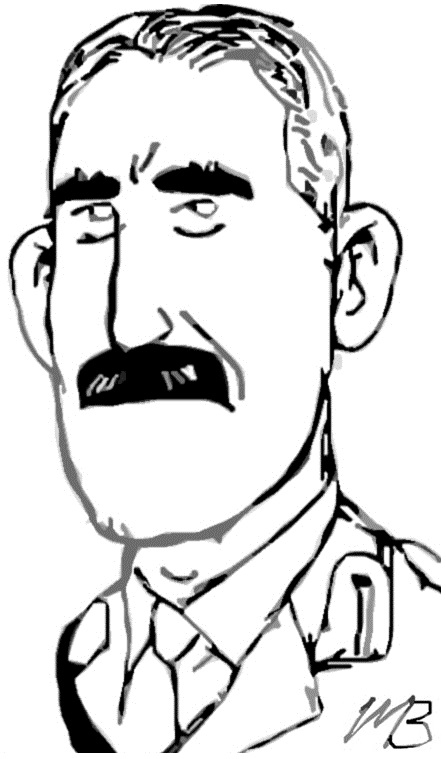
Lieutenant Colonel H. J. Rous Cullin
88th (Victoria Fusiliers) BattalionCullin

Message from Victoria Fusiliers to Victoria: Keep on recruiting. The war is only just starting, it will go another two years. Fill up the 88th again. It has only sent a brigade so far. Make it a division before the war is over. Wake up, Victoria, and, organize both soldiering and business. Never mind the dollars— get the Hun!

(Cullin’s message to Daily Colonist, 6 June 1916)

Harold Joseph Rous Cullin was a British Columbia commercial architect. Born on 5 December 1875 in Liverpool, England, he was a cadet officer, cricket player, gymnast, member of the London Rifle Brigade and officer in the Royal Engineers. He immigrated to Canada in 1904.

Continue reading

The Spy

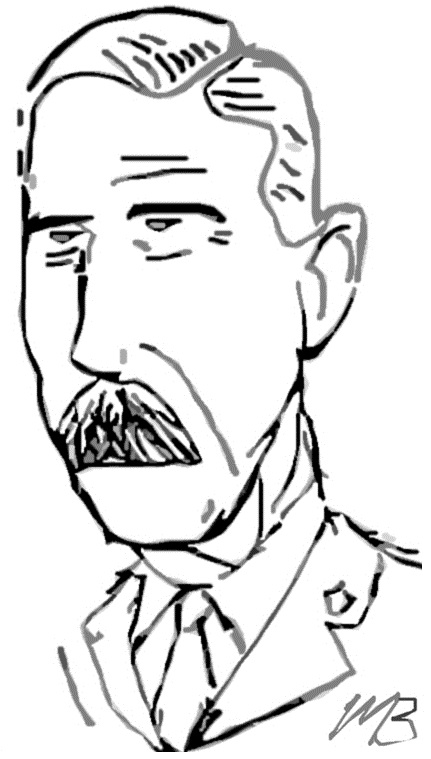
Lieutenant Colonel Rhys Davies, D.S.O.
44th (New Brunswick) BattalionDavies

Women are good as spies because men will talk to women. Men under tremendous strain and responsibility want an outlet and the finest and strongest willed of them like to boast to some woman.

(Davies, “Spies in War and Peace,” Milwaukee Sentinel, 12 Dec 1938)

Perhaps fittingly for a self-described British secret agent, much of Reginald Danbury Rhys Davies’ early life is ambiguous. He was born in England on 9 July 1882. According to one account, he was a veteran of the Boer War and member of the Special Intelligence Branch in Egypt and Sudan. Another claimed he had served in India during the Chitral Expedition and gathered intelligence while stationed on the German-Dutch at the outbreak of the Great War.

Continue reading

The Conscriptionist

Lieutenant Colonel J. A. Cooper
198th (Canadian Buffs) Battalion JACooper

We are cowards in front of a word, and that word is conscription. So far as I am concerned, I never was afraid of conscription. I am not afraid of conscription. All the men who are with me in my battalion are conscripts and they are proud of it. They are conscripts to their own consciences.

(Toronto Globe, 6 Mar 1916, 9)

John Alexander Cooper was a Toronto militia leader, press editor and original president of the Canadian Club when it was founded in 1897. He was born in Clinton, Ontario on 5 February  1868, graduated from the University of Toronto in 1892 and joined the Queen’s Own Rifles in 1896. A long-time advocate for militia and defence issues, Cooper was authorized to raise the 198th Battalion from Toronto.

Continue reading

The Benefactor

Lieutenant Colonel W. E. S. Knowles
129th (Wentworth) BattalionKnowles

If you don’t like me and do not care to serve under me, go elsewhere, but go to the front. You married men who have been waiting no longer need hold back, as your wife will now get the $20 and your hours are from 9 to 6 and you are allowed to go to your home. Last week we only got 27 men, and to-night I found only three men in this audience who are willing.

(Quoted in Hamilton Spectator, 27 March 1916, 11)

William Edward Sheridan Knowles was a barrister, former mayor of Dundas (1894—1895) and commanding officer of the 77th Regiment. He was born in Wentworth County, Canada West on 3 October 1862. In December 1915, he was authorized to raise the 129th Battalion from his home region. Reporting on reluctant volunteers, a newspaper stated Knowles, “felt compelled to use more strenuous methods. They had not yet said anything ungentlemanly to anyone, but he was going to fill the battalion and was prepared to be rude if necessary to get them.” Continue reading

The Piano Salesman

Lieutenant Colonel Milton Francis, D.S.O
47th (British Columbia) BattalionFrancis

This officer appears before the Board after one month’s extension of leave. He feels very much better and fit to return to duty. Former hospital papers and medical Board puts his disability as V.D.H. [Valvular Disease of the Heart] which is an old lesion & in the opinion of the Board was not the cause of his present breakdown, which was due to nervous overstain,

(Medical Board Report on a Disabled Officer, 1 Mar 1918)

Born in London, Ontario on 26 March 1884, Milton John Francis was manager of a Fort William music store selling pianos and gramophones. He first enlisted with the 44th (Manitoba) Battalion and transferred to the 46th as second-in-command before assuming command of the 47th just before the Vimy offensive in April 1917 .

Continue reading

The Elder

Lieutenant Colonel F. J. Clark
45th (Brandon) BattalionFJClark

In selecting Col. Clark for this purpose, a wise choice was made in Ottawa. Col. Clark has seen service In military affairs since 1885, when he fought In the 95th battalion during the Riel rebellion. In South Africa, he went through the conflict with profit to his country and honor to himself, and he wears the Long Service medal, attesting the value of his services during 31 years in his country’s duties.

(Winnipeg Tribune, 5 Feb 1915, 37)

Francis Joseph Clark had fought in the North West Rebellion and volunteered for the South African Campaign, though the war ended by the time he had reached Cape Town. He was born on 9 December 1860 in Nottingham, England, where he belonged to the Robin Hood Rifles. He immigrated to Manitoba in the 1882. Former commander of the 12th Manitoba Dragoons, Clark was authorized to raise the 45th Battalion from his home in Brandon in January 1915.

Continue reading

The Sawmiller

Lieutenant Colonel Fred Lister, M.C.
102nd (Central Ontario) BattalionLister

We started out a British Columbia unit; we return an Ontario Battalion; but I defy anyone to note the point of cleavage. Welded together by many months of common danger, East and West have fused as one…

(Lister, “Final Order,” 25 May 1919)

Born on 10 February 1879 in Wigtoft, Lincolnshire, England, Frederick Lister was a sawmill superintendent in British Columbia. He had been a policeman with the Bechuanaland Protectorate since 1896 and fought in the Matabele Rebellion and the Boer War. He immigrated to Canada in 1903. In December 1915, he enlisted with the 102nd Battalion under the command of Lieutenant Colonel J .W. Warden.

Continue reading

The Brockvillian

Lieutenant Colonel W. S. Buell
4th and 36th Battalions Buell

This officer was wounded on April 23rd near Ypres as described in A.F.A.45 of the 27th Aug’15. He now has very free movement at the shoulder, and has no pain and has considerable strength in the arm. His nervous condition, however, is not yet normal and this board recommends another month’s leave from this date.

(Proceedings of Medical Board, London, 11 Jan 1916)

Born on 11 October 1868 in Brockville, Ontario, William Senkler Buell descended from one of the oldest Loyalist families in Ontario. His ancestors had fought for the British in the American Revolution and the War of 1812. He followed his grandfather and father in politics and military affairs, becoming mayor of Brockville in 1900, president of the Liberal Association and commanding officer of the 41st Regiment in 1910. In August 1914, he helped to organize the 4th Battalion and was appointed second-in-command.

Continue reading