The Also Ran

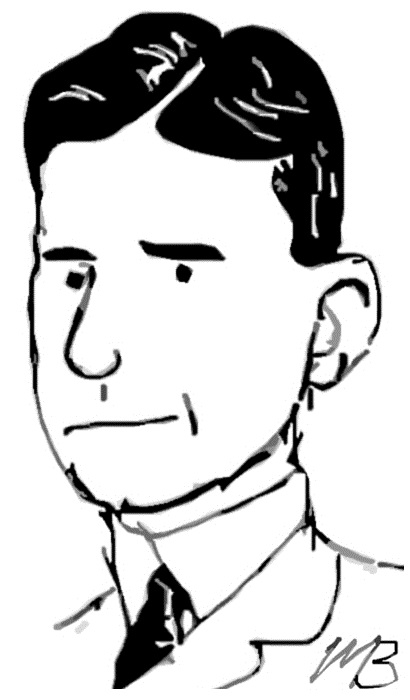
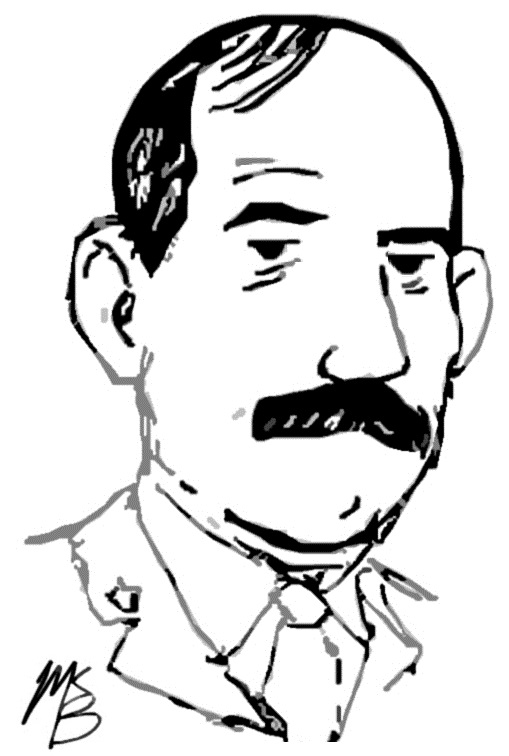
Lieutenant Colonel R. A. Carman
10th Canadian Mounted RiflesCarman
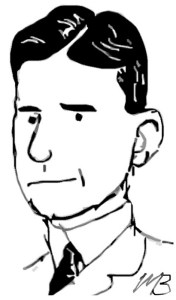
Unique in the history of a Federal election campaign in Saskatchewan, Lt – Col. R. A. Carman, an Independent, seeks the endorsation of the electorate of Regina without having held a meeting. By personal contact and the use of pamphlets Col, Carman has carried on his campaign, and he is one of the few candidates who has not delivered a radio speech.

(Lethbridge Herald, 28 Jul 1930, 16)

Russell Aubrey Carman was born in Belleville, Ontario on 22 August 1878. At the outbreak of the Great War, he was living in Saskatchewan and worked as a barrister. With twenty-one years’ experience in the 15th Regiment and the 16th Light Horse, he was authorized to organize the 10th Mounted Rifles from Regina in December 1914.
Continue reading

The Vindicator

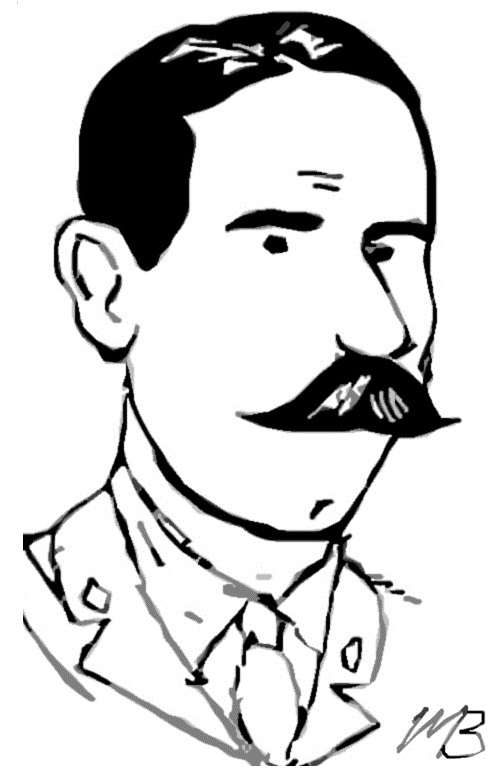
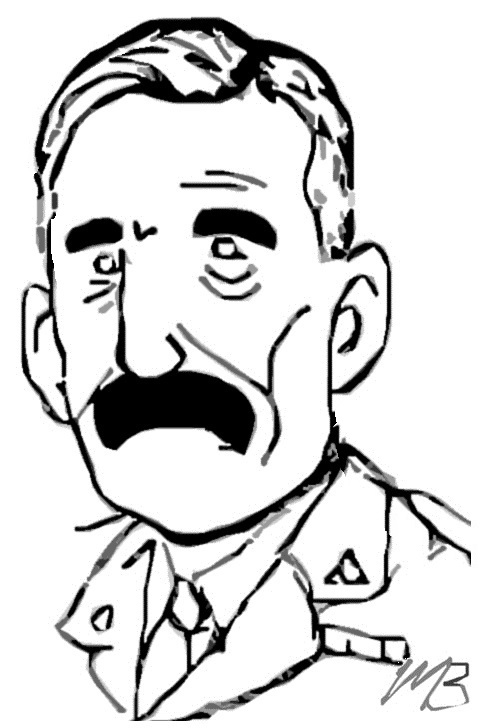
Lieutenant Colonel Fred McRobie
244th (Kitchener’s Own) BattalionMcRobie

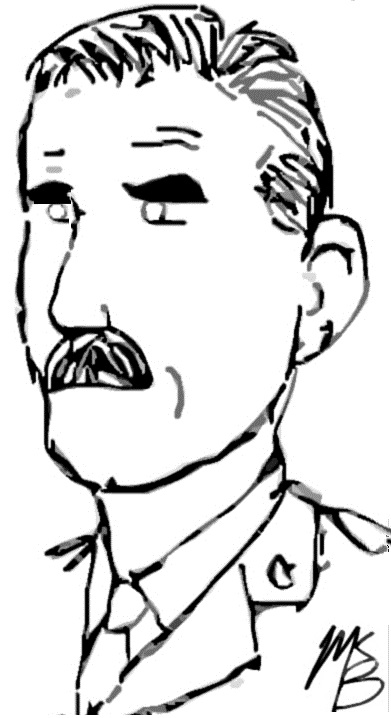
I desire to pause here to pay just tribute to the memory of that man who organized the army which will yet win victory for Britain and for the allied nations; I mean Lord Kitchener.

To his standing as a great soldier, as the virtual head of the British army at the time; to his military ability, to his indomitable will, which had been tested on so many occasions, the people of the United Kingdom and the whole Empire looked in the day of trial, and they did not look in vain.

(Robert Borden, Debates, 22 Jan 1917, 27)

On 5 June 1916, while transporting British War Minister, Field Marshal Horatio Herbert Kitchener, on a diplomatic mission to Russia, the HMS Hampshire struck a German mine near the Orkney Islands. Earl Kitchener and his staff drowned in the violent sea along with 643 crew and passengers. One day later, the 244th Battalion was authorized from Montreal under the command of Frederick Mackenzie McRobie. Sir Sam Hughes dubbed the new unit Kitchener’s Own and called on recruits to avenge the War Minister’s death.

Continue reading

The Jack-of-All-Trades

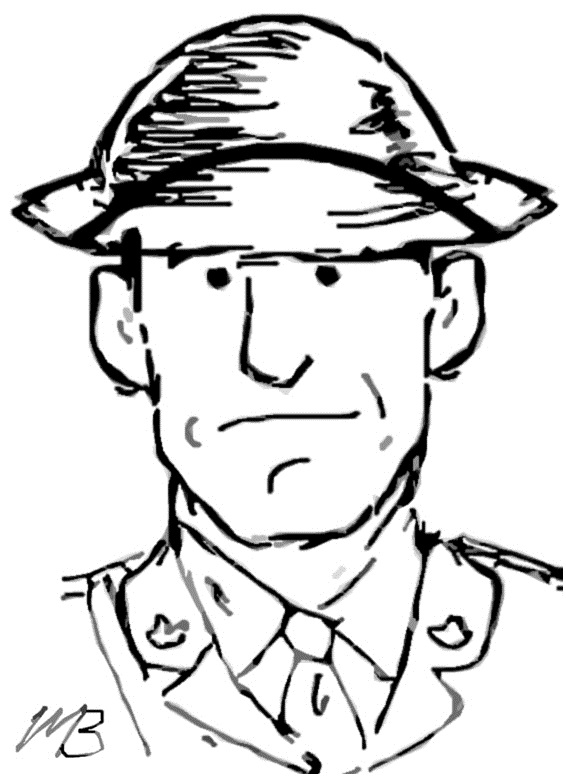
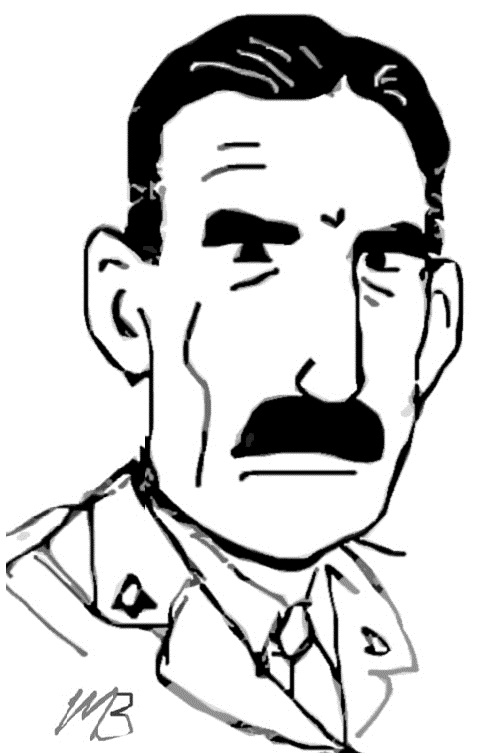
Lieutenant Colonel John G. Rattray
10th (Fighting Tenth) BattalionRattray

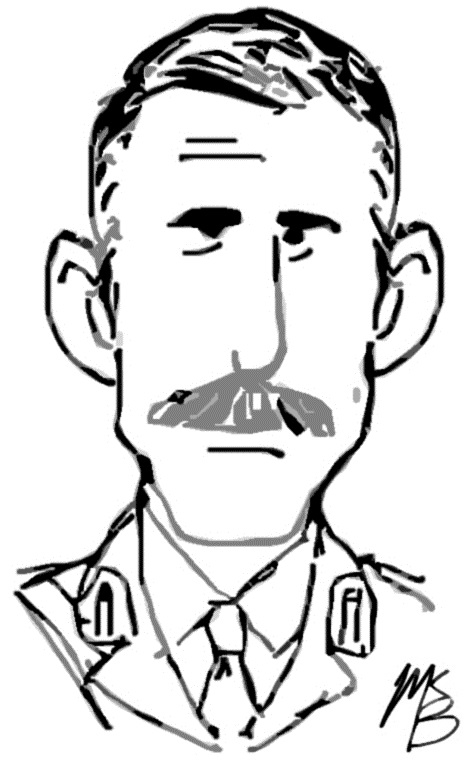
But when I find myself honored by such frenzied attacks by the Rabbi Samuel, the chief Hebrew apologist of Jewry and Jewish morals, and this attack signed by the Canadian Jewish committee (what’s in a name!) a short statement of my side of the story would appear necessary…

If it is personal attack, it is apparent in every paragraph that the Hebrews are ‘out to get Colonel Rattray.’

(Rattray to Winnipeg Free Press, 13 Jan 1922, 19)

John Grant Rattray was a schoolteacher, militia officer, hardware salesman, newspaper publisher, businessman, town reeve, insurance agent, soldier, police chief, political campaigner, civil servant, veterans’ official and sportsman. Born on 15 January 1867 in Banffshire, Scotland, he immigrated to Manitoba in the 1880s. As commanding officer of the 20th Border Horse, he organized the 10th Battalion at Valcartier when the Canadian Expeditionary Force assembled in September 1914.

Continue reading

The Kentuckian

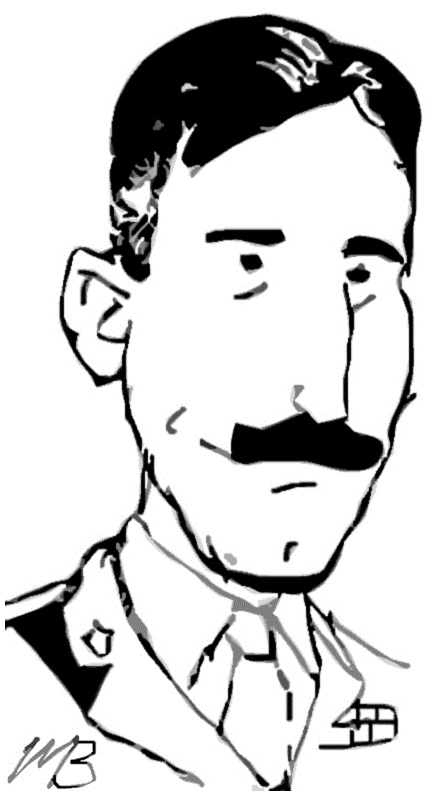
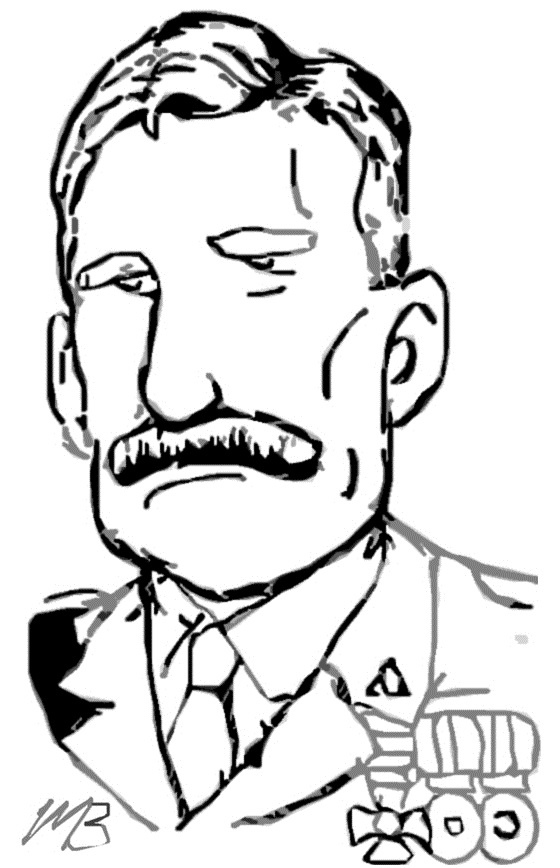
Lieutenant Colonel W. W. Stewart †
86th (Machine Gun) BattalionStewart

The cost of this tremendous war cannot be stated in terms of the Stock Exchange, for life and happiness mean infinitely more than dollars and cents.

Who can assess the value of a genial disposition, a kindly, sympathetic nature, a forceful personality, a large heart, a noble, earnest spirit?

(The Canadian Machine Gunner, June 1917, 12)

Born on 1 June 1871 in Covington, Kentucky, Walter Wilson Stewart immigrated to Canada with his family as a boy. He pursued a career in architecture, working in Hamilton and Cleveland, Ohio. In the Canadian militia, he served for two years with the 13th Regiment and twelve years with the 91st Highlanders. Beginning in 1915, he organized the 86th Battalion based in Hamilton with former 4th Battalion commander Robert H. Labatt.

Continue reading

The United Farmer

Lieutenant Colonel Doug Carmichael, D.S.O., M.C.
116th (Ontario County) BattalionCarmichael

He wears two decorations on the breast for doing things to the Germans, which, according to King’s regulations and the best methods of procedure, should have been planned by him and executed by some mere sub. But he was one of those majors and colonels, rare in any army, who actually led his men—personally led, out in front. He has many raids to his credit. He showed up well in all battles.

(Morning Leader, 18 Mar 1922, 36)

Dougall Carmichael was a Grey County farmer with ten years’ experience with the 35th Simcoe Foresters. He was born on 8 November 1885 in Collingwood, Ontario. Standing five-foot-five, he joined Lieutenant Colonel H. A. Genet’s 58th Battalion and rose to second-in-command.

Continue reading

The Defence Minister

Lieutenant Colonel G. R. Pearkes, D.S.O., M.C., V.C.
116th (Ontario County) BattalionPearkes

What kind of war must we be prepared to fight? With the introduction of nuclear weapons and the anticipated production of long-range ballistic missiles, it is obvious that the methods of waging any future war have clearly changed from those of World War II. Looking into the future is at best a risky business, but our military advisers must plan ahead, and it is their present opinion that a third world war would commence with a sudden ferocious thermonuclear attack of great intensity…

(Pearkes, Debates, 5 Dec 1957, 1900)

George Randolph Pearkes was a solider, politician, and winner of the Victoria Cross, the highest award for gallantry in the British Empire. He was born on 28 February 1888 in Watford, Hertfordshire, England and immigrated to Alberta in 1906. He joined the North West Mounted Police and fought with the 2nd and 5th Canadian Mounted Rifles. Pearkes began his military career as a private; he retired as major general.

Continue reading

The Methodist

Lieutenant Colonel Sam Sharpe, D.S.O., M.P. †
116th (Ontario County) BattalionSSharpe

But it is awful to contemplate the misery and suffering in this old world & were I to allow myself to ponder over what I have seen & what I have suffered thro the loss of the bravest & best in the world, I would soon become absolutely incapable of “Carrying on.”

(Sharpe to Muriel Hutchison, 21 Oct 1917)

Samuel Simpson Sharpe was a militia major and Conservative Member of Parliament for Ontario North (1908—1918). Born on 13 March 1873 in Zephyr, Scott Township, Ontario, he was a graduate from the University of Toronto and Osgoode Hall. During his university days, he was a champion tennis player and became a prominent solicitor in Uxbridge.

Continue reading

The Veteran

Lieutenant Colonel Dr. W. W. Nasmyth
89th (Alberta) BattalionNasmyth

Another Calgary battalion has departed on its way to do its ‘bit’ for the Empire under the command of Lieut.-Col. W. W. Nasmyth, veteran of South Africa and hero of St. Julien. And amid the cheers of thousands who crowded the depot to see them off, the 89th battalion pulled away from Calgary, en route to the battle front in Flanders.

(Strathmore Standard, 31 May 1916, 8)

Born on 5 January 1866 in Mount Forest, Canada West, William Wylie Nasmyth was a Youngstown, Alberta physician and veteran of the Boer War. In September 1914, Nasmyth and his younger brother James volunteered as officers with the 10th Battalion under Lieutenant Colonel Russ Boyle. Fighting together at St. Julien during the second battle of Ypres on 22 April 1915, the brothers found themselves surrounded by the German attackers. Dr. Nasmyth suffered a gunshot wound in the lung while his brother was killed.

Continue reading

The Best Friend

Lieutenant Colonel J. V. P. O’Donahoe, D.S.O. †
87th (Canadian Grenadier Guards) BattalionO'Donahoe

You, Officers and men of the 87th have lost a gallant leader. And I have lost a trusted and dear friend. The whole Canadian Corps has lost a tried and able soldier.

(Brig-Gen. Odlum’s eulogy, 87th Bn. War Diary, 12 May 1918, 30)

On 8 May 1917, James Vincent Patrick O’Donahoe succeeded Major H. LeR. Shaw as commander of the 87th Battalion. Born on 27 May 1881 in Brockville, Ontario, O’Donahoe had served as a major with the 60th Battalion in France. In January 1917, he assumed command of the 199th Battalion for a tour of Ireland following Harry Trihey’s controversial resignation.

Continue reading

The Police Chief

Lieutenant Colonel James Kirkcaldy, D.S.O.
78th (Winnipeg Grenadiers) BattalionKirkcaldy

For conspicuous gallantry and resourceful leadership. When one of his companies was held up by machine-gun fire, he took charge and overcame the opposition. Later, by aggressive fighting, he got his battalion forward, and formed a defensive flank, using a rifle himself and directing machine–gun and trench-mortar fire, and drove the enemy from their positions. His courage and fighting spirit were an inspiration to all.

(Kirkcaldy D.S.O. Citation, London Gazette, July 1918, 133)

James Kirkcaldy was born in Abdie, Scotland on 18 May 1866. After serving for over seven years in the Imperial Forces, he immigrated to Canada in 1891 and settled in Brandon, Manitoba. Shortly thereafter, the six-foot Scotsman was appointed the town’s chief of police, a post he held for the next thirteen years (1892—1905). A former member of the 12th Manitoba Dragoons and serving major with the 99th Rangers, in August 1914, Kirkcaldy enlisted in Louis Lipsett’s 8th Battalion at the rank of major.

Continue reading