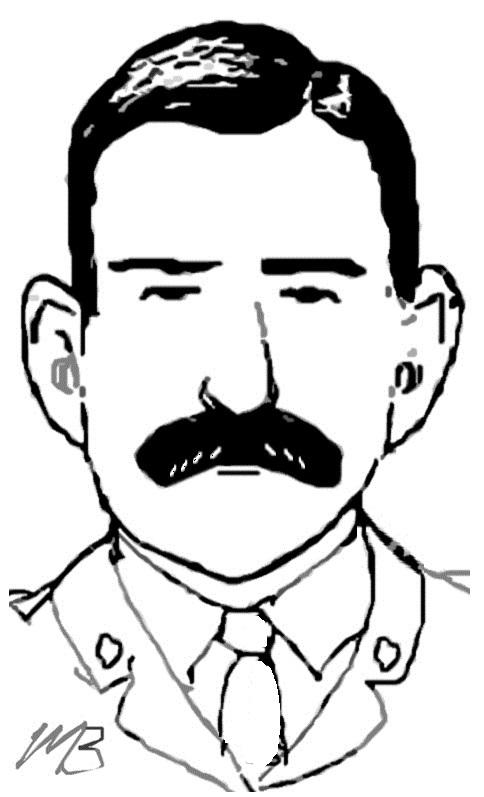
The Leader

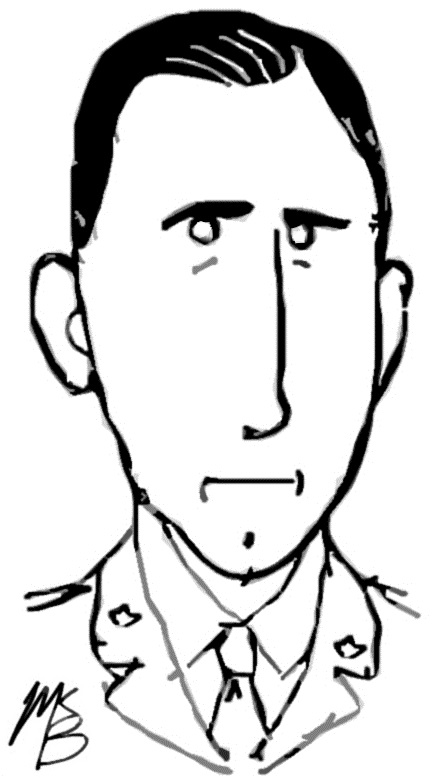
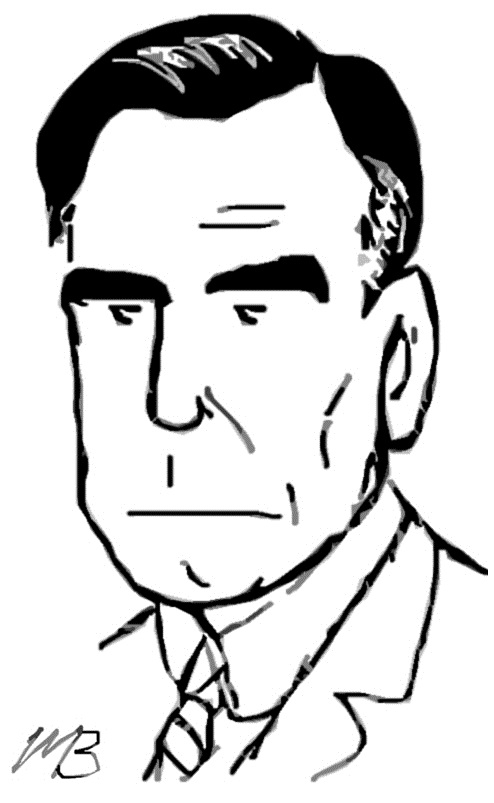
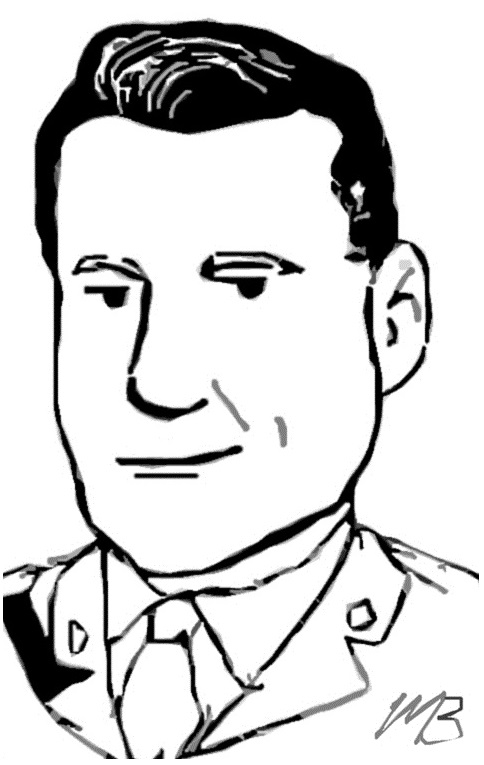
Major James A. De Lancey, M.C. †
25th (Nova Scotia Rifles) BattalionDeLancey
Previously reported Missing, believed Killed, now Killed in Action. While leading his Battalion in the attack on Vimy Ridge and just as he reached the enemy second line, he was instantly killed by a bullet through the head.

(Circumstances of Death, 9 Apr 1917)

A civil engineer and graduate of McGill University, James Arnold DeLancey was born in Middleton, Nova Scotia on 15 July 1880. He originally enlisted in A. G. Vincent’s 40th Battalion before joining the 25th as adjutant. In the absence of Lieutenant Colonel D. S. Bauld, command fell to DeLancey to led the battalion over the top at Vimy Ridge.
Continue reading

The Physician

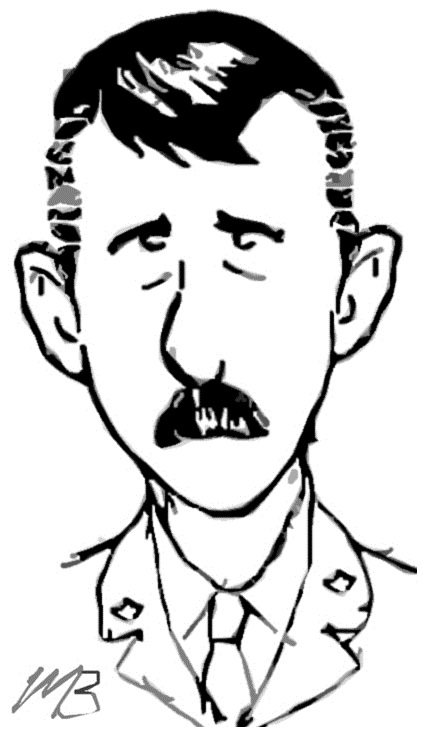
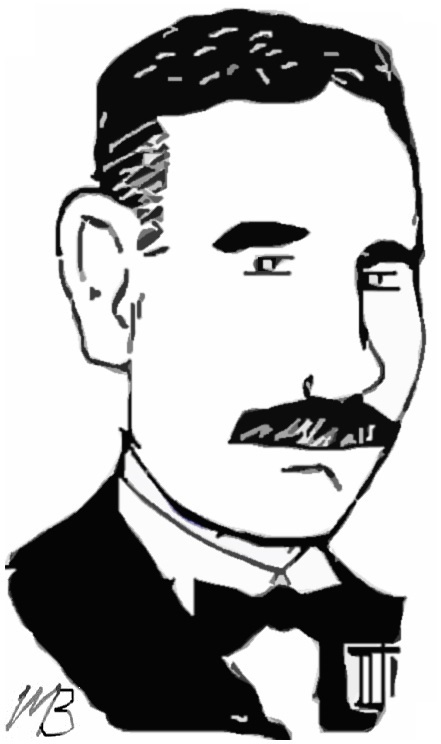
Lieutenant Colonel Dr. George Clingan, M.L.A.
79th (Manitoba) BattalionClingan

Col. Clingan made an eloquent appeal for recruits, “Don’t let your children-to-be say in the after years, ‘My daddy was too cowardly to fight in the big war.’”

(Winnipeg Tribune, 11 Mar 1916, 12)

George Clingan was a doctor and Liberal member for Virden in the Manitoba legislature between 1914 and 1922. He was born on 28 March 1868 in Orangeville, Ontario and graduated from the Toronto Medical College. After moving his medical practice to Manitoba, he joined the 12th Dragoons in 1898, rising to the rank of major. He recruited the 79th Battalion from Brandon and sailed to England in April 1916.

Continue reading

The Sure Shot

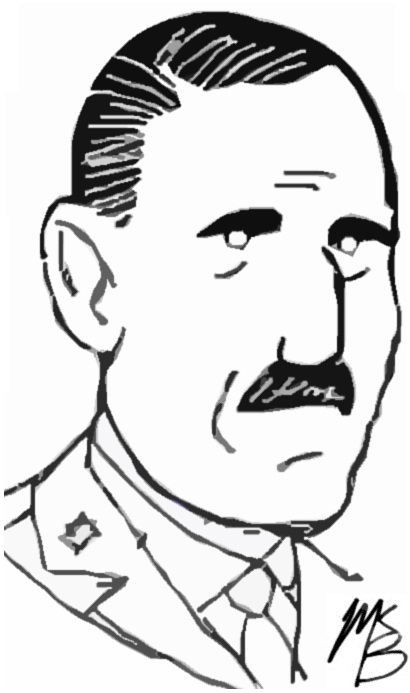
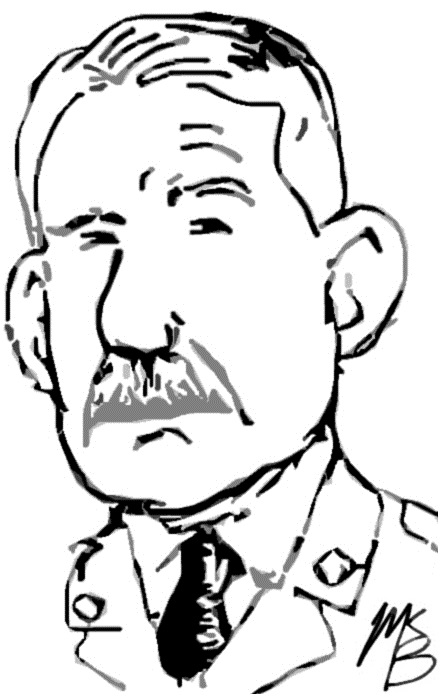
Lieutenant Colonel Archie Hay †
52nd (New Ontario) BattalionHay

It is with the deepest regret that the Battalion chronicles the disappearance of its Colonel, Lieut. Col. Hay, on this date.

(52nd Bn. War Diary, 3 June 1916, 7)

Born on 8 November 1873 in Quebec City, Archibald Walter Hay was a militia officer with the 8th Royal Rifles and noted marksman. During the 1912 Governor General’s prize shooting match organized by the Dominion Rifle association, Hay scored twenty-one consecutive bullseyes.

Continue reading

The Kiltie

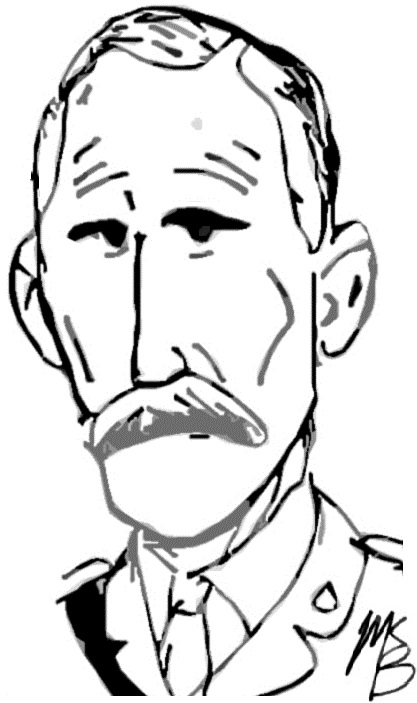
Lieutenant Colonel W. L. McGregor
241st (Canadian Scottish Borderers) BattalionMcGregor

Your colonel is peculiarly fitted by temperament, training and tradition
to lead a “kilted” battalion to victory. In his veins there flows the blood of that ancient clan whose proud boast it was “that despite their enemies, the McGregors should flourish forever.” In him we have combined the indomitable spirit of the Scottish Highlander, the bulldog tenacity of the English, and the resourcefulness and initiative of the Canadian. He will lead you to victory. Stand by him like a “stone wall” in the days to come.

(W. T. Gregory, “Farewell to the Kilties,” 1917, 10)

The son of Liberal MP and prominent businessman William McGregor (1836—1903), Walter Leishman McGregor was born 30 April 1875 in Windsor, Ontario. In 1904, Walter had supported his older brother Gordon (1873—1922) in forming a partnership with Henry Ford and creating the Ford Motor Company of Canada.

Continue reading

The Unsinkable

Major Charles A. Low
146th (Frontenac County) BattalionLow

Everybody aboard was preparing to leave the ship and glad that the journey was over, as the constant rumors of submarines and the nervous strain which is associated with same is not conductive to comfortable feelings.

At exactly 10.51, while in my cabin, the ship was hit on the starboard side, at the after well deck, close to the engine rooms. I was thrown across the cabin; there was no mistaking what had happened…

(Low to Kemp, 27 Mar 1918)

A native of Kingston, Ontario, Charles Adamson Low was born on 26 November 1874. A fourteen-year member of the 14th Princess of Wales’ Own Rifles, Low enlisted as junior major in Lieutenant Colonel W. G. Ketcheson’s 80th Battalion. In November 1915, he was authorized to raise the 146th Battalion from Frontenac County.

Continue reading

The Public Defender

Lieutenant Colonel W. H. Hastings
250th (Polish) BattalionHastings

Col. Hastings, in an address to the recruits promised to help out any of them to the best of his ability it ever they got in trouble.

(Winnipeg Tribune, 24 Mar 1920, 1)

William Henry Hastings was a newspaperman, crown prosecutor and barrister in Winnipeg. He had been born in Peterborough, Canada West on 29 December 1858. In September 1916, he attempted to raise the 250th Battalion, supported by the local Polish-Canadian community. The Polish language newspaper in Winnipeg, Czas, lauded the creation of a special unit to fight “the traditional enemies of Poland” as “an historical event.” However, the 250th failed to reach full strength and later merged with Lieutenant Colonel C. B. Keenlyside’s 249th Battalion.

Continue reading

The Husband

Lieutenant Colonel L. H. Millen, D.S.O.
19th (Central Ontario) BattalionMillen

There are a good many returned soldiers going about with a notion that because they have been at the war, Canada therefore owes them a living. I want to tell everyone of you that has come back here well and sound, that Canada does not owe you any living.

(Millen, Farewell address, Toronto Star, 26 May 1919, 4)

Lionel Herbert Millen replaced Lieutenant Colonel W. R. Turnbull in command of the 19th Battalion on 30 December 1916. He was born in London, England on 10 March 1876. A resident of Hamilton, he was a senior officer with the 91st Highlander Regiment, commanded by John Inglis McLaren. In November 1914, Millen enlisted as junior major with McLaren’s 19th Battalion. He married Edith Morgan Hubbell several weeks later on 7 January 1915.

Continue reading

The Architect

Lieutenant Colonel H. J. Rous Cullin
88th (Victoria Fusiliers) BattalionCullin

Message from Victoria Fusiliers to Victoria: Keep on recruiting. The war is only just starting, it will go another two years. Fill up the 88th again. It has only sent a brigade so far. Make it a division before the war is over. Wake up, Victoria, and, organize both soldiering and business. Never mind the dollars— get the Hun!

(Cullin’s message to Daily Colonist, 6 June 1916)

Harold Joseph Rous Cullin was a British Columbia commercial architect. Born on 5 December 1875 in Liverpool, England, he was a cadet officer, cricket player, gymnast, member of the London Rifle Brigade and officer in the Royal Engineers. He immigrated to Canada in 1904.

Continue reading

The Spy

Lieutenant Colonel Rhys Davies, D.S.O.
44th (New Brunswick) BattalionDavies

Women are good as spies because men will talk to women. Men under tremendous strain and responsibility want an outlet and the finest and strongest willed of them like to boast to some woman.

(Davies, “Spies in War and Peace,” Milwaukee Sentinel, 12 Dec 1938)

Perhaps fittingly for a self-described British secret agent, much of Reginald Danbury Rhys Davies’ early life is ambiguous. He was born in England on 9 July 1882. According to one account, he was a veteran of the Boer War and member of the Special Intelligence Branch in Egypt and Sudan. Another claimed he had served in India during the Chitral Expedition and gathered intelligence while stationed on the German-Dutch at the outbreak of the Great War.

Continue reading

The Conscriptionist

Lieutenant Colonel J. A. Cooper
198th (Canadian Buffs) Battalion JACooper

We are cowards in front of a word, and that word is conscription. So far as I am concerned, I never was afraid of conscription. I am not afraid of conscription. All the men who are with me in my battalion are conscripts and they are proud of it. They are conscripts to their own consciences.

(Toronto Globe, 6 Mar 1916, 9)

John Alexander Cooper was a Toronto militia leader, press editor and original president of the Canadian Club when it was founded in 1897. He was born in Clinton, Ontario on 5 February  1868, graduated from the University of Toronto in 1892 and joined the Queen’s Own Rifles in 1896. A long-time advocate for militia and defence issues, Cooper was authorized to raise the 198th Battalion from Toronto.

Continue reading