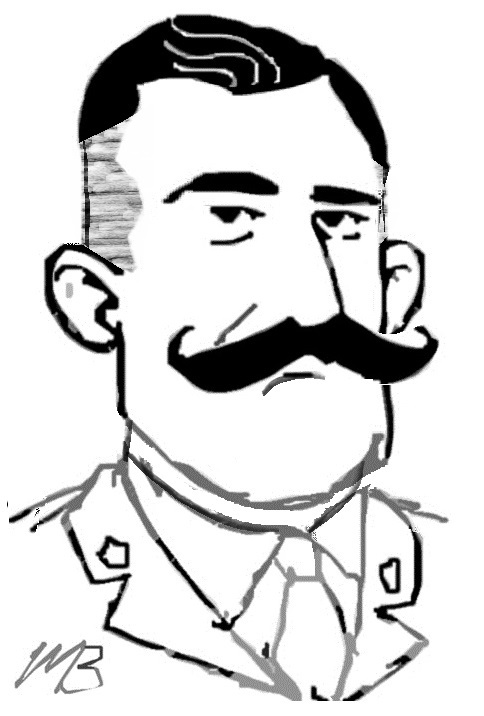
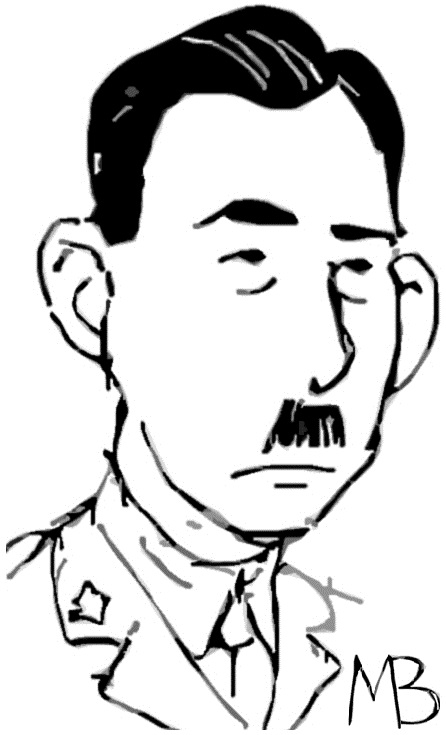
Lt. Col. Dawson

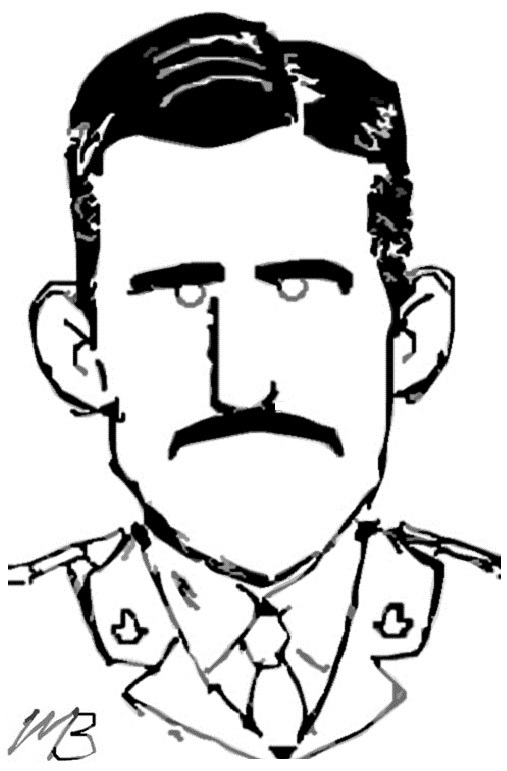
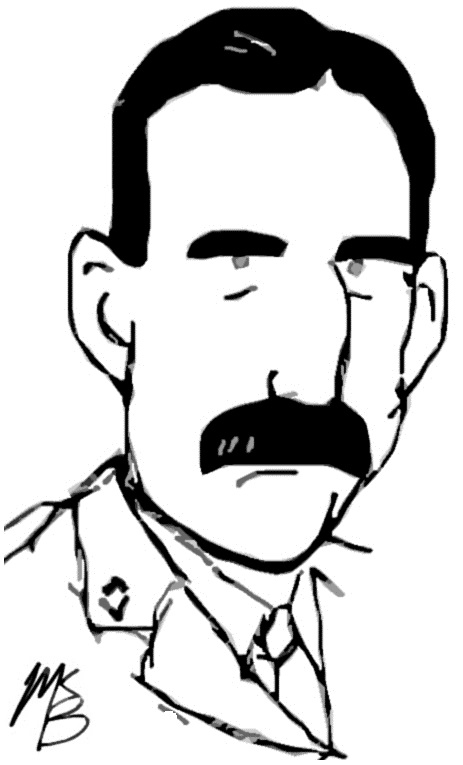
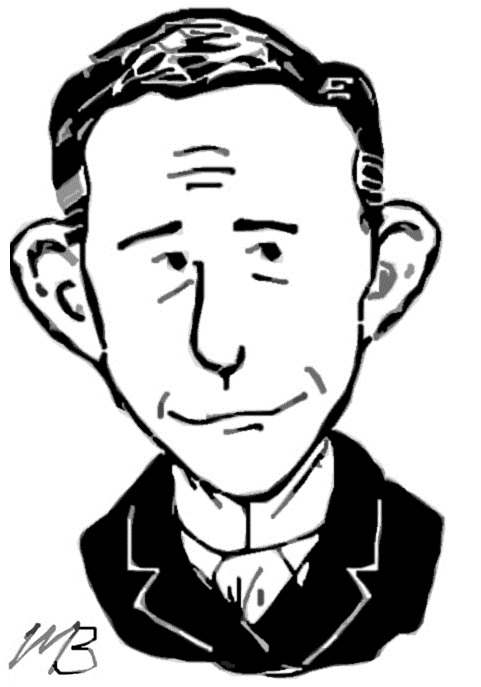
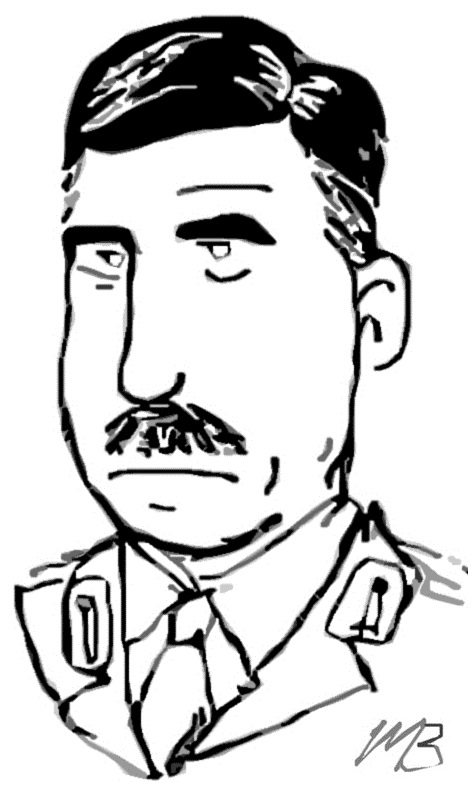
Lieutenant Colonel H. J. Dawson, D.S.O.
59th (Eastern Ontario) & 46th (South Saskatchewan) BattalionsDawson
During the recent fighting Lieut.-Colonel Dawson gave out and was sent down to the Hospital. I think he has gone on down the line and, as the strenuous fighting is likely to continue for some time, I would like very much to have another man in command of the Battalion and give Dawson a good chance to rest. He has been recommended as an Officer fit to command a Brigade in the Field, and is one of the best Commanding Officers I have. He has been hard at it now since the Fourth Division came to France.

(Gen. Arthur Currie, 17 Aug 1918)

Born in Birkenhead, England on 21 November 1876, Herbert John Dawson was an associate professor at the Royal Military College and militia officer with the 14th (The Princess of Wales’ Own Rifles) Regiment since 1901. He was appointed lieutenant colonel in May 1915 when he began to organize the 59th Battalion from Eastern Ontario and Hull, Quebec.

Continue reading

The Voter

Lieutenant Colonel Joseph Glenn
96th (Canadian Highlanders) Battalion

Col. Glenn’s record in the House has been excellent. A quiet man, and not to be considered in any sense one of the orators of the House, he has nevertheless contributed not a little to its progressive spirit …

Col. Glenn is overseas now. He took over a fine battalion of men. When he found that he was unable to get into the trenches in the capacity of a commanding officer he managed somehow to revert to the rank of Lieutenant and as lieutenant he is in the trenches today. How he managed it will remain probably a military secret. He is not a young man by any means but he is doing his duty in a way that shames many a young man in Canada.

(Saskatoon Daily Star, 20 Jun 1917, 4)

Joseph Glenn was the Conservative member for South Qu’Appelle in the Saskatchewan legislature from 1912 to 1921. Born on 29 August 1860 in Owen Sound, Canada West, he moved to the North West Territories during the early 1880s. Settling in Indian Head, he built a farm, imported horses, worked in the lumber trade, acted as the local mail carrier and operated a grain elevator. During the 1885 Rebellion, he volunteered as a dispatch rider for General Middleton and Major Sam Steele.

Continue reading

The Vilified

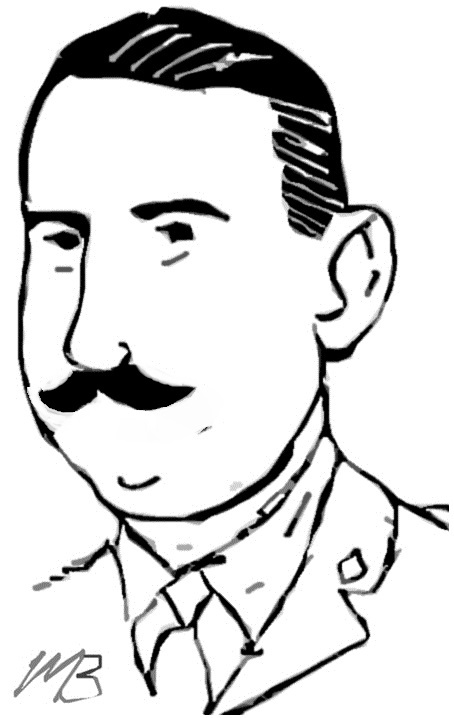
Lieutenant Colonel W. E. Seaborn
210th (Frontiersmen) BattalionSeaborn

While from the nature of the case the fact is difficult to prove, this man Seaborn is also by common reputation at Camp Hughes, and even among the Headquarters Staff at Camp Hughes, known to be a sexual pervert (Sadist), which in itself constitutes every reason why he should not be permitted to retain an important military appointment and remain in command of men.

(Maj. Erskine-Tulloch to Borden 26 Dec 1916)

Born on 25 January 1880 in London, Ontario, Walter Ernest Seaborn was a Saskatchewan barrister and insurance broker. He also had the distinction of owning the first automobile in Moose Jaw in 1906. He originally enlisted with Lieutenant Colonel Francis Pawlett’s 128th Battalion before transferring to command the 210th in March 1916.

Continue reading

The Pawn

Major J. H. Sills
44th (South Saskatchewan) BattalionSills

The Officer Commanding the 44th Battalion who was in England undergoing treatment for a damaged shoulder and his Second-in-command had each been adversely reported on by me, and I had placed Major Sills, a Graduate of the Royal Military College, Canada and who had 16 months experience in France and whom I knew to be a most efficient Officer and capable business man in Command of the Battalion.

(Gen. W. Hughes to Gen. Turner, 20 Mar 1917)

John Hamilton Sills was a civil engineer, militiaman and graduate of the Royal Military College. A descendant of United Empire Loyalists he was born in Frankford, Ontario on 1 May 1882. Sills enlisted with William St. Pierre Hughes’ 21st Battalion in April 1915 and was promoted to July in August 1916.

Continue reading

The Co-operator

Lieutenant Colonel H.D. Pickett
229th (South Saskatchewan) Battalion

I had our farewell address from Col. Pickett and our lecture from our new Colonel Colonel McKay. He seems a pretty good head too. There was no love lost on Colonel Pickett.

(W. M. Dennis, 229th Bn. to fiancé, 20 May 1917)

A descendant of a United Empire Loyalist family, Henry Davidson Pickett was born on 6 December 1876 in Kingston, New Brunswick. In 1903, shortly after graduating with a law degree from the University of King’s College, Pickett moved in the Northwest Territories, where he established a legal practice at Moose Jaw. While a student in the Maritimes he had belonged to 8th Canadian Hussars (Princess Louise’s) and the 62nd (St. John) Fusiliers. After arriving in western Canada, he joined the 95th Saskatchewan Rifles, rising to the rank of major. In March 1916, he was appointed commanding officer of the 229th Battalion from the south of the province.

Continue reading

The Surveyor

Lieutenant Colonel Albert C. Garner, D.S.O.
195th (City of Regina) BattalionGarner

The military record of Colonel Garner is a long and gallant one. During the Boer war he served as special scout in Lord Strathcona’s Horse in
1900 and 1901 and was severely wounded. He was honored by “special
mention in dispatches” in the London Gazette, February, 1901, and was
awarded the Queen’s medal and four clasps, the medal being presented
by His Majesty the King, Edward VII, on the 10th of February, 1901.

(Saskatchewan and its People, 1924)

Born on 6 September 1878 in Warwickshire England, Albert Coleman Garner immigrated to Canada with his family in 1888. He fought with Lord Strathcona’s Horse during the Boer War. After returning from South Africa, he joined the 16th Light Horse and the elite Corps of Guides. Before the First World War, he was a land surveyor and civil engineer in Saskatchewan.

Continue reading

The Preacher

Lieutenant Colonel C. B. Keenleyside
249th (Saskatchewan) BattalionKeenleyside

The plain fact is we shall live forever. Please lay down these pages and think of that: We shall live forever.

And the life yonder beyond the tomb will depend upon our life here. This gives the rushing moments dignity and importance. In a brief tale of fourscore years, or half, or quarter of that number, we fix forever our destiny.

(C. B. Keenleyside, What is Your Life? 1906, 23)

Clifford Benjamin Keenleyside was a real estate financier and Methodist missionary. Born in London, Canada West on 9 December 1865, Keenleyside moved west as a young man and settled in Winnipeg. He established himself in the newspaper business and real estate market before moving to Regina where he became a city alderman. He connected his business interests and political philosophy with Christian values by spreading the word of God.

Continue reading

The Liaison

Brigadier General John Embury
28th (Northwest) BattalionEmburyJFL

Words can but inadequately express our feelings. Your personality at work or at play was an inspiration to all ranks, your personal disregard of danger, your sympathy with the wounded, and your human understating of our frailties will always dwell in our memories.

(Illuminated address to Embury from 28th Bn. Officers, 1920)

John Fletcher Leopold Embury was a Regina lawyer and commanding officer of the 95th Saskatchewan Rifles. Born on 10 November 1875 in Hastings County, Ontario, he was a graduate of the University of Toronto and Osgoode Hall. In late 1914, Embury was authorized to form the 28th Battalion from the Northwest. The battalion’s official history declared, “No better choice could have been made. The colonel was a man’s man and won the confidence of all ranks…”

Continue reading

The Pioneer

Lieutenant Colonel A. B. Gillis
217th (Qu’Appelle) BattalionGillis

I was going to suggest that there be a public holiday for voting. We should leave the holy day alone. I imagine that if we went from one end of Canada to the other we should find that the bulk of the people are opposed to the idea of Sunday voting. In Germany they vote on Sunday, but we are not bound to follow Germany in this or any other respect.

(Gillis, Senate Debates, 11 Apr 1933, 421)

Born on 28 January 1864 in Whycocomagh, Nova Scotia, Archibald Beaton Gillis was an early settler, farmer and merchant in the Northwest Territories during the 1880s. In 1894, he was elected Conservative representative in the Northwest Territories legislature. He was speaker of the assembly from 1902 until the creation of the province of Saskatchewan in 1905. He remained a member of the Saskatchewan legislature as a Provincial Rights Party member for Whitewood until his defeat in the 1912 election.

Continue reading

Lt. Col. A.W. Sparling

Lieutenant Colonel Albert Sparling, D.S.O.
1st (Western Ontario) BattalionSparlingA

This officer was the only surviving Lt.-Colonel, all other senior field officers having become casualties. He was twice ordered to deal with serious situations on the brigade front, first, in the case of an enemy counter-attack, and a few days later when there was some confusion and loss of direction of our troops.

(Sparling, D.S.O. Bar, London Gazette, 1 Feb 1919, 1600)

Albert Walter Sparling was a Saskatchewan farmer born in Pilot Mount, Manitoba on 12 July 1891. He enlisted in Russell Boyle’s 10th Battalion and earned a promotion to the rank of major in the field. After George C. Hodson was sacked, Sparling assumed command of the 1st Battalion on 17 August 1917 during the battle of Hill 70. Shortly thereafter he was awarded a Distinguished Service Order for conspicuous gallantry.

Continue reading