The Heavyweight Champ

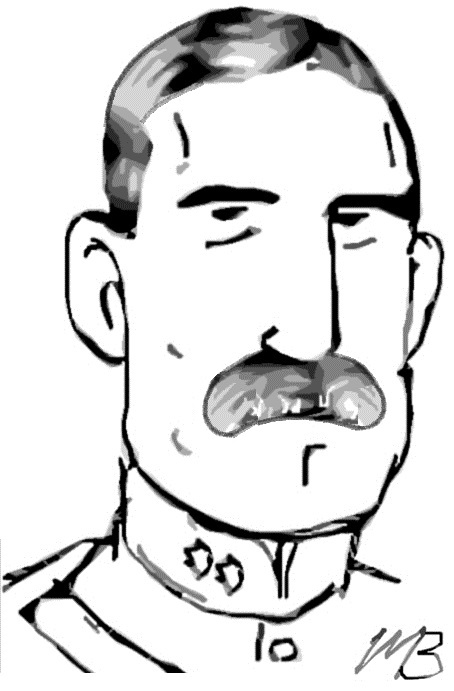
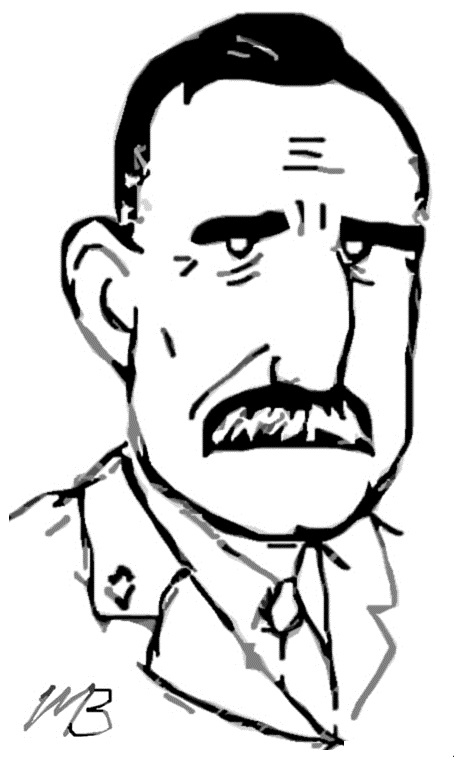
Lieutenant Colonel Ernest S. Wigle
18th (Western Ontario) BattalionWigle
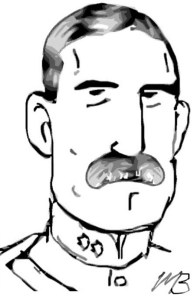
Mayor E. S. Wigle today had more than his 78th birthday to celebrate. He could also boost of a one-punch knockout…

Mayor Wigle, 220 pounds of brawn on a still-athletic frame, felled his former pupil with a straight right to the face as they mixed after a few minutes of exhibition sparring. When he came to the admiring Campbell declared “There isn’t a man in the house could have withstood that wallop.”

(Ottawa Citizen, 9 Dec 1937, 2)

Ernest Solomon Wigle was a prominent Ontario lawyer and former mayor of Windsor (1905—1909). He was born on 5 March 1859 in Essex County, Canada West. The six-foot Wigle was active in football and cricket but his sporting speciality was boxing. In 1884, he won the intercollegiate heavyweight championship and was undefeated as the Essex County championship.

Continue reading

The Double Colonels

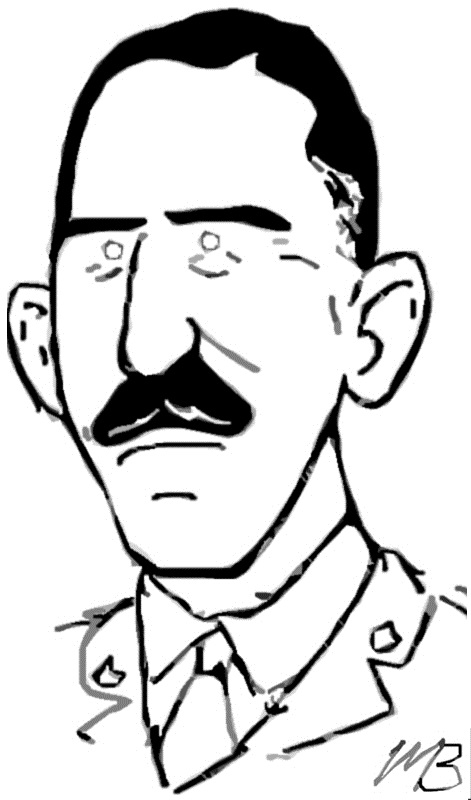
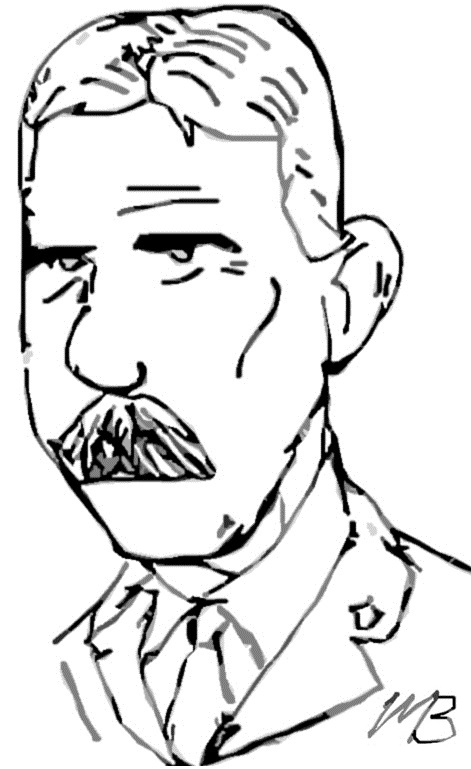
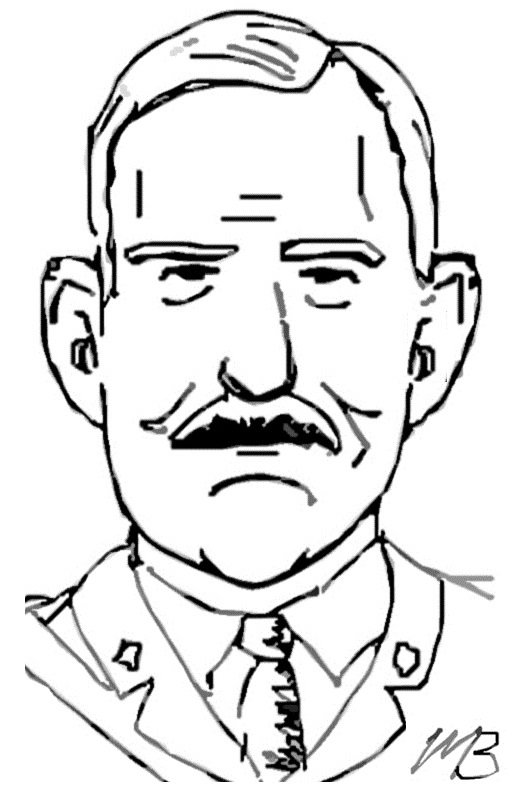
Lieutenant Colonel A. J. Oliver

Oliver
&
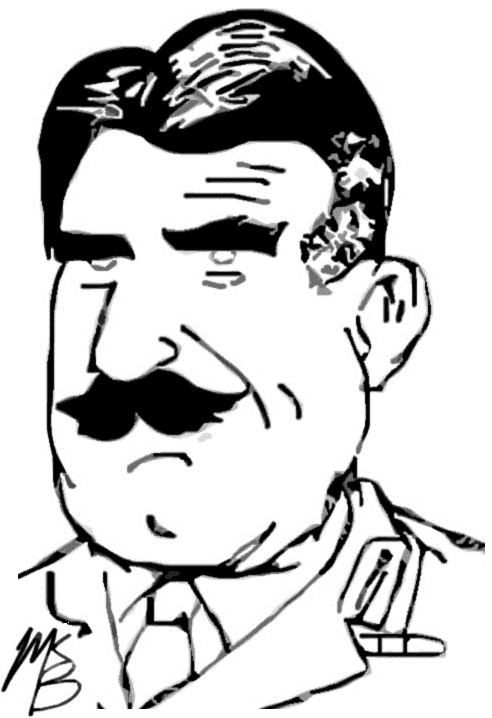
Lieutenant Colonel W. J. Douglass

Douglas
34th (Guelph) Battalion

This officer was sent from the trenches in France Sept. 1916 suffering from nervous exhaustion due to shell fire, was in hospital in England one month then returned to Canada. At present he complains of sleeplessness, loss of strength, loss of appetite, and is easily startled and is 12 lbs. underweight.

(Douglass, “Medical History of an Invalid,” London, ON, 8 July 1916)

In January 1915, Andrew Joseph Oliver, commanding officer of the 29th Highland Light Infantry was appointed to raise the 34th Battalion from Oxford, Perth, Wellington, Waterloo, Huron and Bruce. William James Douglass, commanding officer of the 32nd Bruce Regiment was appointed second-in-command. Born on 25 May 1862 in Ashton, Canada West, Oliver was a prominent Galt manufacturer and nineteen-years member of the 29th Regiment. Born at sea on 1 January 1872, Douglass was a Walkerton accountant with nearly thirty years’ experience in the militia.

Continue reading

The Londoner

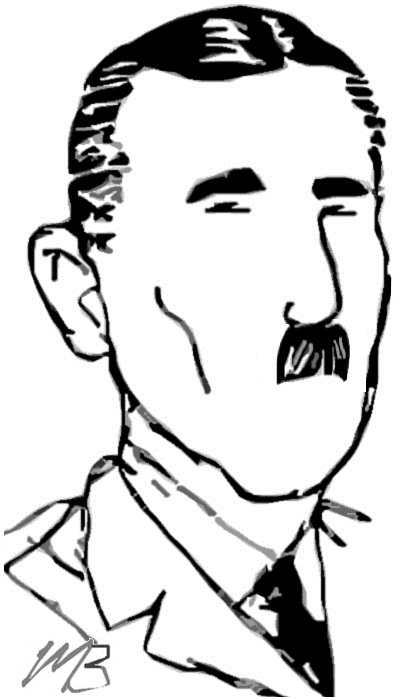
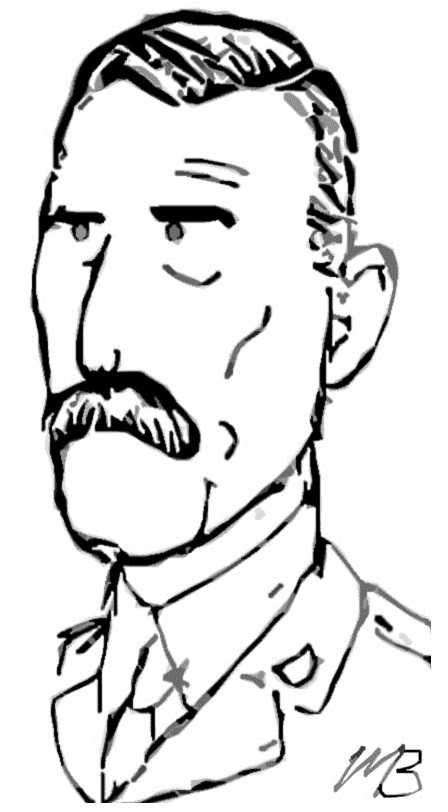
Lieutenant Colonel W. G. Coles
Canadian Army Service Corps

…he is still suffering from nervousness, which takes the form of an indigestion and at times a depression of spirits. He has some sleeplessness, appetite poor, but is gaining slowly in weight. Condition is improving.

(Proceedings of Medical Board, London, ON, 5 Apr 1916)

Born in London, Canada West on 25 July 1865, William George Coles was a businessman and member of the city Board of Control. A long time militiaman, he deployed to France in early 1915 as part of the Canadian Army Service Corps. After several months in the field, he returned to Canada in January 1916 suffering from “nervous shock.”

Continue reading

The Poultry Farmer

Lieutenant Colonel T. G. Delamere
110th (Perth) Battalion
T. G. Delamere

He was thrown down and rendered unconscious for about an hour by shell explosion. He had no wounds but there was marked tenderness and pain over the splenetic area.

His nerves were thoroughly shaken and he was troubled with nightmare. He is suffering from insomnia and is easily upset, tires easily and has lack of concentration, and he is recommended to be allowed to proceed to Canada and back for a change.

(Proceedings of A Medical Board, 1 July 1915)

Thomas Gillmor Delamere was a poultry farmer, veteran of the Boer War and member of a prominent Upper Canadian military family. Born in Toronto on 13 July 1883, he was the son Colonel Joseph Martin Delamere and grandson of Colonel George T. Denison II. In September 1914, he enlisted as a captain with the 1st Battalion.

Continue reading

The First

Brigadier General F. W. Hill, D.S.O.
1st (Western Ontario) BattalionHill

There was a bunk in there, and the brigadier was lying there and he was dead drunk. He looked up and mumbled something at me.

It was a pretty disgusting business.

(Lt. G. Rutherford, In Flanders Fields CBC interview, 1963)

Born on 28 July 1866, Frederic William Hill was a lawyer, former mayor of Niagara Falls (1898) and thirty-year member of the 44th Lincoln and Welland Regiment. When the First Contingent assembled at Valcartier in August 1914, Hill was appointed to command the 1st Battalion from Western Ontario.

Continue reading

The Millennial

Lieutenant Colonel J. Hilliard Rorke
248th (Grey) BattalionRorke

The enthusiasm of Lt.-Col. J. Hilliard Rorke is catching and the 1000 Leaguers of all over the County have got the spirit of extreme optimism and are entering upon the campaign with renewed vigour.

(Flesherton Advance, 15 Feb 1917, 4)

Facing the dismal late-war recruiting environment, Joseph Hilliard Rorke devised a new strategy to fill his battalion. In January 1917, he formed the “1000 Thousand League,” composed of one thousand citizens in Grey County who each pledged to secure one volunteer by 1 March. Born on 30 November 1876 in Thornbury, Ontario, Rorke was a graduate of McGill University, a journalist, and business executive. An expert shot, he had served in the Boer War and was member of the 31st Regiment and the McGill C.O.T.C. His cousin, Lieutenant Colonel Herbert Victor Rorke commanded the 20th Battalion on the front from December 1916 to June 1918.

Continue reading

The Oxfordian

Lieutenant Colonel William T. McMullen
168th (Oxford’s Own) BattalionMcMullen

Another thing, if they are going to break up battalions. It is not fair to the men who go over there as colonels and majors; it cast a slur upon them. They are left stranded in England and we are put to the expense of keeping them there. If they are discharged and sent back, a slur is put on them. I say that is not fair.

(Nesbitt, Debates, 24 Jan 1917, 99)

William Thomas McMullen was commanding officer of the 22nd Oxford Rifles and a member of Loyal Orange Lodge No. 93. Born on 29 January 1863 in Woodstock, Canada West, McMullen was solicitor and master of courts in Oxford County. In December 1915, the militia colonel was authorized to raise the 168th from his home county.

Continue reading

The Newspaperman

Lieutenant Colonel A. G. F. MacDonald
154th (The Counties’ Own) BattalionAMacDonald

So Cheer Up is our motto; Downhearted, No!
And we will soon be on our way.
We live in hopes to lick them soon.
And be home again some day.

(154th Bn. Postcard, 1916)

Alexander George Fraser MacDonald was a journalist and editor born in Alexandria, Canada West, on 24 August 1863. He was the son of Donald Alexander Macdonald (1817—1896), a Liberal MP of Glengarry and fourth Lieutenant Governor of Ontario (1875—1880). The younger Macdonald had founded the Glengarry Weekly News in 1893 and joined the militia in 1896. By the outbreak of the Great War, he was commanding officer of the 59th Regiment.

Continue reading

The Militiaman

Lieutenant Colonel A. A. Cockburn
182nd (Ontario County) Battalion Cockburn

The novelty of soldiery in this town has worn off, and our citizens were not sufficiently impelled by a sense of duty to give the 182nd Ont. County Battalion a welcome worthy of the name. But the Mayor and two or three citizens were all that put in an appearance as the train pulled in…

It was a reception to which Oshawa could hardly be proud…

(Oshawa Reformer, 25 Oct 1916)

Born on 4 January 1867 in Stormont, Canada West, Angus Alexander Cockburn served for thirteen years in the Queen’s Own Rifles and seventeen in the 34th (Ontario County) Regiment. In late 1915, Cockburn, along with fellow 34th major and rival Sam Sharpe, was authorized to each raise a battalion from Ontario County. Once Sharpe’s 116th, based in Uxbridge, neared completion by spring 1916, Cockburn began to organize the 182nd from his headquarters in Whitby.

Continue reading

The Public Servant

Lieutenant Colonel H. V. Rorke, D.S.O.
20th (Central Ontario) BattalionHVRorke

His character was above reproach and his whole-hearted zeal for the welfare of his men had earned for him their perfect confidence as a commander. He had never sought popularity, yet men and officers felt that they were losing a friend.

(D. J. Corrigall, The History of the Twentieth Canadian Battalion, 1935, 205)

Hebert Victor Rorke was a federal civil servant and member of the 3rd Regiment since 1885. He was born on 25 April 1869 in the Township of Collingwood, Ontario. He enlisted in Lieutenant Colonel J. A. W. Allan’s 20th Battalion on the formation of the First Contingent at Valcartier. On the front, he served as second-in-command under Lieutenant Colonel Charles Herman Rogers until December 1916 when he took over the 20th.

Continue reading