The Brockvillian

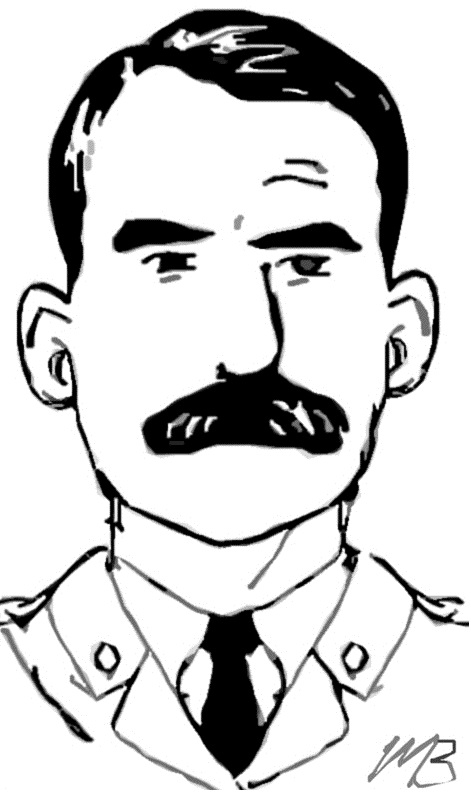
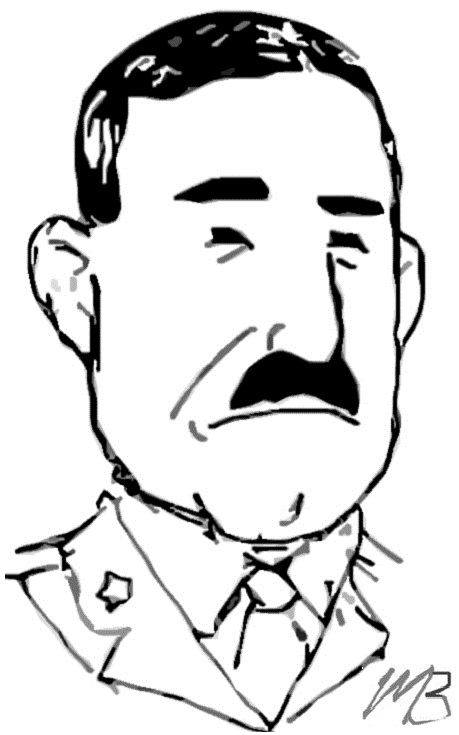
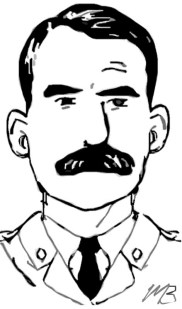
Lieutenant Colonel W. S. Buell
4th and 36th Battalions Buell
This officer was wounded on April 23rd near Ypres as described in A.F.A.45 of the 27th Aug’15. He now has very free movement at the shoulder, and has no pain and has considerable strength in the arm. His nervous condition, however, is not yet normal and this board recommends another month’s leave from this date.

(Proceedings of Medical Board, London, 11 Jan 1916)

Born on 11 October 1868 in Brockville, Ontario, William Senkler Buell descended from one of the oldest Loyalist families in Ontario. His ancestors had fought for the British in the American Revolution and the War of 1812. He followed his grandfather and father in politics and military affairs, becoming mayor of Brockville in 1900, president of the Liberal Association and commanding officer of the 41st Regiment in 1910. In August 1914, he helped to organize the 4th Battalion and was appointed second-in-command.
Continue reading

The Philanderer

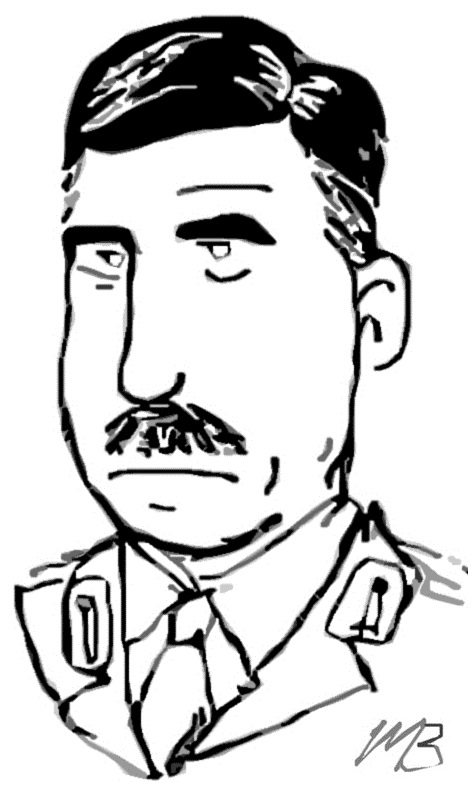
Major Laurence Clark
211th (Alberta Americans) BattalionClarkEL

He is a high strung individual and a “worrier.” He complains of insomnia and that he dreams a great deal.

He is markedly nervous and is 18 Ibs under weight. The Board is of the opinion that this Officer will not improve in this climate and recommend that he be invalided to Canada

(Proceedings of a Medical Board, 9 Aug 1917)

Laurence Erastus Clark was a traveling auditor for a New York banking firm. He was born in Buffalo on 17 February 1883 and had been an officer in the state National Guard. After the formation of the 97th American Legion in Toronto, Clark enlisted as a lieutenant. By February 1916, he had transferred to the 211th Alberta Americans to become second-in-command.

Continue reading

The Worn-Out

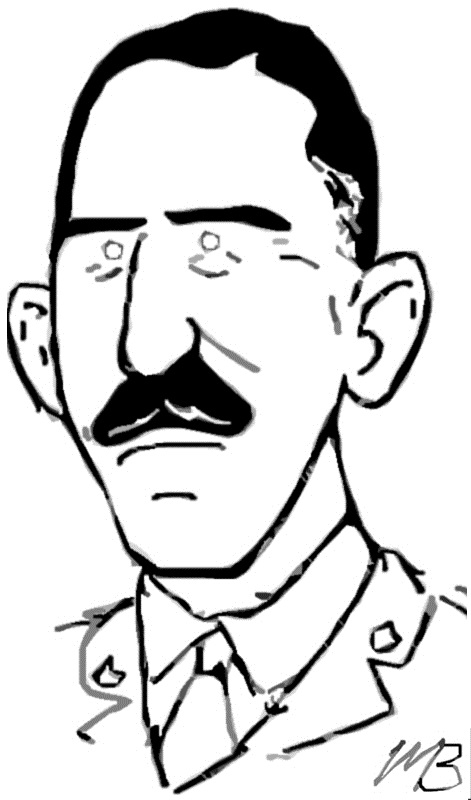
Lieutenant Colonel Billy Evans, D.S.O.
52nd (New Ontario) BattalionEvans

Marked spells of general weakness, occasionally shortness of breath, easily fatigued, spells of nervousness with trembling of whole body. Has no confidence in himself and lacks concentrating powers.

(Medical History of an Invalid, 17 Jul 1919)

William Barnard Evans was a Montreal businessman with fourteen years’ service in the 3rd Royal Victoria Rifles. He was born in Toronto on 31 October 1875. On the formation of the 60th Battalion in spring 1915, he became second-in-command to Lieutenant Colonel Gascoigne.

Continue reading

The Liaison

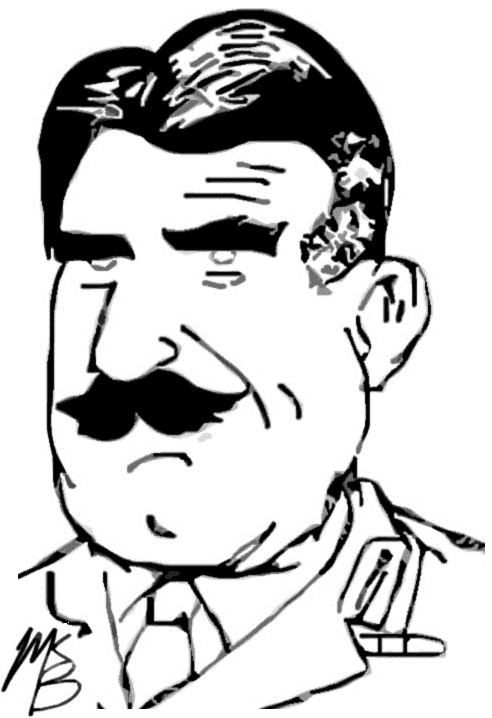
Brigadier General John Embury
28th (Northwest) BattalionEmburyJFL

Words can but inadequately express our feelings. Your personality at work or at play was an inspiration to all ranks, your personal disregard of danger, your sympathy with the wounded, and your human understating of our frailties will always dwell in our memories.

(Illuminated address to Embury from 28th Bn. Officers, 1920)

John Fletcher Leopold Embury was a Regina lawyer and commanding officer of the 95th Saskatchewan Rifles. Born on 10 November 1875 in Hastings County, Ontario, he was a graduate of the University of Toronto and Osgoode Hall. In late 1914, Embury was authorized to form the 28th Battalion from the Northwest. The battalion’s official history declared, “No better choice could have been made. The colonel was a man’s man and won the confidence of all ranks…”

Continue reading

The Double Colonels

Lieutenant Colonel A. J. Oliver

Oliver
&
Lieutenant Colonel W. J. Douglass

Douglas
34th (Guelph) Battalion

This officer was sent from the trenches in France Sept. 1916 suffering from nervous exhaustion due to shell fire, was in hospital in England one month then returned to Canada. At present he complains of sleeplessness, loss of strength, loss of appetite, and is easily startled and is 12 lbs. underweight.

(Douglass, “Medical History of an Invalid,” London, ON, 8 July 1916)

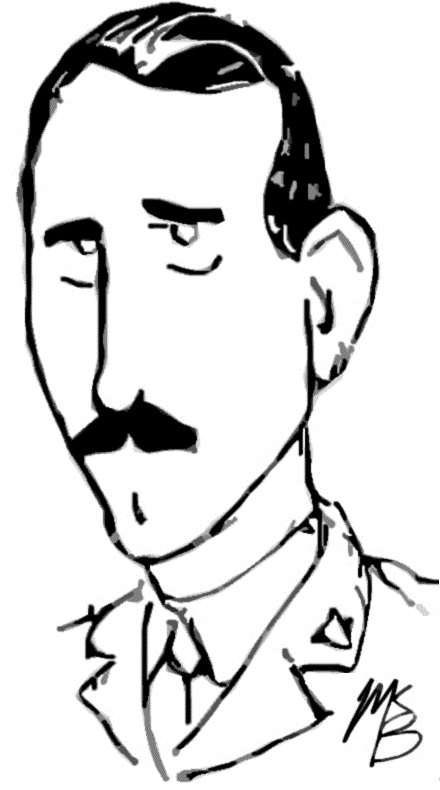
In January 1915, Andrew Joseph Oliver, commanding officer of the 29th Highland Light Infantry was appointed to raise the 34th Battalion from Oxford, Perth, Wellington, Waterloo, Huron and Bruce. William James Douglass, commanding officer of the 32nd Bruce Regiment was appointed second-in-command. Born on 25 May 1862 in Ashton, Canada West, Oliver was a prominent Galt manufacturer and nineteen-years member of the 29th Regiment. Born at sea on 1 January 1872, Douglass was a Walkerton accountant with nearly thirty years’ experience in the militia.
Continue reading

The Londoner

Lieutenant Colonel W. G. Coles
Canadian Army Service Corps

…he is still suffering from nervousness, which takes the form of an indigestion and at times a depression of spirits. He has some sleeplessness, appetite poor, but is gaining slowly in weight. Condition is improving.

(Proceedings of Medical Board, London, ON, 5 Apr 1916)

Born in London, Canada West on 25 July 1865, William George Coles was a businessman and member of the city Board of Control. A long time militiaman, he deployed to France in early 1915 as part of the Canadian Army Service Corps. After several months in the field, he returned to Canada in January 1916 suffering from “nervous shock.”

Continue reading

The Poultry Farmer

Lieutenant Colonel T. G. Delamere
110th (Perth) Battalion
T. G. Delamere

He was thrown down and rendered unconscious for about an hour by shell explosion. He had no wounds but there was marked tenderness and pain over the splenetic area.

His nerves were thoroughly shaken and he was troubled with nightmare. He is suffering from insomnia and is easily upset, tires easily and has lack of concentration, and he is recommended to be allowed to proceed to Canada and back for a change.

(Proceedings of A Medical Board, 1 July 1915)

Thomas Gillmor Delamere was a poultry farmer, veteran of the Boer War and member of a prominent Upper Canadian military family. Born in Toronto on 13 July 1883, he was the son Colonel Joseph Martin Delamere and grandson of Colonel George T. Denison II. In September 1914, he enlisted as a captain with the 1st Battalion.

Continue reading

The Interned

Lieutenant Colonel E. S. Doughty, D.S.O.
31st (Alberta) BattalionDoughty

Looks somewhat tired and languid. States that he does not feel up to the work. Feels nervous and irritable at times. Does not sleep as well as prior to enlistment. Is troubled with nocturnal emissions. Also has occasioned dizzy spells. States that he feels that he requires a rest.

(“Medical History of an Invalid,” 9 Jul 1919)

Born in India on 25 January 1881, Edward Spencer Doughty was second-in-command with the 31st Bell’s Bulldogs Battalion. Twice wounded in the field, he assumed command of the battalion when the original commander, Lieutenant Colonel Arthur Bell, was promoted to brigadier general on 23 April 1918.

Continue reading

The First

Brigadier General F. W. Hill, D.S.O.
1st (Western Ontario) BattalionHill

There was a bunk in there, and the brigadier was lying there and he was dead drunk. He looked up and mumbled something at me.

It was a pretty disgusting business.

(Lt. G. Rutherford, In Flanders Fields CBC interview, 1963)

Born on 28 July 1866, Frederic William Hill was a lawyer, former mayor of Niagara Falls (1898) and thirty-year member of the 44th Lincoln and Welland Regiment. When the First Contingent assembled at Valcartier in August 1914, Hill was appointed to command the 1st Battalion from Western Ontario.

Continue reading

The Erased

Lieutenant Colonel L. J. Daly-Gingras, D.S.O.*
2nd Battalion, Quebec Depot Daly-Gingras

* His Majesty the King has directed that Ludger Jules Oliver Daly-Gingras, late Lieutenant-Colonel, 22nd Battalion, Canadian Infantry, shall cease to be a member of the Distinguished Service Order to which he was appointed January 1, 1917, and that his name shall be erased from the Register of the Order.

(Canadian Gazette, 11 Feb 1919, 3434)

For two years Ludger Jules Oliver Daly-Gingras fought with the 22nd Battalion until he was shell shocked at the Somme. For heroic gallantry during the battle, he received the Distinguished Service Order. By August 1918, Daly-Gingras was facing a court martial for allegedly embezzling a thousand dollars from the Quebec Depot battalion. His defence counsel strenuously defended the war hero, claiming, “If he was in his right mind he would never have jeopardized his entire career and sacrificed his 31 years of service, and his hard-won honors for that paltry sum.”

Continue reading