The Old Timer & The Whippersnapper

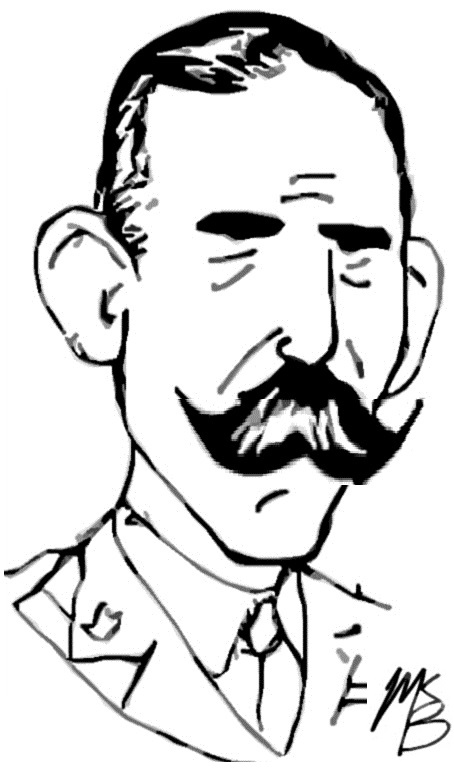
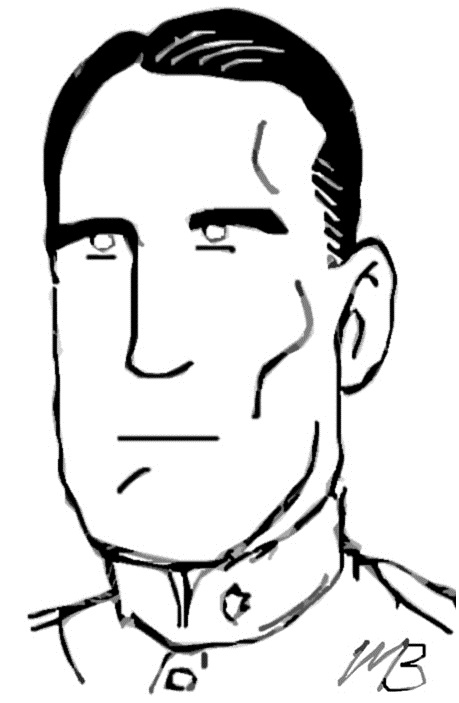
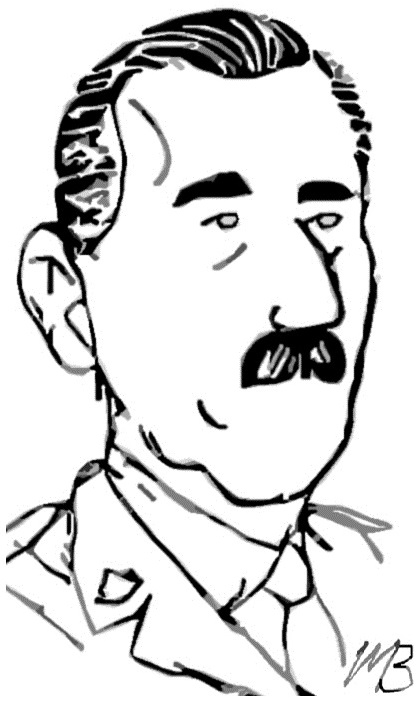
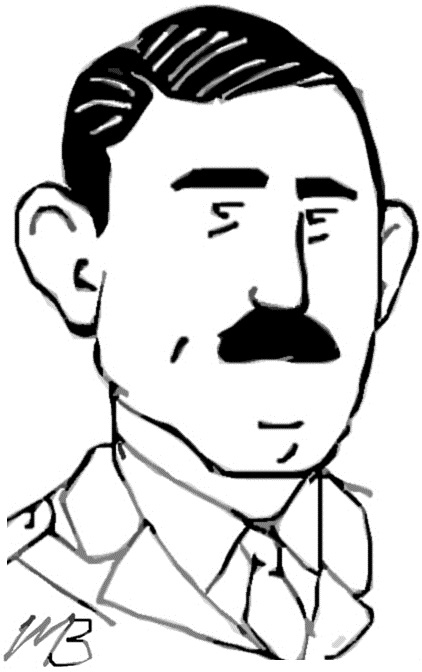
Lieutenant Colonel Wellington Wallace
234th (Peel) BattalionWallace&
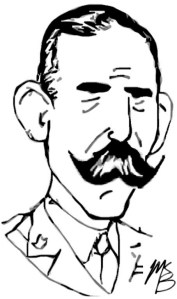
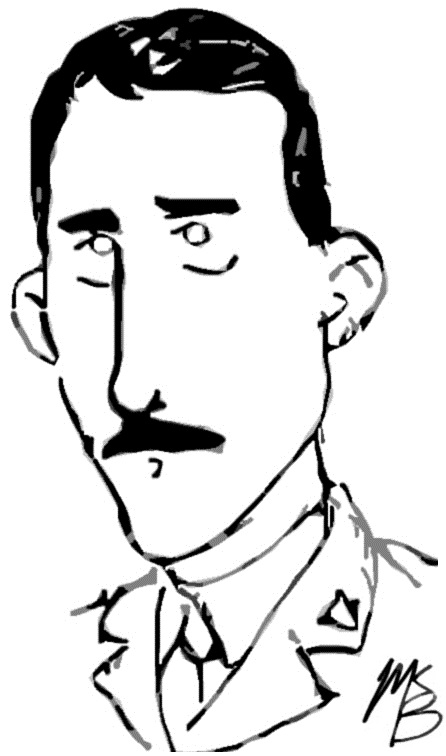
Lieutenant Colonel W.O. Morris
215th & 234th (Peel) BattalionMorris
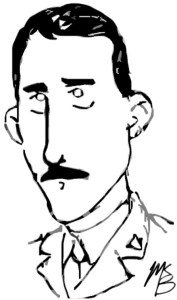
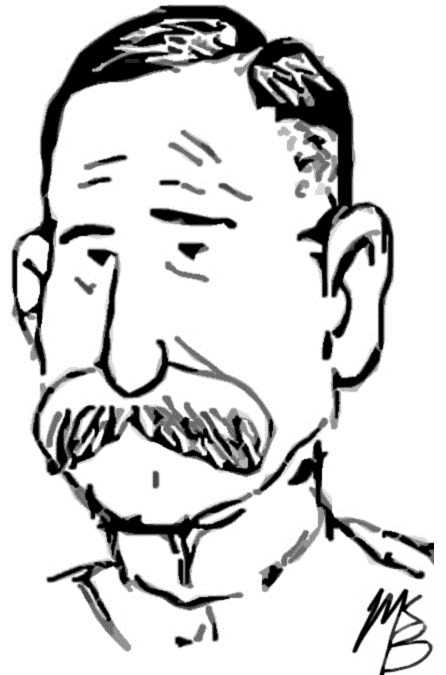
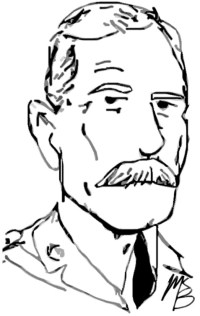
Born in 1854 in Tipperary, Ireland, Wellington Wallace immigrated to Canada in 1878. He was a bank manager, militiaman and veteran of the Northwest Rebellion. He fought with the Queen’s Own Rifles against Cree Chief Poundmaker at the battle of Cut Knife on 2 May 1885. The son of a North West Mounted Police Inspector, William Otter Morris was born in Fort Battleford on 24 May 1885 and named after the Canadian commander at Cut Knife, Colonel William Dillon Otter. The thirty-year old Wallace and the two day old Morris were both present in Battleford when Poundmaker and the Cree surrendered on 26 May 1885. Over thirty years later, Morris succeed Wallace as commander of the 234th Battalion.
Continue reading

The ’85er

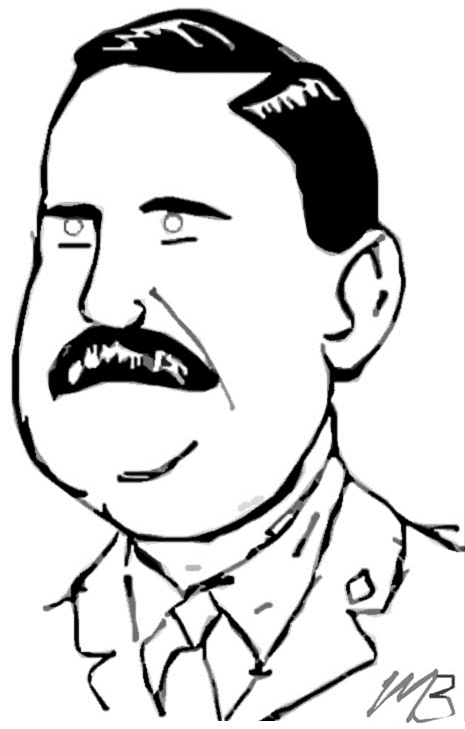
Lieutenant Colonel J. A. V. Preston
39th Battalion JAVPreston

Marched the remainder of the way to Batoche today and joined Middleton’s command, arriving early in the afternoon. The field still bears all the marks of battle, with some dead half-breeds and Indians. Middleton’s men had been fighting practically night and day four days, and when it was over most of them went to sleep and nothing had been done towards clearing the field of burying the dead, which duty devolved to us in large measure on our arrival.

(Lieut. Preston, Diary, 13 May 1885)

John Alexander Victor Preston was a lawyer, Orangeman, and court official in Dufferin County. He was born on 4 December 1863 in Manvers, Canada West. Preston joined the militia at the age of thirteen and volunteered to put down the Northwest Rebellion of Louis Riel at twenty-two. He served as a lieutenant in the Midland Battalion under the command of Colonel A. T. H. Williams and fought at the battle of Batoche (9-12 May 1885).

Continue reading

The Home Wrecker

Lieutenant Colonel L.J. Whitaker
3rd Canadian Mounted Rifles
Whittaker

The plaintiff [Mr. Hill] charges that the defendant [Col. Whitaker] alienated his wife’s affections and has broken up his home.

(Lethbridge Herald, 10 May 1917, 4)

Born in Staffordshire, England on 19 January 1869, Louis James Whitaker was a Fort Saskatchewan dry goods merchant and commanding officer of the 19th Alberta Dragoons. He had belonged to the Manchester Volunteers before immigrating to Canada. In December 1914, he was appointed to command the 3rd Canadian Mounted Rifles from Alberta. He served for four months in the trenches before the 3rd CMR was disbanded on the reorganization of the Mounted Rifles Brigades in January 1916.

Continue reading

The Westerner

Lieutenant Colonel Sam Donaldson, M.P.
188th (Prince Albert) BattalionDonaldson

If you had 300 or more of these Indians at the Front they would make good snipers as they are crack marksmen and they are as tough as any class of people I have ever met in this country.

(Donaldson to Sam Hughes, 25 Nov 1915)

Samuel James Donaldson was a veteran of the 1885 Rebellion, a former member of the North-West Mounted Police, farmer, sportsman and politician. He was born on 12 March 1856 in Appleton, Canada West. Saskatchewan and its People (1924) claimed that “his varied activities and numberless experiences serve to make his life story one of the most interesting of any of Canada’s native and adventurous sons.”

Continue reading

The Anti-Prohibitionist

Lieutenant Colonel H. A. C. Machin, M.P.P
94th (New Ontario) BattalionManchin

My position in this war has been very small, but I have had the privilege of serving some six months on the front… during the period I spent in France amid the horrors of war and human suffering and misery and the war’s leveling effects, I felt that if I survived and returned I could never again view affairs through the same coloured glasses as I did in 1914–before the war.

(Machin, Address in Ontario Legislature, 4 Mar 1919, 2)

Harold Arthur Clement Machin was a veteran of the Boer War and Conservative MPP for Kenora in the Ontario legislature between 1908 and 1919. Born on 9 May 1875 in Rochester, New York, Machin grew up in Newfoundland and Port Arthur, Ontario. In December 1915, he was authorized to raise the 94th Battalion from the region around Port Arthur, Fort William, Kenora and Rainy River.

Continue reading

The Arsenalist

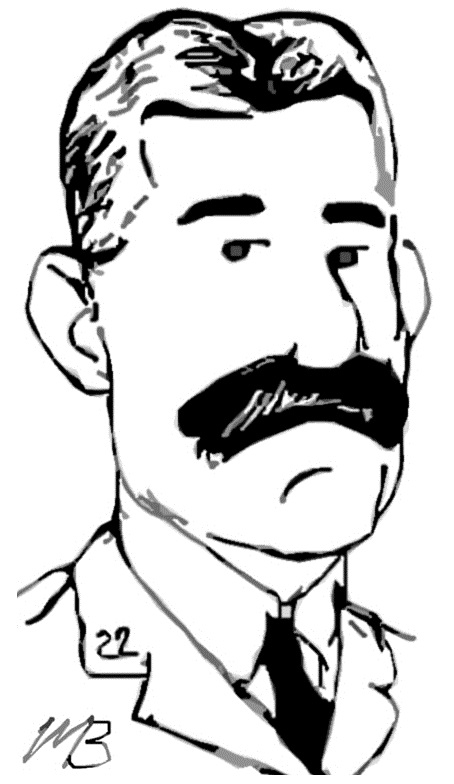
Lieutenant Colonel Fred Gaudet
22nd (Royal French Canadians) Battalion Gaudet

The news of Major Tremblay’s promotion to the command of the battalion and of Colonel Gaudet’s illness is absolutely untrue. I cannot understand who spreads these rumors that do no one any good and very often do a great deal of harm. Colonel Gaudet is still with us and I hope he will be with us until the end of the campaign.

(Vanier to Mother, 7 Jan 1916)

Frederick Mondelet Gaudet was a professional soldier and engineer with the Royal Canadian Artillery. Born in Three Rivers, Canada East on 11 April 1867, he was one of the first francophone graduates of the Royal Military College. In 1913, he incurred the wrath of Militia Minister Sam Hughes for criticizing the Ross Rifle. Hughes made trumped-up allegations of corruption and negligence against the militia colonel. One year later, in November 1914, Gaudet was appointed to command the 22nd Battalion, the first all French Canadian unit.

Continue reading

The Giant

Lieutenant Colonel F. Pawlett, D.S.O.
128th (Moose Jaw) BattalionPawlett

The commanding officer, whose name I have never mentioned, may be an honorable officer. He said in a public address in the city of Moosejaw that he had been stabbed from behind… It was not an utterance an officer should have made. I have my duty to perform, and he has his. So far as I have had any personal relations with him, they have been of unalloyed friendship. I know him very slightly, because he is a stranger in our city.

(W. E. Knowles, Debates, 6 May 1916, 3541)

Born in Leicester, England on 8 September 1879, Francis Pawlett served with the Imperial Yeomanry in South Africa from 1899 to 1903. He settled in Yorktown. Saskatchewan after the Boer War and joined the 16th Light Horse in 1910. In September 1914, the six-foot-four militia officer volunteered with the 5th Battalion. Pawlett was wounded on the front, invalided to England and returned to Canada in late 1915 to raise the 128th Battalion from Moosejaw.

Continue reading

The Prisoner

Major A. J. E. Kirkpatrick
3rd (Toronto Regiment) BattalionAJEKirkpatrick

With ammunition gone, bleeding and bent,
With hunger, thirst, and weariness near spent,
With foes in crowds on every side to hem
Them in, to capture these, God pity them.

Their day was done, their suffering still to come.
They were to know the full and total sum,
Wearily marching to captivity,
How long? God knows! An eternity

(A. E. Kirkpatrick, Toronto Globe, 22 Apr 1931, 4)

A native of Toronto, Arthur James Ernest Kirkpatrick was born on 29 April 1876. He was a graduate of Upper Canada College, twenty-one year member of the Queen’s Own Rifles and married to the daughter of prominent Liberal Party leader William Mulock. Kirkpatrick fought at Second Ypres as second-in-command of the 3rd Battalion under Lieutenant Colonel Robert Rennie.

Continue reading

The Americanist

Lieutenant Colonel P. A. Guthrie, M.P.P.
236th (Sir Sam’s Own) BattalionGuthrie

I do confess to be a Christian, but I must confess that when the time comes and we have the chance to even up old scores, I want to see their [German] towns leveled with the earth; I want to see their farmhouses in smoke; I want to see their land laid waste and desolate; and I want to see them fleeing before fire, sword and hate…

If I can but see this and help it on its way I will be happy to fall in the rush of victory…

(Boston Globe, 6 Jan 1918, 15)

Born on 20 June 1884 in Oromocto, New Brunswick, Percy Albert Guthrie was an Orangeman and Conservative member of the provincial legislature. He was one of the first volunteers to join the Canadian Expeditionary Force and sailed to England with Lieutenant Colonel Harry McLeod’s 12th Battalion. He fought with the 10th Battalion at Second Ypres and was seriously wounded by a shell explosion at Festubert on 25 May 1915.

Continue reading

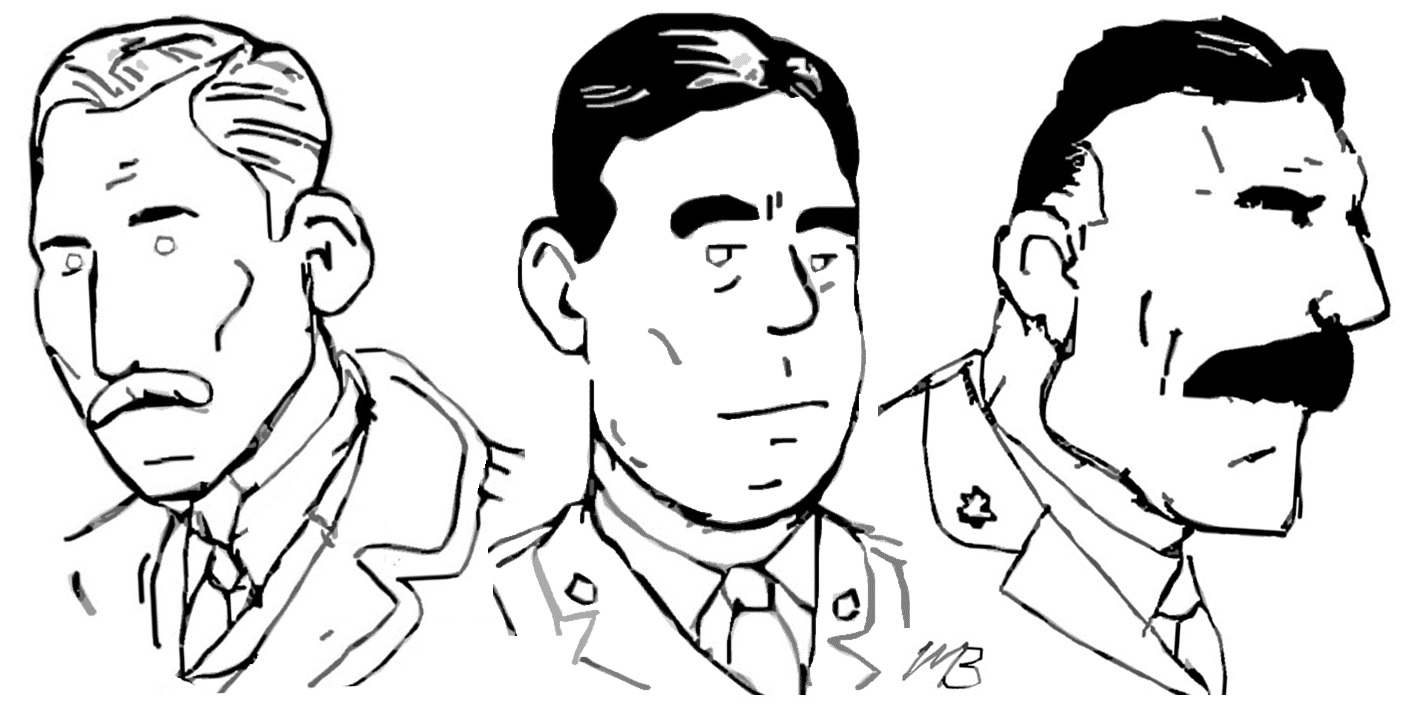
The Ypres Three

Lieutenant Colonels
Birchall, Hart-McHarg & BoyleYpres3

The more details I learn of the battle before Ypres, the greater to me does the resourcefulness and bravery of brigadiers, battalion commanders, and individuals become apparent.

(General Horace Smith-Dorrien, Apr 1915)

The Canadians had many casualties, but their gallantry and determination undoubtedly saved the situation.

(Lord Kitchener, April 1915)

This week marks the one hundredth anniversary of the second battle of Ypres, the first major action of the Canadian Expeditionary Force. The battle saw 5,000 Canadian soldiers wounded and nearly 1,000 killed including three battalion commanders. On 23 April 1915, Arthur Birchall (4th Battalion) was struck down leading his men armed only with his cane. On 24 April 1915, William Hart-McHarg (7th Battalion) was shot and killed while on a reconnaissance operation. On 25 April, Russell Boyle (10th Battalion) died of severe wounds and loss of blood at a clearing hospital. All three had belonged to the 2nd Brigade under the command of Brigadier General Arthur Currie.