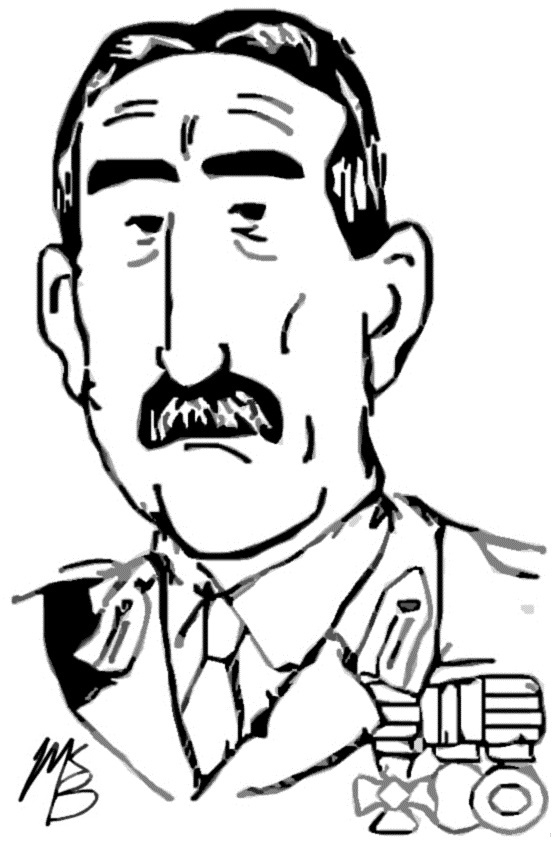
Colonel Runaway

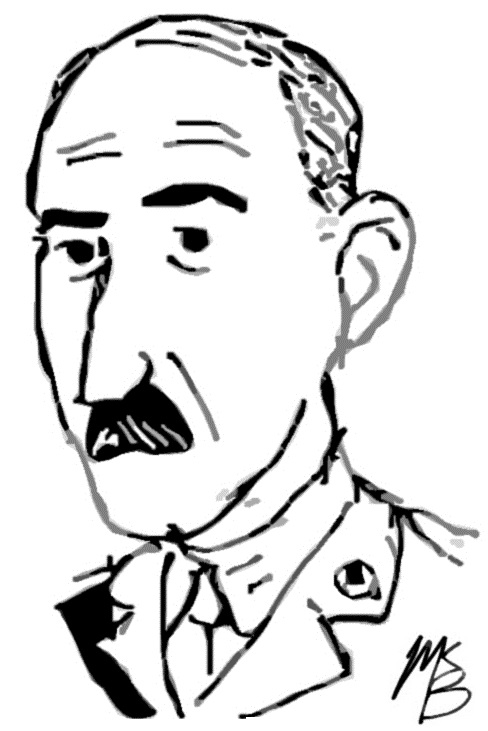
Colonel Jack Currie, M.P.
15th (48th Highlanders) Battalion
CurrieJA

As was the case to be in many Canadian battalions, Lt.-Col. Currie was an M.P. and very much more of a politician than an officer.

 He was one of the type of civilian-soldier who is simply worshipped by the poorer element among the ranks, but to serve under whom, for an officer, is sheer misery.

(Lt. Ian Sinclair, 13th Bn. personal diary)

The conduct of John Allister Currie at the second battle of Ypres in late April 1915 was the subject of much controversy and insinuation. According to some of his men in the 15th Battalion, he had fought “like a hero” with rifle and bayonet. However, by most accounts, Currie remained in a dugout well behind the lines, shell shocked and possibly drunk during the German gas attack on his unit at St. Julien.
Continue reading

The Anti-Intellectual

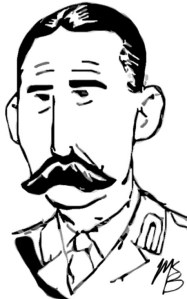
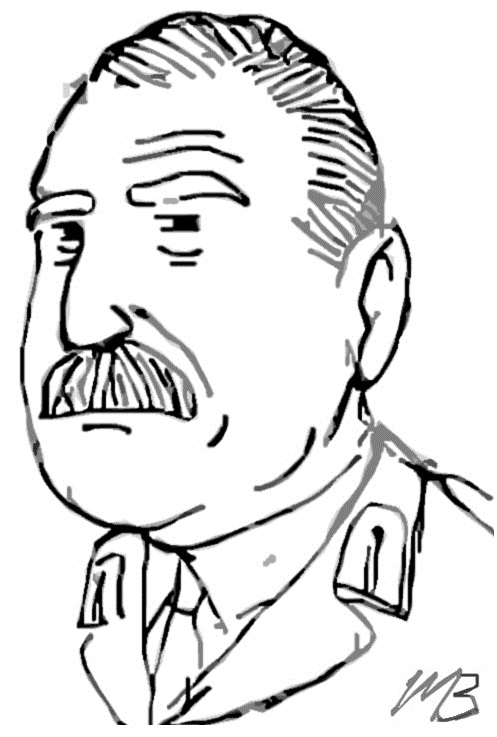
Lieutenant Colonel Thomas Lennox, M.P.P.
208th (Irish Fusiliers) BattalionLennox

It is hard to think that we must make this sacrifice to help the slackers to get a higher education. Any of my men are willing, and I am willing, to go and die for those who cannot go, but I would hate like the dickens to go and die for the fellow with the creased trousers and silk stockings.

(Lennox, Toronto Star, 6 Nov 1916, 4.)

Thomas Herbert Lennox was the Conservative member of the Ontario legislature for York North from 1905 to 1923. Born on 7 April 1869 in Simcoe County, Ontario, to an Irish immigrant father, Lennox was proud of his ancestry and a member of Loyal Orange Lodge No. 643.

Continue reading

The Conscriptionist

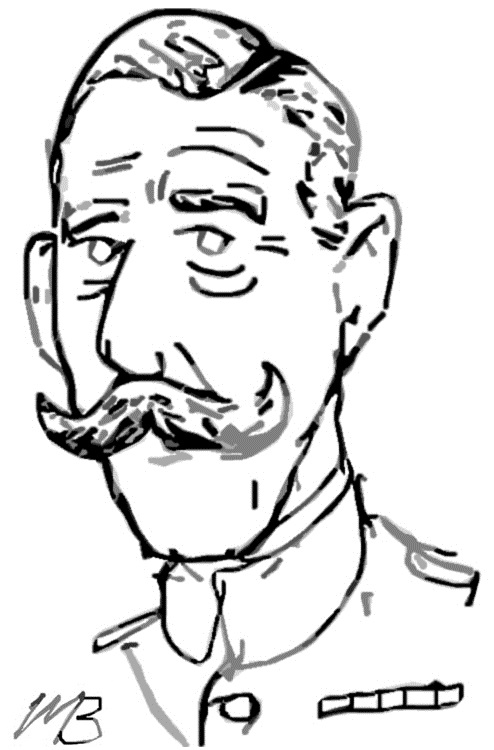
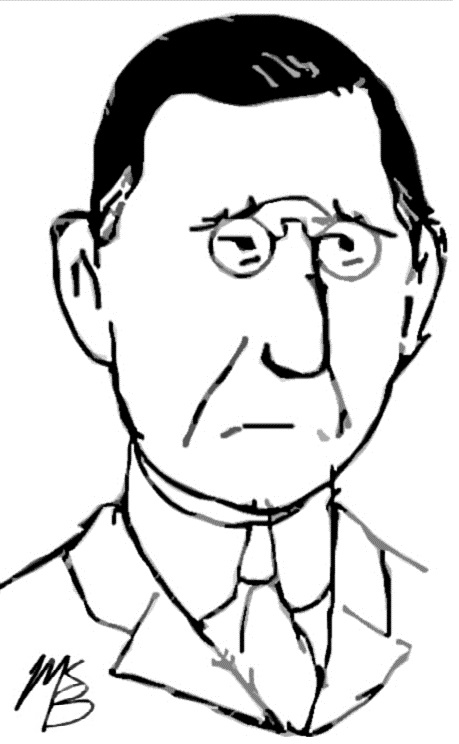
Lieutenant Colonel J. A. Cooper
198th (Canadian Buffs) Battalion JACooper

We are cowards in front of a word, and that word is conscription. So far as I am concerned, I never was afraid of conscription. I am not afraid of conscription. All the men who are with me in my battalion are conscripts and they are proud of it. They are conscripts to their own consciences.

(Toronto Globe, 6 Mar 1916, 9)

John Alexander Cooper was a Toronto militia leader, press editor and original president of the Canadian Club when it was founded in 1897. He was born in Clinton, Ontario on 5 February  1868, graduated from the University of Toronto in 1892 and joined the Queen’s Own Rifles in 1896. A long-time advocate for militia and defence issues, Cooper was authorized to raise the 198th Battalion from Toronto.

Continue reading

The Meteorologist

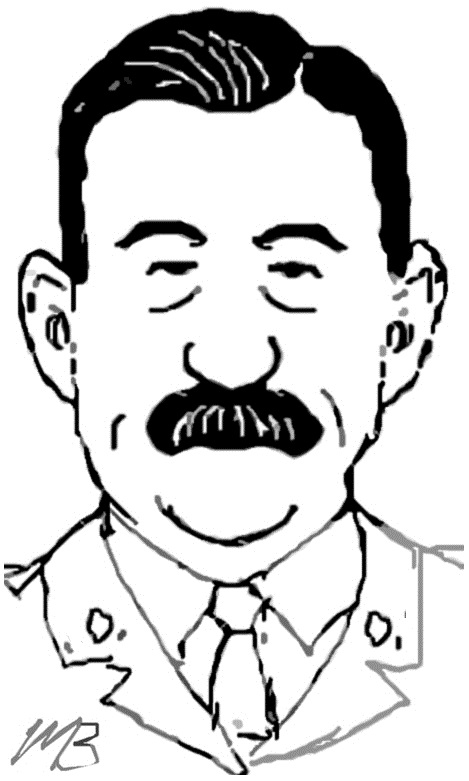
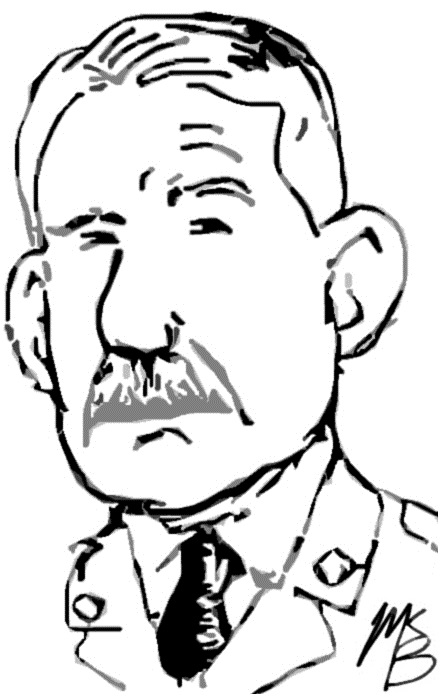
Lieutenant Colonel William D. Allan, D.S.O. †
3rd (Toronto Regiment) BattalionWDAllan

Since going into the trenches he was three times wounded, and mentioned in dispatches for many acts of signal bravery. The people of Canada still vividly recall the story of heroism when he went with another soldier into No Man’s Land under heavy fire to carry in a wounded comrade. The man was struck by a bullet and killed as they were carrying him to shelter. For this and other conspicuous acts of bravery he was awarded the D.S.O.

(Toronto Globe, 3 Oct 1916, 4)

William Donald Allan was a meteorologist and seventeen year member of the Queen’s Own Rifles. He was born in Toronto on 25 November 1879. Allan served as a company captain with the 3rd Battalion during the second battle of Ypres. After Robert Rennie was promoted to command the 4th Brigade, Allan took charge of the 3rd on 10 November 1915.

Continue reading

The Redeemed

Lieutenant Colonel C. C. Harbottle, D.S.O
75th (Mississauga) BattalionHarbottle

This deplorable affair has ruined him absolutely, and his character has been taken from him forever. His family and mother are heart-broken. For two years, since these things began, he has lived in a hell of torture, and whatever term he has to do he will be more than amply punished.

(Defence counsel Mr. Robinette, Toronto Globe, 9 May 1908, 4)

Colin Clark Harbottle assumed command of the 75th Battalion on 16 April 1917. He proved himself a dedicated leader through the last year and a half of the war and won the Distinguished Service Order for his “fine example of personal gallantry and determination.” Ten years, earlier Harbottle had been a disgraced fugitive from justice and convicted criminal.

Continue reading

The Queen’s Own

Major General Malcolm Mercer †
3rd Infantry DivisionMercer

It is now fully believed here that General Mercer is dead.

Nothing whatever has been heard of him since and it is now considered almost certain that his body lies in the shell torn area where the former front trenches were, but are now practically obliterated.

(Montreal Daily Mail, 6 June 1916, 1)

Malcolm Smith Mercer was the highest ranked Canadian officer killed in the First World War. He was born on 17 September 1859 in Etobicoke, Canada West. While a student at the University of Toronto, he joined the Queen’s Own Rifles in 1881. He became commanding officer of the Regiment in 1911 and was posted to the 1st Infantry Brigade when the First Contingent assembled at Valcartier in August 1914.

Continue reading

The Retiree

Colonel Septimus J. A. Denison
4th Infantry Brigade DenisonS

… I am afraid we have had in the past, officers placed upon the general staff in time of trouble who are a long way better fitted to carry a constituency or empty a bottle of good Canadian rye in the morning.

(Denison, Lecture, Feb 1898)

Born in Toronto in 1859, Septimus Junius Augustus Denison was the brother of Colonel George Taylor Denison III and member of Canada’s most prominent military family. A graduate of the Royal Military College, he served for twenty-five years with the Royal Canadian Regiment and was aide-de-camp to General Lord Roberts during the Boer War. Continue reading

The Engineer

Lieutenant Colonel Walter A. McConnell
256th (Toronto Railway Construction) BattalionMcConnell

This battalion should be very popular, as a very small amount of drill is necessary, and the work of laying railways behind the lines will be particularly interesting.

(Toronto Star, 5 Jan 1917, 16)

Born on 28 September 1878 in Muskoka, Ontario, Walter Adam McConnell was a railway engineer and graduate of the Engineering Corps of the School of Science. In January 1917, he was authorized to raise the 256th Railway Construction Battalion. McConnell and the majority of his recruits had belonged to the 109th Regiment, the Home Guard unit organized by Lieutenant Colonel W. T. Stewart two years earlier. Including the volunteers in the 256th, by 1917 the 109th Regiment had provided a total 200 officers and 5,000 men for overseas service.

Continue reading

The Imperialist

Major General A. H. Macdonell, D.S.O.
Royal Canadian RegimentAHMacdonell

Theirs was not a spectacular adventure.

Modern warfare had lost that glamour which in centuries past stirred the imagination of peoples. When whole nations are aligned on the battle fields in a long mass of muddy burrows, war becomes horribly monotonous, yet officers and privates faced the same dangers and they shared the same fate.

(Macdonell, Speech at War Memorial, St. John, N.B., 10 June 1925)

Born in Toronto on 6 February 1868, Archibald Hayes Macdonell was a decorated professional soldier and veteran of multiple British imperial adventures in Africa. He had fought in the Boer War, the Aro Expedition and military operations in Nigeria with the West African Frontier Force. During the South African campaign, he had briefly been taken prisoner by Boer General Christian De Wet and earned the Distinguished Service Order.

Continue reading

The Labourer

To mark the one year anniversary of this website, today’s post features an ordinary private soldier, my great-great uncle, G. W. Barrett.

Private “Bill” Barrett
208th and 102nd BattalionsGWBarrett

Over 80 per cent of the men in my battalion, and at least 80 per cent of the men in any battalion, are workingmen, who should really be the last class to be called upon. The average workingman slaves night and day to get a bare living for his wife and family, but it is the workingman who is giving lustre and glory to the name of Canada.

(T. H. Lennox, Toronto Globe, 6 Nov 1916, 4)

George William Barrett was born in Peterborough, England on 5 November 1897. He immigrated to Canada with his family in 1907 and worked as a labourer in Toronto. Standing only five-foot-three, George volunteered with the 208th Irish Fusiliers, commanded by York North MPP Lieutenant Colonel Thomas Lennox on 5 April 1916. Several weeks later, his underage brother Harry Barrett enlisted with the 204th Beavers commanded by Lieutenant Colonel William Herbert Price, another Toronto MPP.

Continue reading