The Birthday Boy

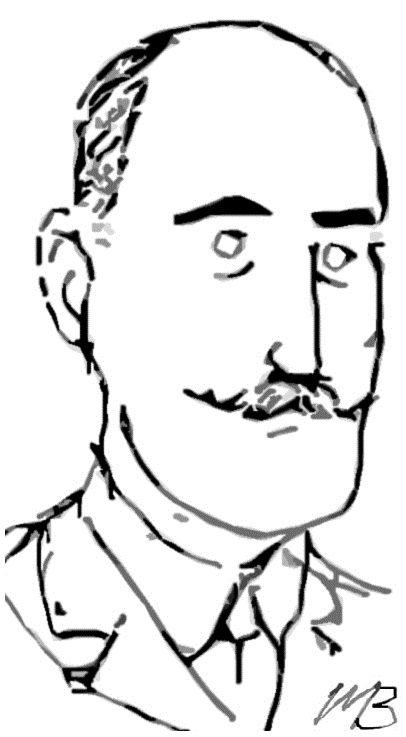
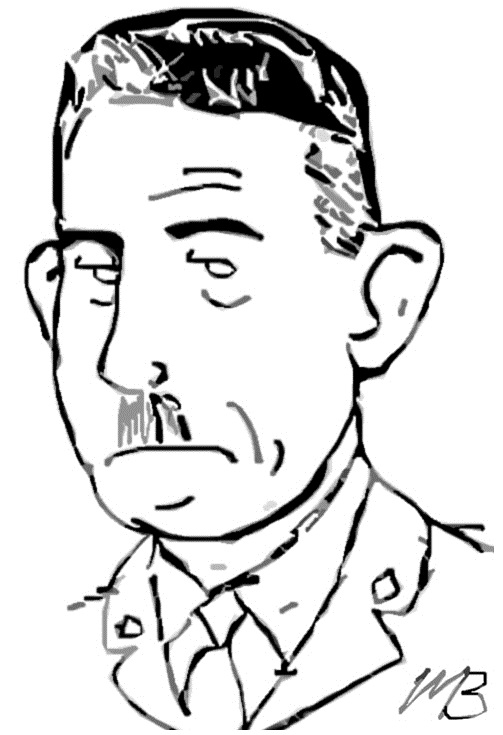
Brigadier General Victor Williams
8th Infantry BrigadeWilliams

 The whole front was a tangled mass of ruins. Only a few isolated posts were alive. General Mercer was dead. And General Williams, leg broken and spine twisted, yet fighting gamely against odds, with only a wooden wiring-stake for a weapon was being clubbed into submission by the butt-end of a Mauser in the hands of a German infantryman.

(Toronto Globe, 2 Jun 1928, 17)

Victor Arthur Seymour Williams was the most senior Canadian officer taken prisoner during the First World War. He was captured at the battle of Mont Sorrel on 2 June 1916, incidentally his forty-ninth birthday.
Continue reading

The Ironman

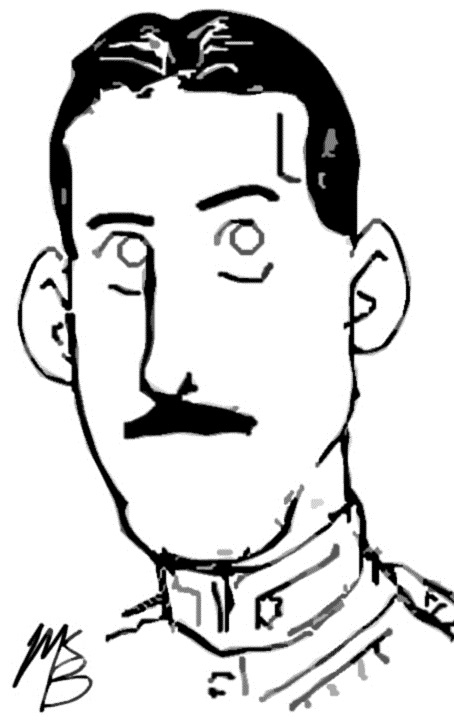
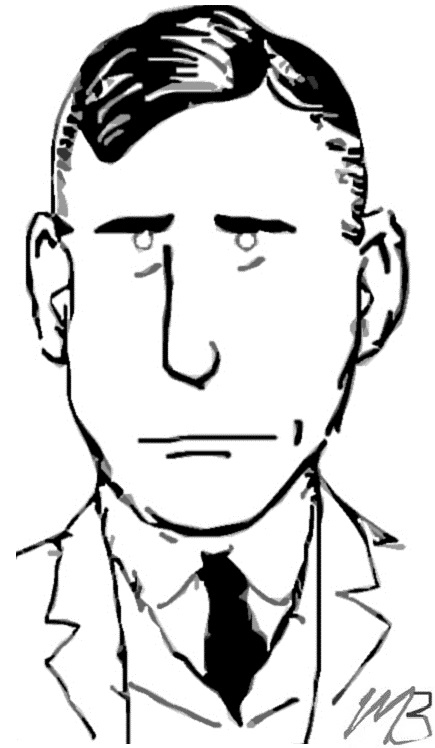
Lieutenant Colonel Lorne McLaughlin, D.S.O.
2nd (Iron Second) BattalionMcLaughlin

Such loyal and ready support as this always goes a long way to foster the already good feeling which exists between your own battalion and the one which I have the honour to command. With very best wishes. (McLaughlin to Bart Rogers, 3rd Bn., 11 Nov 1917)

Lorne Tolbert McLaughlin was a farmer born on 14 February 1879 in Tyrone, Darlington Township, Ontario. He was a militia officer and member of Loyal Orange Lodge No. 764. In March 1915, he enlisted with Lieutenant Colonel J. A. V. Preston’s 39th Battalion from Belleville. After the 39th was broken up, McLaughlin transferred to the 2nd Battalion on the front. Continue reading

The Tory

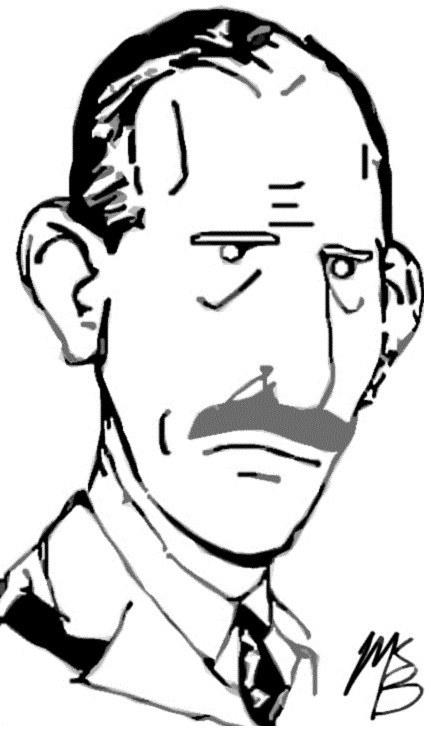
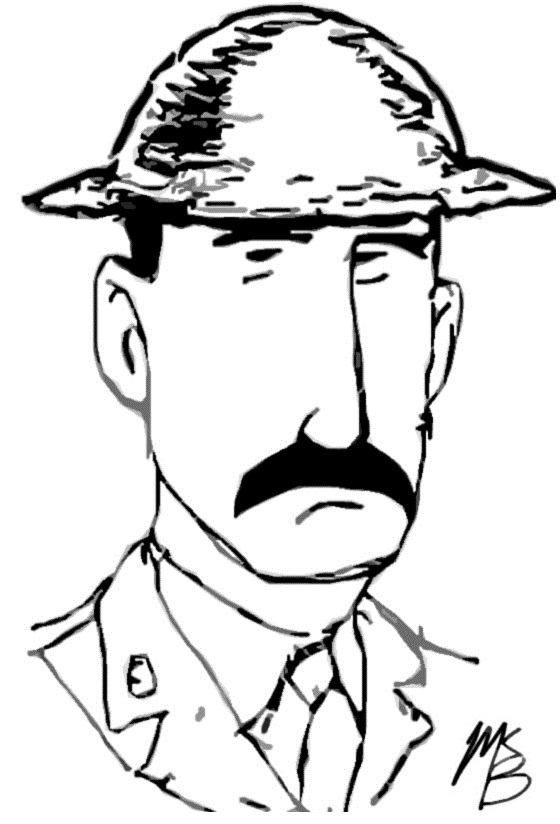
Lieutenant Colonel B. O. Hooper, M.C.
20th (Central Ontario) BattalionHooper

Remembrance Day in a sane world should be to remember the character of the enemy.

Remembrance Day should not be a mockish, sentimental thing. If the English race would remember more of what happened, they would remember that they are dealing with a people that speak in a different language.

(Hooper, Globe and Mail, 11 Nov 1938, 15)

Bertram Osmer Hooper was a Hamilton banker and member of the 13th Royal Regiment. He was born on 20 August 1879 in Churchville, Ontario. He volunteered in November 1914 as a subaltern in John McLaren’s 19th Battalion. He distinguished himself at the front and won the Military Cross for a leading a daring trench raid in January 1916.

Continue reading

The Tax Man

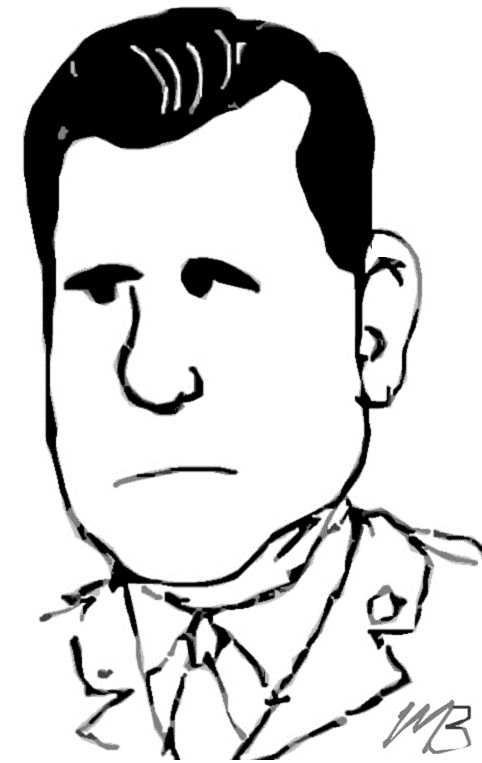
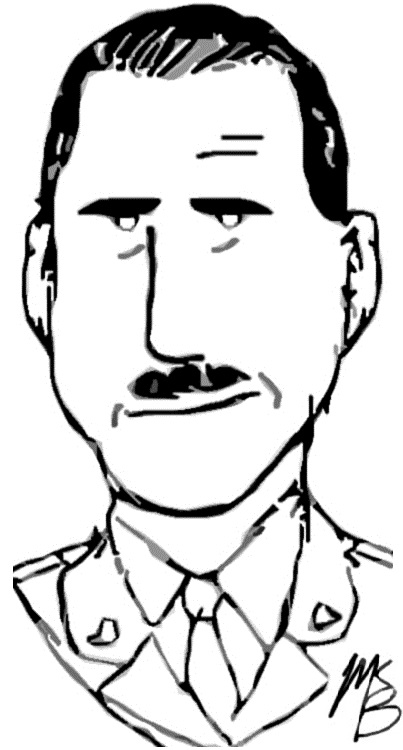
Lieutenant Colonel J. J. Glass
252nd (Lindsay) Battalion

War brought with it conscription—not as we used to see it, as the last horror of military tyranny, but as the crowning pride of democracy. An inconceivable revolution in the thought of the English speaking peoples has taken place in respect to it. The obligation of every man, according to his age and circumstance, to take up arms for his country and, if need be, to die for it, is henceforth the recognized basis of progressive democracy.

(Stephen Leacock, The Unsolved Riddle of Social Justice, 1920)

James John Glass was a customs collector born on 12 November 1872 in Mariposa Township, Victoria County. Beginning in late 1916, Glass, a captain with the 45th Regiment, attempted to raise a battalion from Lindsay. However, the home county of Militia Minister Sam Hughes had supplied most of its young men for the earlier battalions. With the volunteer system nearly at an end, Glass managed to recruit just over one hundred men.

Continue reading

The Niagara Guard

Lieutenant Colonel W. R. Turnbull
19th (Central Ontario) BattalionTurnbull

He had the interests of the men ever at heart, and would do anything to procure them comfort and security.

(Toronto Star, 22 May 1919, 8)

William Robert Turnbull was a 13th Regiment militia officer and founder of the 91st Argyll and Sutherland Highlanders. He was born in Hamilton, Canada West, on 9 January 1865. From November 1914, he served as second-in-command with the 19th Battalion under Lieutenant Colonel John I. McLaren.

Continue reading

The Dragoon

Lieutenant Colonel C. T. van Straubenzee †
Royal Canadian DragoonsStraubenzee

It was the C.O.’s intention to ride with “B” Sqdn. Whilst he was walking to his horse from a point where he had been reconnoitring, he was killed by a shell.

(R.C.D. War Diary, 9 Oct 1918, 9)

Born on 17 June 1876 in Kingston, Ontario, Charles Turner Van Straubenzee was a professional soldier and veteran of the Boer War. In 1897, he joined the Royal Canadian Dragoons as a lieutenant and distinguished himself in numerous battles during the South African campaign. He was promoted to major in 1911.

Continue reading

The Opposition

Lieutenant Colonel Thomas B. Welch
99th (Essex) Battalion Welch

We recruited more than three thousand men here, and could have gotten as many more had not the Government put an end to voluntary enlistment by throwing a political monkey wrench into the machinery.

It was for the same reason that the county battalions, one of which I took to England, were broken up into drafts for other units.

(Welch’s Speech, Toronto Globe, 7 Dec 1917, 12)

Thomas Baird Welch was a chemist and commanding officer of the 26th Middlesex Light Infantry. He was born on 10 April 1867 in Kilwinning Scotland. He went overseas with the First Contingent in October 1914 and served as a major with the 1st Battalion in France from April to May 1915. He joined the 1st Division command staff until he returned to Canada in December 1915 to raise the 99th Battalion.

Continue reading

The Last Call

Lieutenant Colonel L.T. Martin
257th (Ottawa Railway Construction) BattalionMartin

Ordered to Stop Recruiting

…Make your application without day’s delay. Battalion goes DIRECT to France to railroads. Physical test easier. Age limit 18 to 48. This is a hurry call. It is your last chance to join the 257th. If you don’t join immediately you will lose your chance to get in. Cooks and rockmen especially wanted. Last chance to go to France with Lt-Col. Lawrence Martin.

(Ottawa Journal, 8 Feb 1917)

Born on 11 June 1884 in Arnprior, Ontario, Lawrence Thomas Martin was a Renfrew County railway contractor. In December 1916, he was selected to recruit for the 257th Railway Construction Battalion, was one of the last numbered volunteer units. The 257th sailed for England in February 1917. It was re-designated the 7th Battalion in the Canadian Railway Troops once deployed to France.

Continue reading

The Stand-patter

Lieutenant Colonel John. I. McLaren
19th (Central Ontario) BattalionMcLaren

“I don’t matter at all,” he said in a personal reference, “but the men who do matter are the privates and corporals who have gone through the Gethsemane of the front line trenches without a worry, save the worry they have about their dependents at home being cared for. These men and their families will demand that men who have given service to their country without profit to themselves shall represent them in the next Parliament..”

(McLaren, Toronto Globe, 3 Nov 1917, 4)

In anticipation of a possible wartime election, on 28 May 1915, the Liberal Party nominated John Inglis McLaren to run in Hamilton West. McLaren had just departed Canada in command the 19th Battalion. By the time of the December 1917 federal election and the formation of the Union Government, Liberals and Tories implored McLaren to withdraw in favour of a civilian Unionist nominee. He refused and contested the race as a soldier-candidate.

Continue reading

The Lieutenant Governor

Lieutenant Colonel Harry Cockshutt
215th (38th Dufferin Rifles) BattalionHCockshutt

War should be non-existent. But before that I would have one war–to clean up Moscow.

(Cockshutt, Toronto Globe, 21 Nov 1930, 1)

I still see Canada as the greatest country and Ontario as the greatest Province. I am optimistic of the future.

(Cockshutt, Globe and Mail, 8 July 1939, 4)

Born in Brantford, Ontario, on 8 July 1867, Henry Cockshutt was a successful merchant and manufacturer of farming implements. His older brother William Foster Cockshutt was Conservative MP for Brantford and honorary colonel of the 125th Battalion. In early 1916, Henry Cockshutt was authorized to raise the 215th from his hometown.

Continue reading