The Ambassador

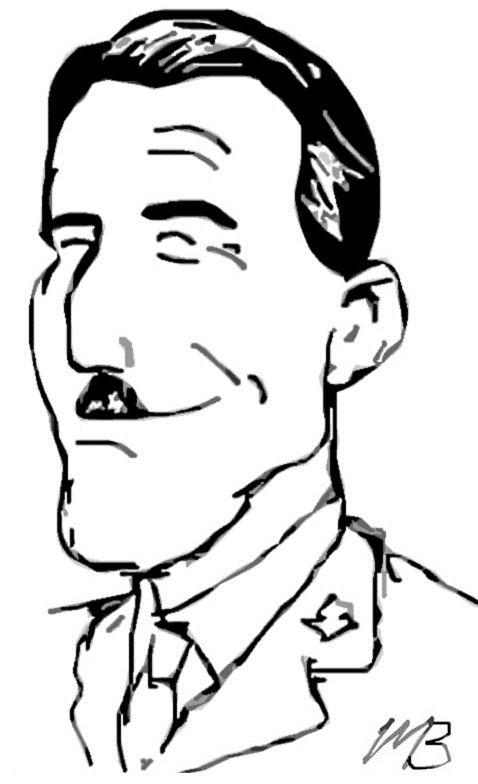
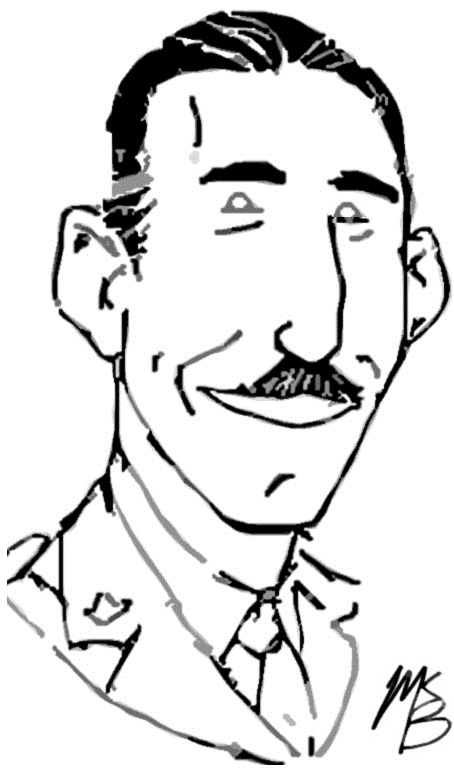
Brigadier General Victor Odlum 7th
(1st British Columbia) Battalion Odlum
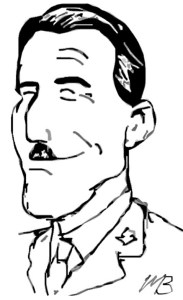
Victor Wentworth Odlum was a curious specimen. Warfare fascinated him. It was said that he had taken to peacetime soldering because it presented an interesting problem, that he had set himself the task of mastering the psychology of war.

(Pierre Berton, Vimy, 1985, 114)

Victor Wentworth Odlum was a prominent journalist, businessman, diplomat and media tycoon. Born in Cobourg, Ontario on 21 October 1880, he moved to British Columbia as a young man to become a reporter and later editor for the Vancouver Daily World. A veteran of the Boer War and member 6th Regiment, he volunteered with the 7th Battalion in September 1914. He deployed to France as second-in-command.
Continue reading

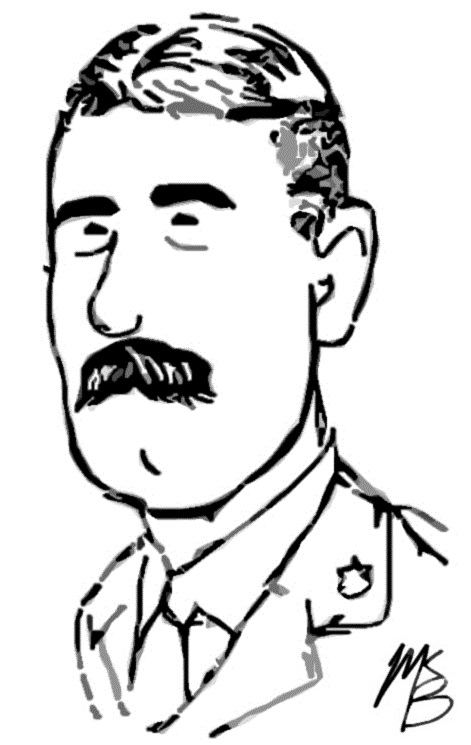
The Soldier o’ Fortune

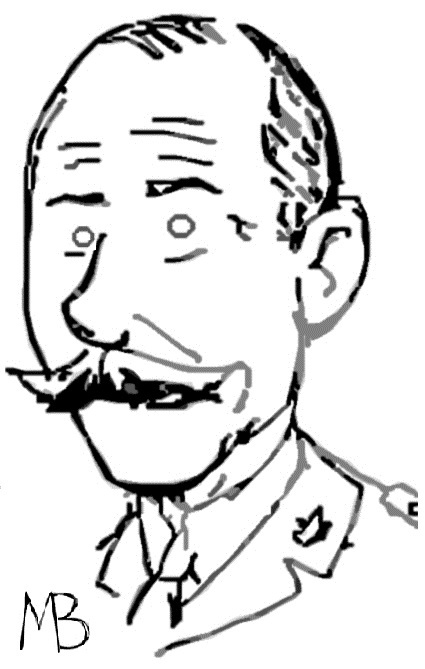
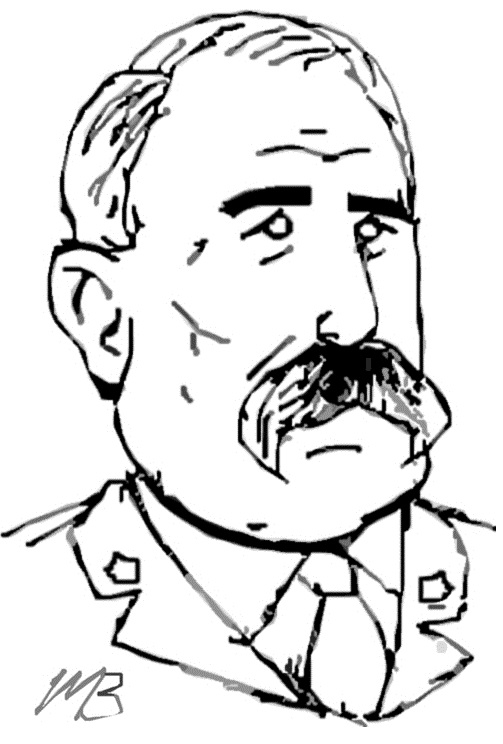
Colonel Jack Leckie, D.S.O.
16th (Canadian Scottish) BattalionLeckie_J

Colonel “Jack” was dashing, impulsive, with the stocky build which indicated great reserves of physical strength, and the temperament of the man of action ready for any adventure. And of adventures he had more than the considerable share which generally is met with by members of his calling. He passed along the most beaten paths of land, sea and air, and ventured on others, of which the majority of humankind know nothing outside of story books.

(Urquhart, History of the 16th Battalion CEF, 1932, 97)

Born in Acton-Vale, Quebec on 19 February 1872, John Edwards Leckie was a soldier, mining engineer, adventurer, world traveler and treasure hunter. In August 1914, he joined the 16th Battalion and served as second-in-command to his brother, Lieutenant Colonel R. G. E. Leckie. Both had graduated from the Royal Military College and served in the Boer War. Jack had won the Distinguished Service Order for gallantry in the South African campaign.

Continue reading

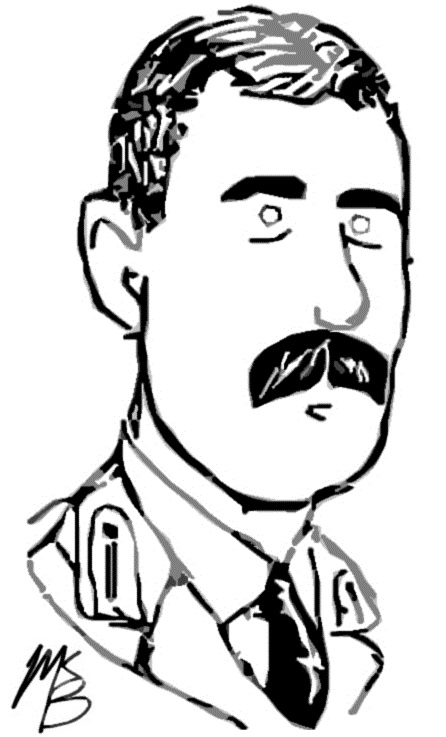
The Quiet Man

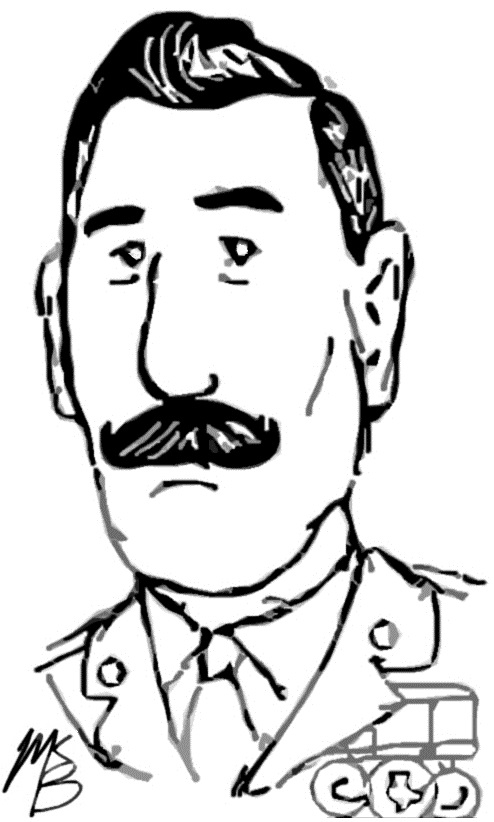
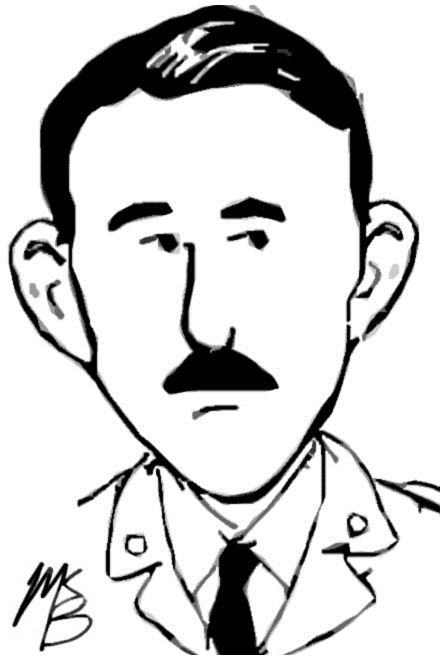
Brigadier General R. G. E. Leckie
16th (Canadian Scottish) BattalionLeckie_R

Spare of figure, short of stature, with an almost ascetic type of face, a trait which was accentuated rather than disturbed by the scar on the cheek received when he was mauled by a leopard in a big game hunt in Somaliland, the original Commanding Officer of the 16th was of a reserved disposition, even shy. In action he was cool and observant; he talked, and gave his orders, in a conversational tone. He showed not the slightest sign of irritation; and what such a temperament means in battle only the soldiers who have been through the turmoil of it can truly estimate.

(Urquhart, History of the 16th Battalion CEF, 1932, 97)

Born in Halifax on 4 June 1869 Robert Gilmour Edwards Leckie was a soldier and mining engineer in British Columbia. He graduated from the Royal Military College, served in South Africa and Somaliland, and organized the 72nd Seaforth Highlanders in 1910. During a safari on the Somaliland frontier in 1904, a wild leopard attacked him. Of the incident Leckie explained, “I brought the skull and skin home with me.”

Continue reading

The Concussed

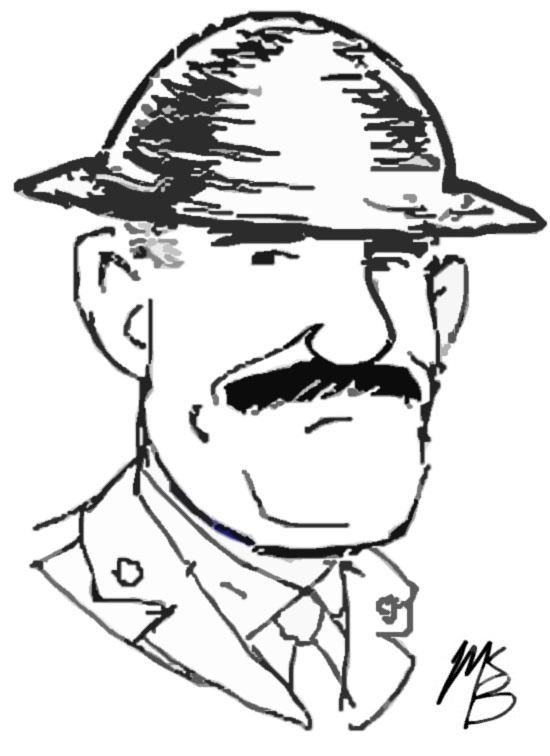
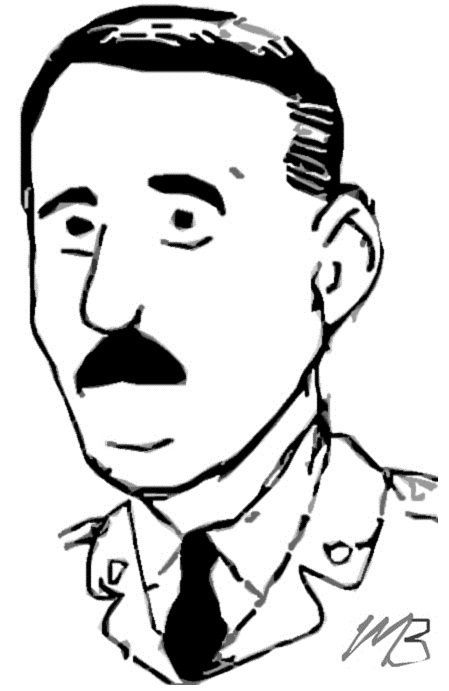
Lieutenant Colonel William M. Davis
54th (Kootenay) & 2nd Pioneer BattalionsDavis

He complains that he cannot apply his mind to things. Until lately, he could not even with difficulty read a novel.

Memory seems clear but patient seems absent minded.

For some time after accident could not read letters or figures unless he traced them with his fingers. At the same time there was evidently some disorientation. He was continually getting lost.

(Medical Case Sheet, 26 Feb 1917)

In 1880, William Mahlon Davis graduated with the first class from the Royal Military College in Kingston. He ranked fourth among the original eighteen cadets. Davis was born on 26 May 1857 in Malahide Township, Canada West. A member of the militia since his schooldays in 1876, Davis organized the 24th (Grey’s Horse) Regiment in 1908.

Continue reading

The Anti-Bolshevik

Lieutenant Colonel J. W. Warden, D.S.O.
102nd (Warden’s Warriors) BattalionWarden

Left my batt. & France for England. 8 am, this is the hardest thing I ever had to do in my life. I have the best Batt. in France, there never were men tougher, braver more loyal, more capable, more loved by CO, the finest fighters. It just about broke my heart, I could not say goodbye to a single one. God, how I loved them.

(Warden Diary, 8 Jan 1918)

Born on 8 November 1871 in Baywater, New Brunswick, John Weightman Warden was a British Columbia broker and veteran of the Boer War. He was among the first to enlist after the declaration of war in August 1914. Describing his experiences fighting with the 7th Battalion in the trenches, he explained, “The Boer War was nothing compared with this war. I had been in South Africa, but I found that I knew nothing about war at all.”

Continue reading

The Ruthless

Brigadier General John M. Ross
29th (Vancouver) Battalion JMRoss

At the end of September 1916, twenty German prisoners were transferred from the 28th Battalion to the 29th under the command of John Munro Ross. After only eleven prisoners arrived to the “Corps Cage,” the 6th Brigade command staff began to make inquiries. Ross clarified the situation:

“The enemy party mentioned ran into bad luck and after a misunderstanding with one of my L.G. [Lewis Gun] crews they were too dead to be used as prisoners.”

Continue reading

The Lawyer

Lieutenant Colonel Henry S. Tobin, D.S.O.
29th (Tobin’s Tigers) BattalionTobin

Colonel Tobin bore testimony to his appreciation of what all those connected with the 29th had done. They had, he said, received splendid support in looking after the sick and wounded and the prisoners of war, and I know he was looking carefully—being a lawyer—after the money that has been so generously sent out to.

(Rev. C. O. Owen, 29th Bn., The Gold Stripe, 1919, 65)

Henry Seymour Tobin was a graduate of the Royal Military College and served with Lord Strathcona’s Horse in the Boer War. He was born in Ottawa on 12 January 1877. After the South Africa campaign, he became a lawyer in the Yukon, Alberta and British Columbia. A major with the 72nd Seaforth Highlanders, Tobin organized the 29th Battalion from Vancouver in early 1915.

Continue reading

The Chemist

Lieutenant Colonel John A. Hall
30th (Victoria Fusiliers) Battalion Hall

He retired to British Columbia after the war and worked in his private laboratory, but several times ”threatened,” in his impulsive and outspoken way, to come back to England and help to “clear up the mess.”

(Journal of the Chemical Society, 1932, 2993)

John Albert Hall was born in Manchester England on 24 August 1868. After studying chemistry at Owen’s College, he worked for the Clayton Aniline Company, a manufacturer of dyestuffs. In 1893, Hall and two colleagues established a chemical and acid factory in Victoria, British Columbia, which later merged with Canadian Explosives Ltd. In 1899, Hall joined the 5th Regiment, becoming the commanding officer in 1903. Major Arthur W. Currie succeeded him in 1909.

Continue reading

The Cemetery Keeper

Lieutenant Colonel J. M. Prower, D.S.O.
8th (90th Winnipeg Rifles) BattalionPrower

I am pretty well all right but am scared of my nerves going, as I seem to be getting confoundedly jumpy. I suppose my “blow up” at Festubert and having been buried by Johnsons five times since, is what is worrying me, though why I cannot say, as it happens to most people.

(Prower to Aunt, July 1915)

John Mervyn Prower was born on 8 March 1885 in Quebec but grew up in England. After serving for seven years in the British Army, Prower returned to Canada and settled in British Columbia, where he joined the 31st Horse. In September 1914, he was selected captain of “H” Company in the 8th Battalion under the command of Lieutenant Colonel Louis Lipsett. He quickly gained a promotion to major in summer 1915 and later assumed command of the 8th on 3 August 1916.

Continue reading

The Adjutant General

Lieutenant Colonel H. H. Matthews, D.S.O.
8th (90th Winnipeg Rifles) BattalionMatthews

General Matthews had been one of ray closest friends since the First Great War. We are going to greatly miss his advice and help at National Defence Headquarters. He was a man with a most lovable character, who was friendly with people and in turn inspired their friendship. In France and Belgium he was a first class fighting man and in peace-time he was also a first-rate officer. Few officers in either peace or war were more efficient.

(Gen. T. V. Anderson’s statement, Ottawa Journal, 13 May 1940, 15)

Born on 22 May 1877 in Lower Harford, England, Harold Hallord Matthews immigrated to Vancouver in 1894. He became a cattle rancher and joined the British Columbia Horse. He fought in France with Louis Lipsett’s 8th Battalion until he was wounded at Second Ypres in April 1915. He rejoined his unit five months later and was appointed commanding officer on 28 September 1915 following the elevation of Lipsett to the 2nd Brigade.

Continue reading