Lieutenant Colonel J.A. Scroggie, D.S.O., M.C.
16th (Canadian Scottish) Battalion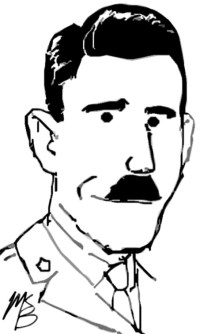
Some correspondents have stated that trench warfare days were days of monotony broken by half-hours of Hell. While that is exaggerated it is in a sense true.
(Lt. Col. Scroggie speech, Kingston Standard, 7 Mar 1922, 2)
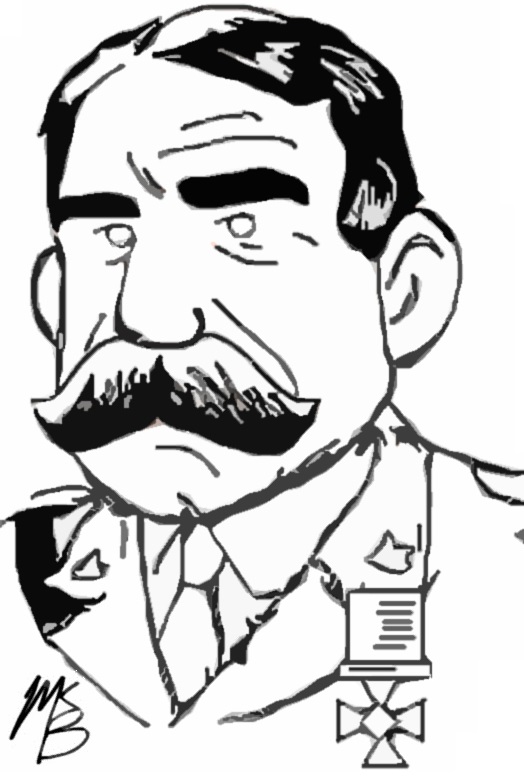
Born in Scotland on 4 August 1890, James Austin Scroggie immigrated to Canada in 1911 and took up fruit farming in British Columbia. He enlisted with the 30th Battalion as a private in November 1914, and joined the 16th Battalion in the field on a reinforcement draft six months later. Having proven himself as the NCO leader of the bombing section, he was commissioned a lieutenant on 12 May 1916. By the end of the war, he was twice-wounded, three-times mentioned in dispatches, and earned the Military Cross and two Bars.
 World War Graphic History