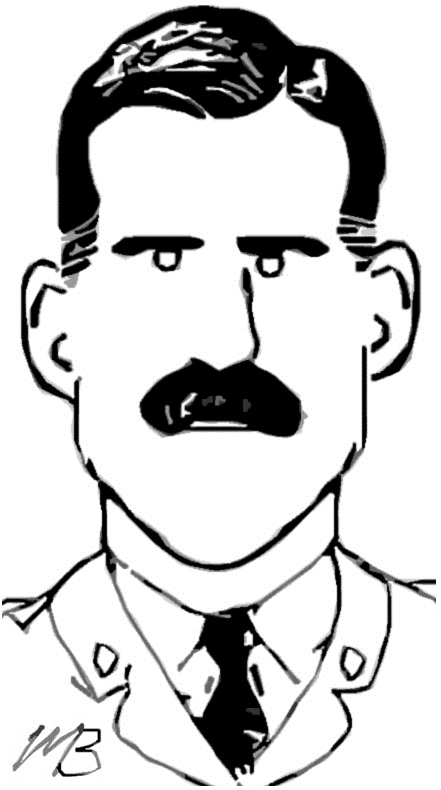
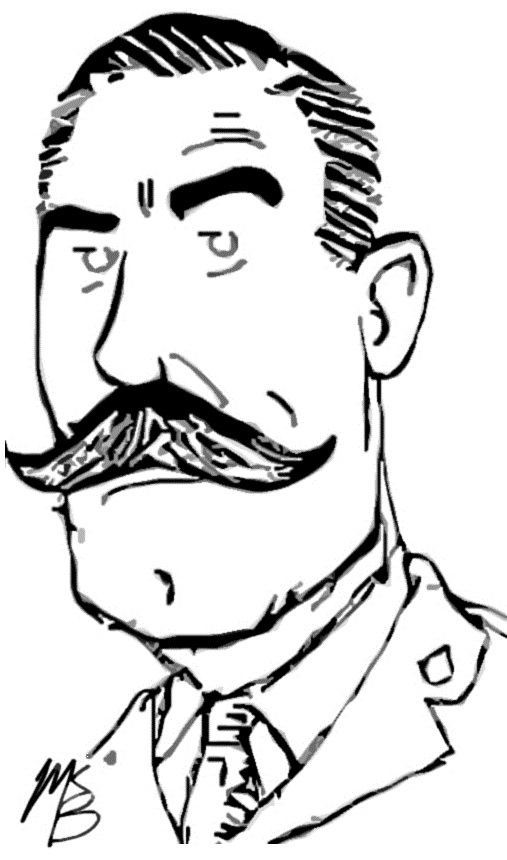
Lt. Col. Green

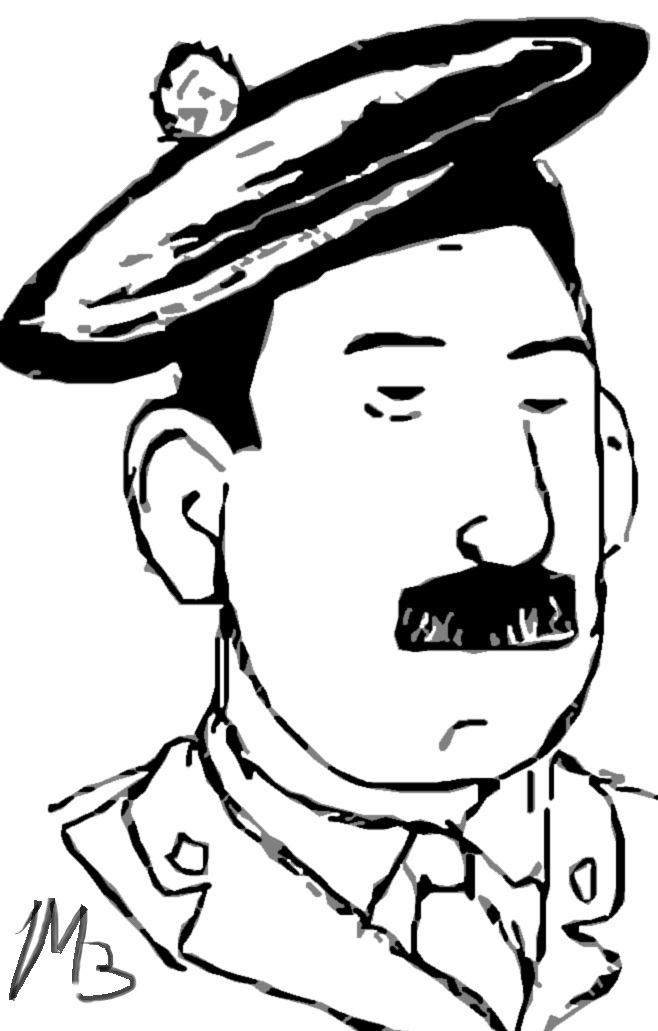
Lieutenant Colonel W.J. Green
91st (Elgin) Battalion
Green

We learned that the possibility of out going to France intact was remote. It appeared that the C.O. with the most pull with old Sir Sam Hughes had the best chance to keep his command and as our C.O., Col. Green, was never given to cringing and kow-towing to the war time brass hats, he, of course, was not one of the favored ones.

(Harold Becker, 91st Bn., Memoirs, 161)

William James Green was a Boer War veteran and member of the 25th Regiment since 1893. He was born in St. Thomas, Ontario on 8 October 1875. In December 1915, Green was authorized to raise the 91st Battalion based in his hometown and raised from Elgin county.
Continue reading

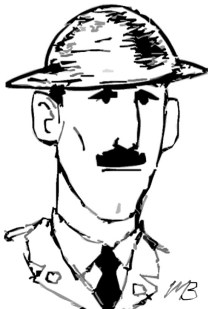
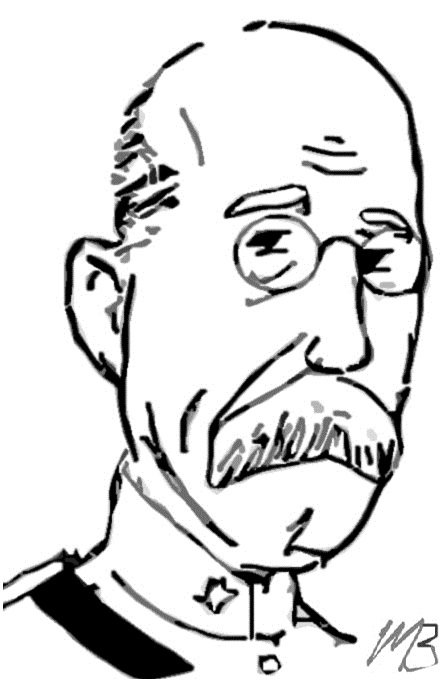
Lt. Col. Hodson

Lieutenant Colonel George C. Hodson, D.S.O.
1st (Western Ontario) Battalion
Hodson

I have perhaps foolishly put my Country and the Cause before my personal interests in the past but my patience is now absolutely exhausted and I am out to get justice, one way or the other. I have already lost all a soldier can lose and that is ‘his reputation as a fighting soldier’ … All I have asked is to be returned to the front with my rank or else given a decent appointment in England or Canada with some promotion.

(G.C. Hodson to Gen. Ashton, 20 Apr 1918)

After the death of Lieutenant Colonel Frank A. Creighton on 15 June 1916 during the battle of Mont Sorrel, the 1st Battalion was left leaderless and disorganized. Unable to find a suitable replacement from within the battalion or from another frontline unit, Major-General Arthur Currie needed to look to a surplus senior officer in England. He found George Cuthbert Bethune Hodson, former commander of the 9th CMR, which had been broken up some months earlier.

Continue reading

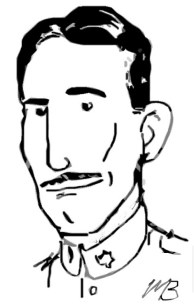
Lt. Col. Leach

Lieutenant Colonel Francis Leach
231st (Seaforth Highlanders) Battalion

Before very long you will be going overseas–an event to which I know you have all been anxiously looking forward, and you will then have the honour of taking your place beside the brave lads who have preceded you.

(Lt. Col. Leach, January 1917)

Francis Easton Leach was a graduate of the Royal Military College and a veteran of the Boer War. A native of Montreal, he was born on 24 November 1875. After doing survey work in South Africa, he was employed as a railway engineer in British Columbia. He joined the 72nd Regiment after the outbreak of the Great War and was eventually authorized to raise the 231st Battalion from Vancouver in 1916.

Continue reading

The Social Drinker

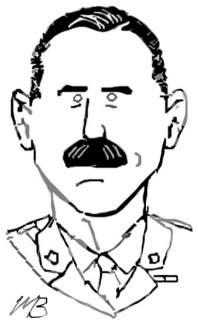
Lieutenant Colonel J. C. L. Bott
2nd Canadian Mounted RiflesBott

I was not drunk on the 3rd of Oct 1916 … I had nothing to drink since 12:30pm on that day. I had a drink in the morning with Major Laws and I had three more … I brought a bottle of whiskey on the morning in question … As a rule I take about five drinks a day. Spread out through the day. I never have a drink alone.

(Lt. Col. Bott, general court martial, 7 Nov 1916)

Born in Marden, Wiltshire, England on 24 August 1872, John Cecil Latham Bott was a professional British soldier and cavalryman. He was a member of the 20th Hussars from 1895 to 1909, and served in Egypt and South Africa. He immigrated to Vernon, British Columbia some years after the Boer War and helped to organize the 30th Horse, which he commanded at the outbreak of the First World War.

Continue reading

Lt. Col. Gardner

Lieutenant Colonel Stan Gardner, M.C.†
7th (1st British Columbia) Battalion
Gardner

Lieut.-Col. Gardner is known and respected not only as a fighting man and successful officer, but also a true friend to the soldier who does his duty as it should be done.

(Daily Colonist, 15 Sept 1916, 5)

Born in London, England on 22 August 1880, Stanley Douglas Gardner was a member of the 22nd London Regiment before immigrating to British Columbia. A veteran of the Canadian Mounted Rifles in the Boer War, he enlisted as a captain with the 7th Battalion in September 1914. Stanley was soon appointed battalion adjutant but he was seriously wounded at Festubert on 25 May 1915 and invalided to England. Continue reading

The Prisoner

Lieutenant Colonel J.F.H. Ussher
4th Canadian Mounted Rifles
Ussher

In view of the foregoing the people who are providing the taxes for this well-deserved bonus to the soldiers should insist that all strings to the payment should be removed. Don’t let some Government appointee be the sole judge– the soldier’s record of service must decide!

(Ussher to Globe and Mail, 18 Aug 1944, 16)

During the battle of Mont Sorrel on 2 June 1916, John Frederick Holmes Ussher became trapped in a collapsed tunnel during heavy German shelling. He was wounded and captured. He spent the next two and a half years a prisoner of war. Born in Toronto on 27 October 1872, Ussher was a stock broker and Boer War veteran. A nine year member of the Queen’s Own Rifles and ten year member of the 9th Mississauga Horse, he enlisted as major of ‘C’ Squadron in the 4th CMR. Continue reading

The Scoundrel

Lieutenant Colonel W.H. McKinery, D.S.O.
66th (Edmonton Guards) Battalion
McKinery

All rotters are eventually found out and you will be glad to hear that McKinery has been cashiered for using his Battalion funds for his own purposes and we have heard the last of him in the B.E.F.

 (Agar Adamson to Mrs. Mabel Adamson, 2nd Feb 1916, 138)

When William Herbert McKinery enlisted in Princess Patricia’s Canadian Light Infantry, he claimed to have been born in Waterford, Ireland on 5 April 1878. He also used his father’s first name, John, when filling out the attestation papers. McKinery was actually born on April 5, 1875 in Melbourne, Australia. Believing that he would be rejected as overage, the forty-year old Australian had falsified personal information in order to fight overseas.

Continue reading

Brig. Gen. Ketchen

Brigadier General Huntly Ketchen
6th Infantry Brigade

Ketchen

Gather round, boys, I want to have a little talk with you. You’ve been under my command about nine months now, and I’ve always been proud of you, and now you are going up the line, and I want to say this to you: Don’t go up with any idea that you are going to be killed—we want you all to take care of yourselves and not expose yourselves recklessly.

 And remember a dead man is no use to us, we want you alive, and when we want you to put your heads up, we’ll tell you! And I’ve no doubt that you will only be too eager.

(Ketchen’s Speech, quoted in Pte. Jack O’Brien, Into the Jaws of Death, 1919, 54)

The son of an Indian Army officer, Huntly Douglas Brodie Ketchen was born in Sholopore, India on 22 May 1872. After graduating from the Royal Military College at Sandhurst, England, Ketchen moved to Canada, joined the North West Mounted Police in 1894 and fought in the Boer War. He was appointed to lead the 6th Infantry Brigade in May 1915.

Continue reading

The Old Man

Lieutenant Colonel Robert Palmer, D.S.O.
49th (Edmonton Regiment) Battalion
Palmer

Soldier of the old school, fearless, straightforward, a fighter and a sportsman, sincere with an independency of opinion which frequently got him into trouble with the Staff, especially if it were upon some question that had to do with the welfare of his men—such was the character of the second C.O. of our Battalion.

(The Forty-Niner, Jan 1934, 19)

 Robert Henry Palmer was chief fire ranger and Indian agent in Alberta. Born in Glamorganshire, Wales on 19 February 1868, he immigrated to western Canada as a young man. He was an original member of Lord Strathcona’s Horse and fought in the Boer War. In January 1915, he joined Lieutenant Colonel Griesbach’s 49th Battalion as a company commander. Admired for his toughness and fearlessness on the battlefield, Palmer—who had lowered his age by seven years on enlistment—was affectionately known by his men as “The Old Man.”

Continue reading

The Elder

Lieutenant Colonel F. J. Clark
45th (Brandon) BattalionFJClark

In selecting Col. Clark for this purpose, a wise choice was made in Ottawa. Col. Clark has seen service In military affairs since 1885, when he fought In the 95th battalion during the Riel rebellion. In South Africa, he went through the conflict with profit to his country and honor to himself, and he wears the Long Service medal, attesting the value of his services during 31 years in his country’s duties.

(Winnipeg Tribune, 5 Feb 1915, 37)

Francis Joseph Clark had fought in the North West Rebellion and volunteered for the South African Campaign, though the war ended by the time he had reached Cape Town. He was born on 9 December 1860 in Nottingham, England, where he belonged to the Robin Hood Rifles. He immigrated to Manitoba in the 1882. Former commander of the 12th Manitoba Dragoons, Clark was authorized to raise the 45th Battalion from his home in Brandon in January 1915.

Continue reading