The Patriot

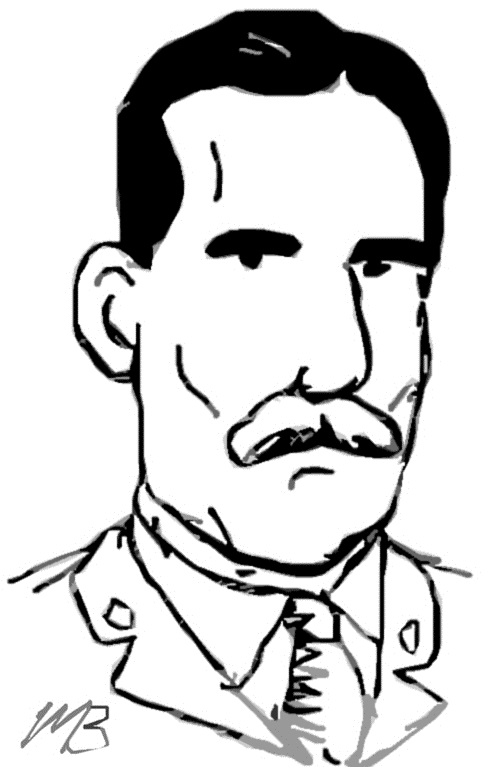
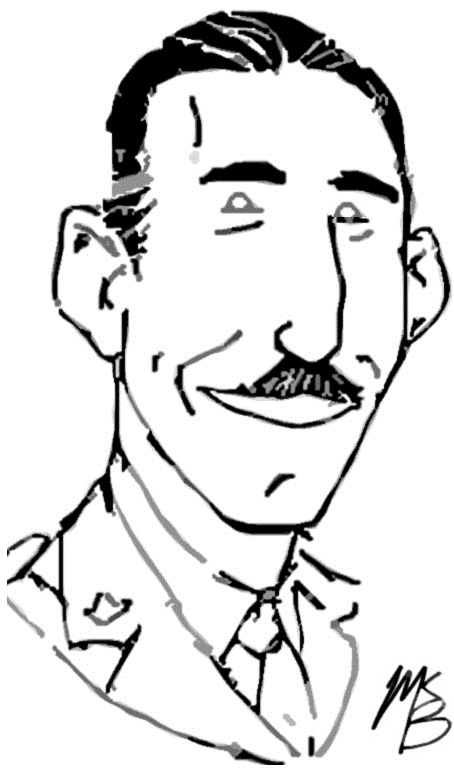
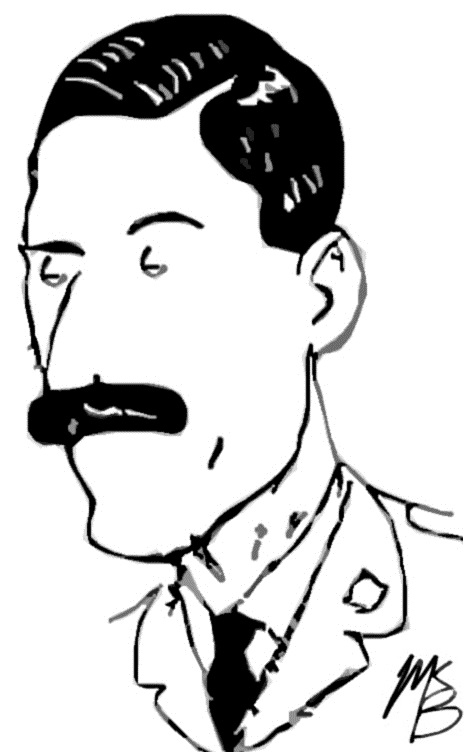
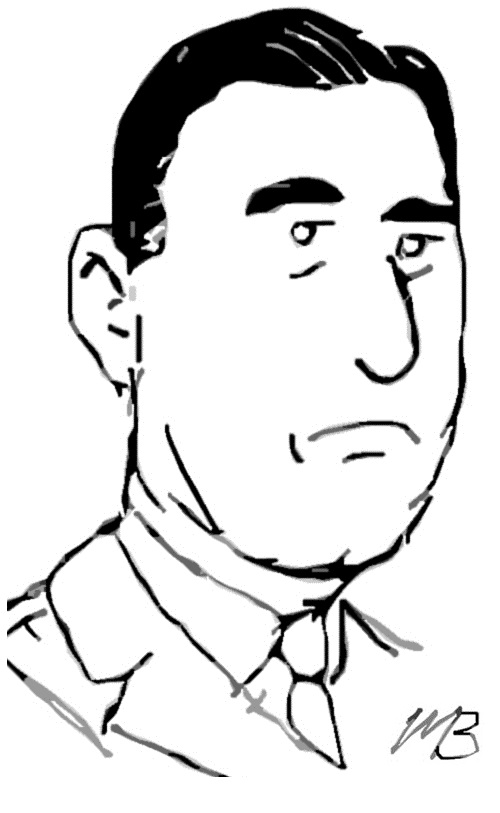
Major Warren M. Sage
211th (Alberta Americans) BattalionSage
Many in this unit have ancestors who fought in 1776 against England, or rather against the tyranny of an English king and against German mercenaries. The descendants of these fighting men of old are proud of their ancestors’ deeds. How could the descendants of those men living through these times of stress, in days to come, answer the very natural questions from their children: “Why did you not fight for the oppressed?”

(S. R. Flowers, The Legion, Dec 1915)

Warren Morrill Sage was an American-Canadian civil engineer and militia officer in Calgary. Born in New York on 28 January 1886, Sage moved to Alberta after graduating from the Columbia School of Mines in 1906. He joined the 103th (Calgary Rifles) Regiment as a private and was reputedly a “crack shot” with a rifle. At the outbreak of the war, Sage joined the 56th Battalion as a captain and later the 137th as second-in-command. After Militia Minister Hughes created the American Legion battalions in 1915, Sage offered to recruit a unit from Alberta and British Columbia.
Continue reading

The Flagbearer

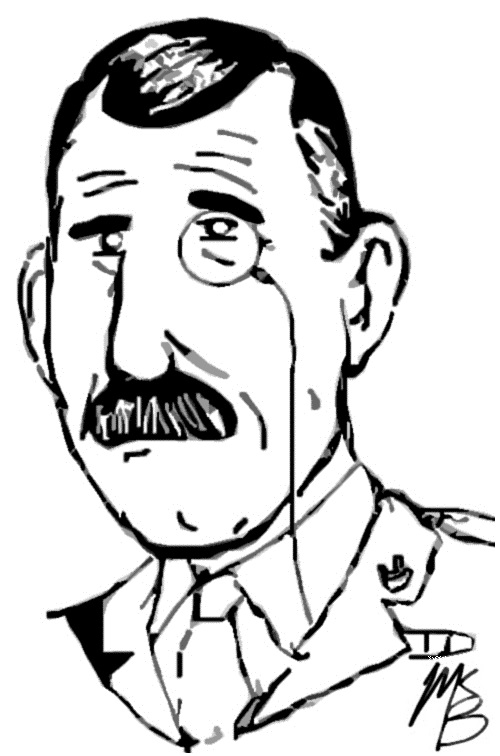
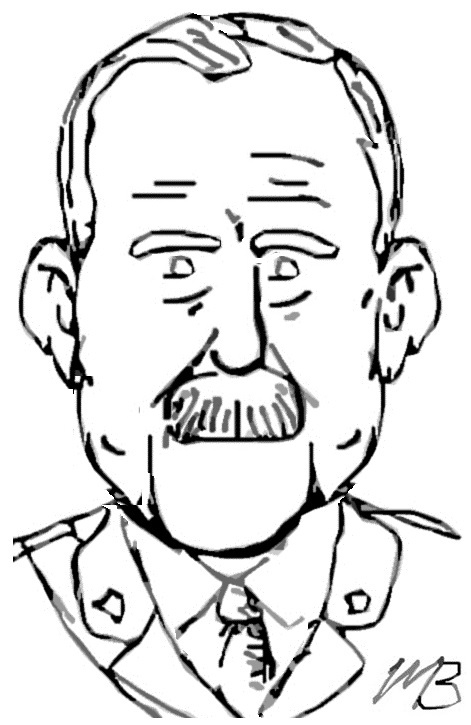
Lieutenant Colonel Paul Tudor, D.S.O.Tudor&
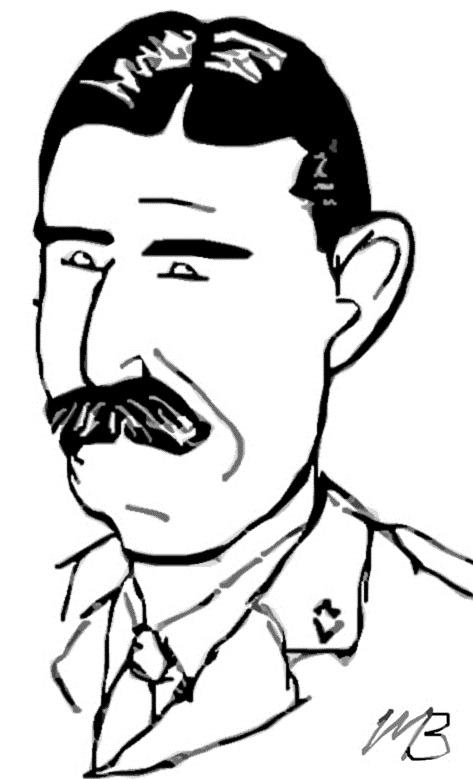
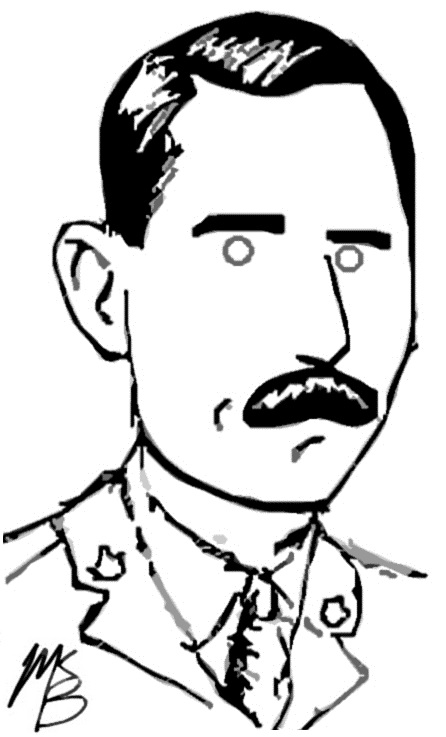
Major Ian Laurie Crawford, D.S.O.
&
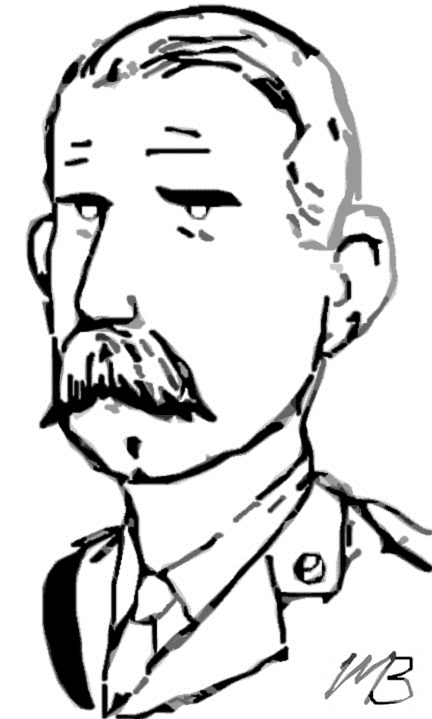
Major John G. Anderson, M.C.
JGAnderson5th (Western Cavalry) Battalion

Major L.P.O. Tudor, D.S.O. to be acting O.C. as from 29-6-17. Major I.L. Crawford to be C.O. during temporary absence of Major L.P.O. Tudor, D.S.O. on leave from 29-6-17. Major J.G. Anderson to be 2nd in Command while Major Crawford is acting as C.O. 29-6-17.

(5th Bn. War Diary, 4 July 1917)

Following the promotion of Hugh Dyer to brigadier general at the end of June 1917, Lorn Paulet Owen Tudor assumed command of the 5th Battalion. A native of England, he was born on 3 July 1876. He had served for three years in the Royal Buckinghamshire Yeomanry before moving to Canada and joining the British Columbia Horse. At the time of his enlistment with Lieutenant Colonel Tuxford’s 5th Battalion in September 1914, Tudor worked as a rancher in Saskatchewan.

Continue reading

The Labourer

To mark the one year anniversary of this website, today’s post features an ordinary private soldier, my great-great uncle, G. W. Barrett.

Private “Bill” Barrett
208th and 102nd BattalionsGWBarrett

Over 80 per cent of the men in my battalion, and at least 80 per cent of the men in any battalion, are workingmen, who should really be the last class to be called upon. The average workingman slaves night and day to get a bare living for his wife and family, but it is the workingman who is giving lustre and glory to the name of Canada.

(T. H. Lennox, Toronto Globe, 6 Nov 1916, 4)

George William Barrett was born in Peterborough, England on 5 November 1897. He immigrated to Canada with his family in 1907 and worked as a labourer in Toronto. Standing only five-foot-three, George volunteered with the 208th Irish Fusiliers, commanded by York North MPP Lieutenant Colonel Thomas Lennox on 5 April 1916. Several weeks later, his underage brother Harry Barrett enlisted with the 204th Beavers commanded by Lieutenant Colonel William Herbert Price, another Toronto MPP.

Continue reading

The Maverick

Lieutenant Colonel Agar Adamson, D.S.O.
Princess Patricia’s Canadian Light InfantryAdamson

What really makes a real man? The best men I have known always openly say they are cowards and hate the situation they find themselves in and really are afraid, perhaps it is partly their education which helps them to realize the danger, but there is a great deal in being one of a long line of soldiers in a family, although this only partly accounts for it, for men who never saw a soldier and for generations have led useless lives, have behaved in a similar manner when put against it out here...

(Agar Adamson to Mabel Adamson [wife], 4 Mar 1915)

Agar Stewart Allan Masterton Adamson was the first Canadian-born commander of Princess Patricia’s Canadian Light Infantry. A native of Montreal, he was born on 25 December 1865. A member of an influential family, Adamson became a socially connected civil servant and militia officer in Ottawa. Despite being forty-eight and having poor vision, in August 1914 the Boer War veteran enlisted as a captain with P.P.C.L.I. under Lieutenant Colonel Farquhar.

Continue reading

The Superhuman

Lieutenant Colonel A. E. G. McKenzie, D.S.O. †
26th (New Brunswick) BattalionMcKenzie

…he followed the immediate centre of his Battalion, and seeing his men held up by most destructive fire of all kinds, he pushed forward to personally lead them and was killed while so doing. On the way, prior to his death, he showed an extreme coolness and an almost superhuman courage.

(Capt. McGillivray to 5th Brigade O.C., 26th Bn. War Diary, Aug 1918, 32)

Archibald Ernest Graham McKenzie was a New Brunswick lawyer, Liberal Party campaigner and militia officer. He was born 21 January 1878 in Campbellton, McKenzie served as second-in-command with the 26th Battalion when it arrived in France in September 1915. By May 1916, he had replaced an ill Lieutenant Colonel James L. McAvity as commander of the battalion.

Continue reading

The Independent

Brigadier General Hugh Dyer, D.S.O.
5th (Western Cavalry) BattalionDyer

I thank you for the unanimity with which you have chosen me as your candidate, for without unanimity we cannot get anywhere. Let there be no mistake. I am not agreeing to run as the representative of any particular party. I am not agreeing to run as a representative of any one class or sect. I will not be tied to any hitching ropes. I will not be haltered by any party. If you elect me, you will elect Hugh Dyer. If that is satisfactory to you, I, on my part, pledge myself to do everything in my power in your interests, and will not spare myself as your representative in the house of commons.

(Dyer speech, Winnipeg Tribune, 21 Oct 1921, 2)

Nicknamed “Daddy Dyer” by his men, Hugh Marshall Dyer was the second CO of the 5th Battalion and commander of the 7th Infantry Brigade. Born in Kingstown, Ireland on 28 January 1861, he immigrated to Manitoba in 1881 and built a farm in Minnedosa where he lived for the rest of his life.

Continue reading

The Lawyer

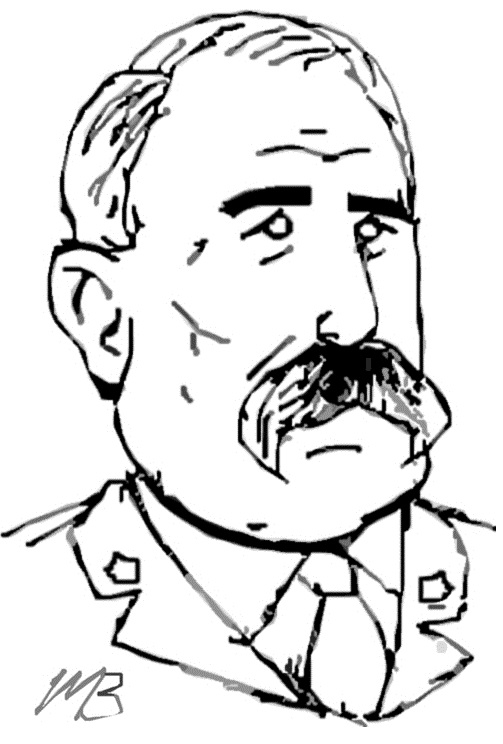
Lieutenant Colonel Henry S. Tobin, D.S.O.
29th (Tobin’s Tigers) BattalionTobin

Colonel Tobin bore testimony to his appreciation of what all those connected with the 29th had done. They had, he said, received splendid support in looking after the sick and wounded and the prisoners of war, and I know he was looking carefully—being a lawyer—after the money that has been so generously sent out to.

(Rev. C. O. Owen, 29th Bn., The Gold Stripe, 1919, 65)

Henry Seymour Tobin was a graduate of the Royal Military College and served with Lord Strathcona’s Horse in the Boer War. He was born in Ottawa on 12 January 1877. After the South Africa campaign, he became a lawyer in the Yukon, Alberta and British Columbia. A major with the 72nd Seaforth Highlanders, Tobin organized the 29th Battalion from Vancouver in early 1915.
Continue reading

The Shame Monger

Lieutenant Colonel George C. Royce
255th (Queen’s Own Rifles of Canada) Battalion  Royce_G

GIVE US HIS NAME
Nearly everyone knows of ONE MAN who should be in khaki to-day. We ask you to give us his name so we can call upon him and give him this opportunity to join an Overseas Battalion—

Doing this does not imply any slur upon the man you name…
That man whose name you give us may be just waiting for this chance…
Take this duty seriously. Do not send us unsuitable or “spite” names…

(255th Advertisement, Toronto Globe, 30 Nov 1916, 5)

Authorized in late 1916, the 255th Battalion was to provide reinforcements for the 3rd Battalion fighting on the frontlines France. The commanding officer, Lieutenant Colonel George Cooper Royce quickly realized the dire recruitment situation in Toronto. Having already provided multiple battalions, and with many more units still trying to enlist men, the Ontario capital had nearly exhausted its reserve of suitable soldiers.

Continue reading

The Immortalized

Lieutenant Colonel Harry Baker, M.P. †
5th Canadian Mounted RiflesBaker

It has been the lot of other nations to have their legislators, their parliamentarians, even their kings put on the uniform of soldiers and go forth to battle and meet a patriot’s death, but so far it has been the lot of Canada only once.

(Arthur Meighen, Debates, 3 Mar 1924, 49)

George Harold Baker was the only sitting Canadian Member of Parliament killed in action during the First World War. Born in Sweetsburg, Quebec on 4 November 1877, Baker was Conservative MP for Brome (1911—1916) and commanding officer of the 13th Scottish Light Dragoons. He died in the battle of Sanctuary Wood on 2 June 1916. He is commemorated with a life-sized bronze statue in the Centre Block of the House of Commons.

Continue reading

The Chemist

Lieutenant Colonel John A. Hall
30th (Victoria Fusiliers) Battalion Hall

He retired to British Columbia after the war and worked in his private laboratory, but several times ”threatened,” in his impulsive and outspoken way, to come back to England and help to “clear up the mess.”

(Journal of the Chemical Society, 1932, 2993)

John Albert Hall was born in Manchester England on 24 August 1868. After studying chemistry at Owen’s College, he worked for the Clayton Aniline Company, a manufacturer of dyestuffs. In 1893, Hall and two colleagues established a chemical and acid factory in Victoria, British Columbia, which later merged with Canadian Explosives Ltd. In 1899, Hall joined the 5th Regiment, becoming the commanding officer in 1903. Major Arthur W. Currie succeeded him in 1909.

Continue reading