The Idler

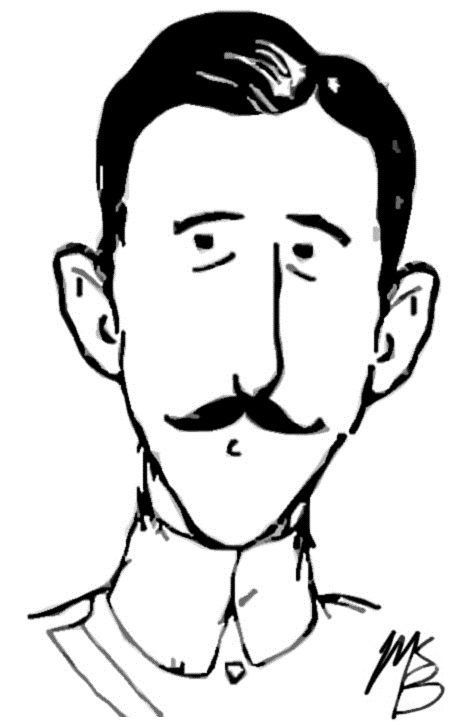
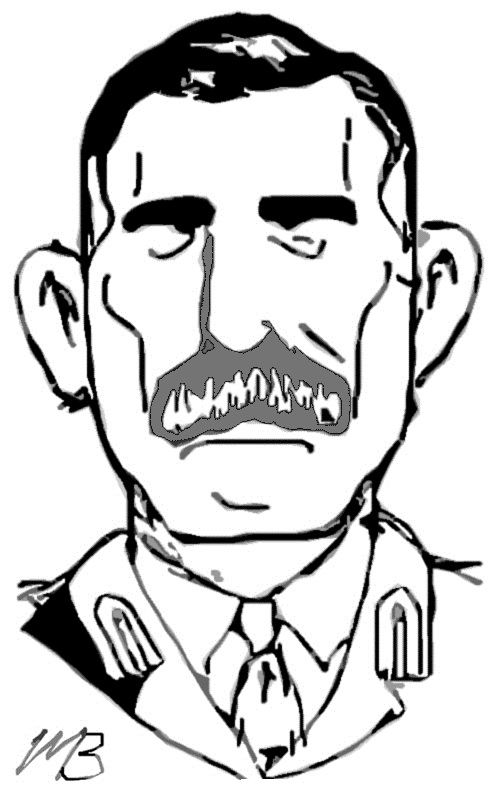
Lieutenant Colonel Donald Sharpe, M.P.P.
176th (Niagara Rangers) Battalion
dsharpe

A large number of officers who will not go to the front, who it is known do not intend to go to the front, and who are deriving pay from the Government simply as officers being practically on a holiday.

(W. M. German, Debates, 6 Feb 1917, 560)

Criticizing the Borden Government’s recruitment system, William Manley German, Liberal MP for Welland referred to the conduct of Donald Sharpe’s 176th Battalion, based in St. Catharines. Sharpe was the Conservative member for Welland in the Ontario provincial legislature. He had won a by-election on 29 June 1914, one day after the assassination of Archduke Franz Ferdinand of Austria.
Continue reading

The Farmer

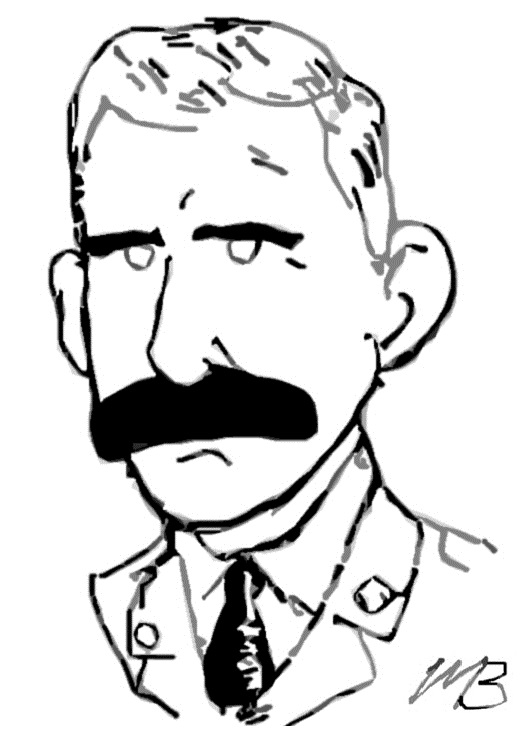
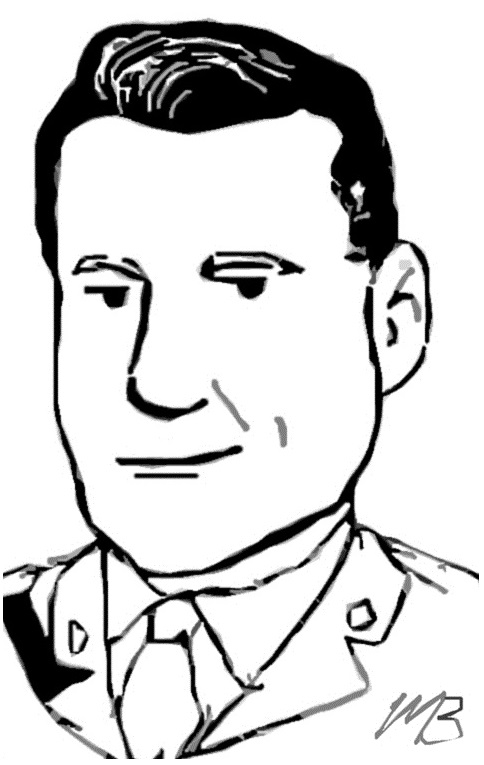
Lieutenant Colonel Bart Robson
135th (Middlesex) Battalion
Robson

Experience teaches that a recruiting meeting in the Country has to be of the nature of an entertainment in order to draw the crowd.

(Robson to AAG, 1st Division, 14 Feb 1916)

Born in London, Canada West on 24 January 1859, T. Bartholomew Robson was a farmer with thirty years’ experience in the militia. As commanding officer of the 26th Middlesex Light Infantry, he was authorized to raise the 135th Battalion from Middlesex County in November 1915. When the unit arrived in England in August 1916, it was broken up and the troops were divided among the 116th, 125th and 134th Battalions.

Continue reading

The Favourite Son

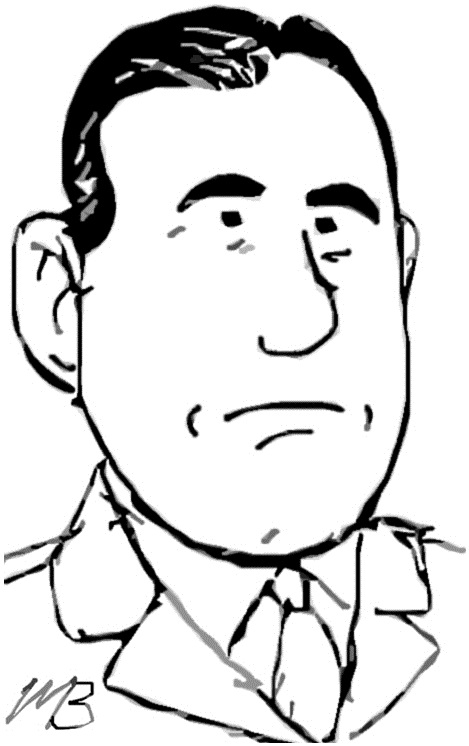
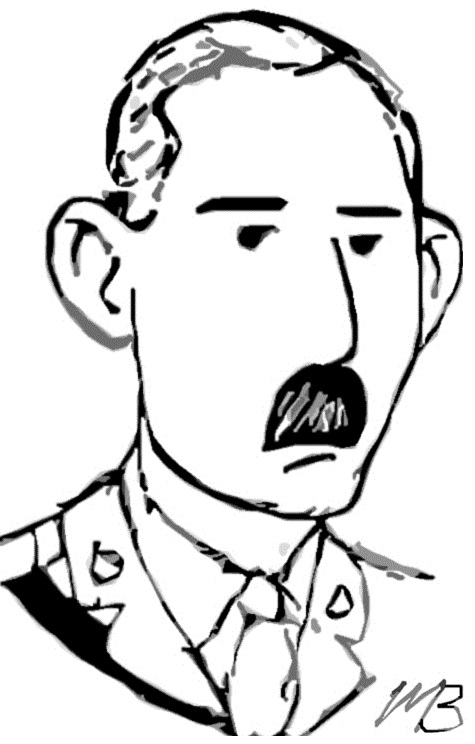
Major General Garnet Hughes
1st Infantry Brigade
HughesG

I was importuned, threatened and bullied. I was told that Garnet Hughes would get the 1st Division, that there was a combination in England and Canada for him, that neither I, nor any man could beat; that his father wanted him to get the position and that God help the man who fell out with his father.

(Currie to E.O. McGillicuddy, c. 1925)

 Garnet Burk Hughes was the son of Militia Minister Sir Sam Hughes. Born in Toronto on 22 April 1880, he was a graduate of the Royal Military College of Canada and a railway engineer. In 1913, he formed the 50th Regiment (Gordon Highlanders) with Arthur Currie. Although Hughes and Currie volunteered together in August 1914 on good terms, their friendship would not survive the war.

Continue reading

The Civil Servant

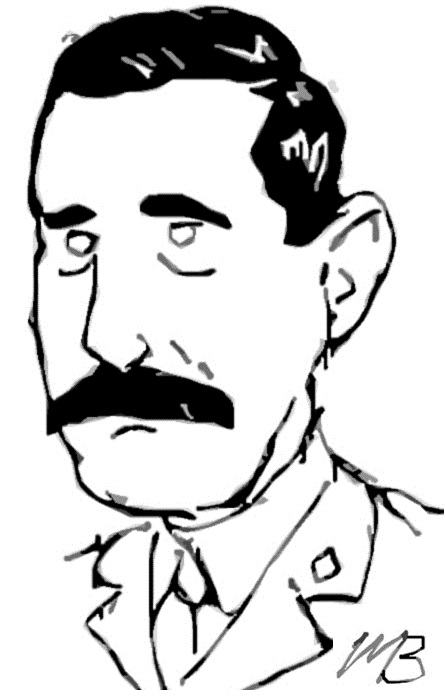
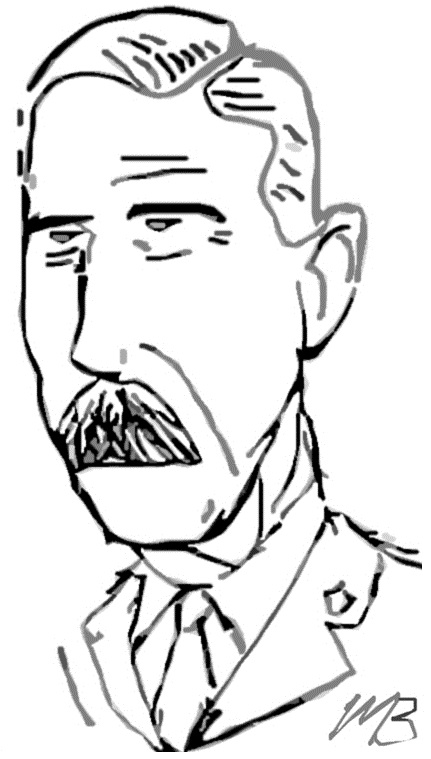
 Lieutenant Colonel J. R. Munro
8th Canadian Mounted Rifles
JRMunro

If Canada’s oldest civil servant (In point of years in Government employment) fails to write his memoirs as his friends are urging, invaluable Canadiana and a unique record of old Civil Service days in Ottawa, and of historic episodes in the environs of the House of Commons in the Eighties and Nineties, will be lost.

(Ottawa Journal, 3 Feb 1944, 5)

John Routh Munro was born in Ottawa on 12 August 1874. He was a venerable civil servant with the Trade and Commerce Department and a commanding officer of the 5th (The Princess Louise) Dragoon Guards. He raised the 8th Mounted Rifles from Ottawa beginning in January 1915.

Continue reading

The Conducting Officer

Lieutenant Colonel Percy Domville
164th (Halton and Dufferin) Battalion
Domville

He has been a faithful officer for many years. I have had no report as to what his misdeeds were as Conducting Officer… His is a sad and serious case as he has a wife and two children and his job with the Westinghouse people was filled when he was away.

(Gen. Mewburn to Gen. Ashton, 8 Apr 1918)

 A native of Belfast, Ireland, Percy Domville was born on 4 June 1867. After immigrating to Canada, he became a mechanical engineer in Hamilton and joined the 13th Regiment. He spent thirty years in the militia and was appointed to the Shell Commission in Ottawa after the outbreak of the Great War.

Continue reading

The Enabler

Lieutenant Colonel Dr. David C. McKenzie
141st (Border Bull Moose) Battalion
DCMcKenzie

It is unfortunately clear that members of the battalion are using drugs, and I am of the opinion that neither Lieut. Col. McKenzie nor Captain George are making any effort to check this pernicious and demoralizing habit.

(Gen. H. N. Ruttan to GOC, MD 10, 21 Apr 1917)

 Born on 30 October 1871 in Hamilton Ontario, David Croal McKenzie was a militiaman, municipal politician and physician. He started a medical practice in the Rainy River District after graduating from the University of Toronto in 1897 and established the first private hospital at Fort Frances in 1902. He was later a six-term mayor of Fort Frances (1906, 1913, 1914, 1915 and 1919).

Continue reading

The Athlete

Lieutenant Colonel C. W. MacLean
207th (MacLean’s Athletes) Battalion
MacLeanCW

We are about to enter into that phase of our career for which we were organized. Our next step takes us overseas where we shall await the call that sends us to the front. When the call comes—it will find us ready and eager, and fit—due to the hard work and enthusiasm of every member of the Battalion.

(MacLean, The Whiz Bang, 18 Nov 1916, No. 20, 1)

Born in Lachine, Quebec on 18 November 1876, Charles Wesley MacLean was a farmer in Pointe Claire and mayor of Brockville. A member of the 13th Scottish Light Dragoons, he first raised the 2nd Reserve Park, C.A.S.C., which he took to England in May 1915. After returning back to Canada, in February 1916 he was authorized to organize the 207th Battalion from Ottawa-Carleton. A noted athlete, football player, swimmer and champion oarsman before the war, MacLean encouraged sports and competition for the 207th.

Continue reading

The Flax Seeder

Lieutenant Colonel E. R. Wayland
44th (Manitoba) BattalionWayland

The evening was spent in many handshakings, as old comradeships were renewed. Many an Incident of the war days was told, as the sight of the familiar faces brought back vivid memories, some joyful, others sad. A large number of members of the association turned out to see again the man who had guided their destinies in France.

(Winnipeg Tribune, 26 September 1931, 3)

Born on 23 March 1869 in London, England, Edward Robert Wayland was an Ontario grain exporter and nine-year member of the 96th Regiment. In October 1914, he led a detachment of troops from Fort William and Port Arthur to Winnipeg, where he was appointed to command the 44th Battalion. The 44th sailed for England in October 1915 and deployed to France in August 1916 as part of the 10th Infantry Brigade, 4th Division.

Continue reading

The Brother

Brigadier General W. St. P. Hughes, D.S.O.
21st (Eastern Ontario) BattalionWSHughes

It was such fighting ability that enabled my 21st Battalion to come home with the record of never having been given a black eye in over four years of active participation in the war. They never went after anything they did not take, and they never gave up anything they captured. Of the original 1058, less than 150 are now alive, most of them buried in Flanders’s Fields and in the Somme.

(W. Hughes, “An Appreciation,” in H. W. McBride, A Rifleman Went to War, 1935)

William St. Pierre Hughes was Inspector of Penitentiaries and commanding officer of 14th The Princess of Wales’ Own Rifles Princess of Wales’ Own Rifles. Born on 2 June 1864 in Darlington Township, Canada West, he was also the younger brother of Sir Sam, MP for Victoria and Minister of Militia. In November 1914, Hughes, a veteran of the Northwest Rebellion with over thirty years’ experience in the militia, took command of the 21st Battalion, based in Kingston.

Continue reading

The Sure Shot

Lieutenant Colonel Archie Hay †
52nd (New Ontario) BattalionHay

It is with the deepest regret that the Battalion chronicles the disappearance of its Colonel, Lieut. Col. Hay, on this date.

(52nd Bn. War Diary, 3 June 1916, 7)

Born on 8 November 1873 in Quebec City, Archibald Walter Hay was a militia officer with the 8th Royal Rifles and noted marksman. During the 1912 Governor General’s prize shooting match organized by the Dominion Rifle association, Hay scored twenty-one consecutive bullseyes.

Continue reading