Lieutenant Colonel Norman Lang
65th (Saskatchewan) Battalion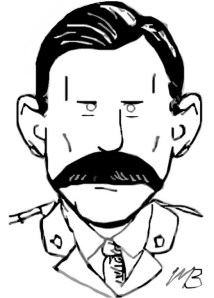
No doubt, the graves of the men who have fallen in France will be as well looked after as is possible, but those who have been over there know that numbers of men have been blown to atoms. Something should be done in their honor, something that would serve as a permanent reminder of their sacrifice.
(Col. Lang, Saskatoon Daily Star, 21 Jan 1919, 17)
Born on 4 August 1879 in Exeter, Ontario, Norman Lang was a farmer and rancher in Allan, Saskatchewan. The grey-eyed, moustachioed, six-foot-three Lang was a member of the 29th Light Horse and veteran of the Boer War. In April 1915, he was authorized to raise the 65th from the Saskatoon area.
A commemorative booklet memorialized the battalion before it went overseas:
The Sixty-Fifth to the war are gone,
In the ranks of Victory you’ll find them;
The Land of War still on before
And the Land of Love behind them
“Canada,” cried the warriors hold,
The chains of still should bind us
‘Gainst duty’s call they would not hold—
Though we leave our hearts behind us.
Although the unit was absorbed and disorganized upon arriving in England, its former commander reverted to a junior rank to go to France. Lang joined the 2nd Canadian Mounted Rifles in February 1917. After several months in the field, he fell ill due to an attack of enteritis and appendicitis. Admitted to the No. 10 Canadian field hospital in early August, he was discharged to England. In September 1917, he returned to Saskatchewan.
In the House of Commons, Liberal MP for Saskatoon, George Ewan McCraney, praised Lang for being one of the only colonels who agreed to serve in France at the rank of lieutenant: “I am very pleased to have an opportunity of mentioning Colonel Norman Lang’s name in this connection. He is a personal friend of mine and it is altogether to his credit that he took the action that he did.”
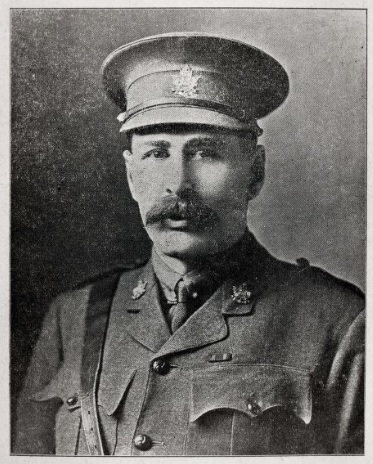 In November 1917, Lang agreed for his name to be put forward at the Unionist convention in the riding of Humboldt. Conservative Lieutenant-Colonel J. Harvey Hearn had withdrawn the month before, disavowing partisan politics and calling for a win-the-war unity effort. The incumbent Liberal Dr. David Neely also contested the Unionist nomination but local dissatisfaction with his positions meant the nomination went to Lang.
In the December federal election, Lang defeated Laurier Liberal Joseph Leonard Brown with 62% of the vote. The soldier vote was even more lopsided: 819 to 41.
In the House of Commons, he advocated for the repeal of the Wartime Elections Act, promoted western interests, and promised a “square deal” for all classes. Standing for re-election four years later, Progressive candidate Charles Wallace Stewart trounced Lang, who this time received just 7.5% of the vote.
On 25 July 1930, Lang died of a stroke while working on his farm.
Digitized Service File (LAC):
http://data2.collectionscanada.gc.ca/cef/5001-6000/5370-10.pdf
 World War Graphic History