2nd Infantry Battalion

2nd (Central Ontario) Battalion
1st Canadian Division
2nd BN 1 A

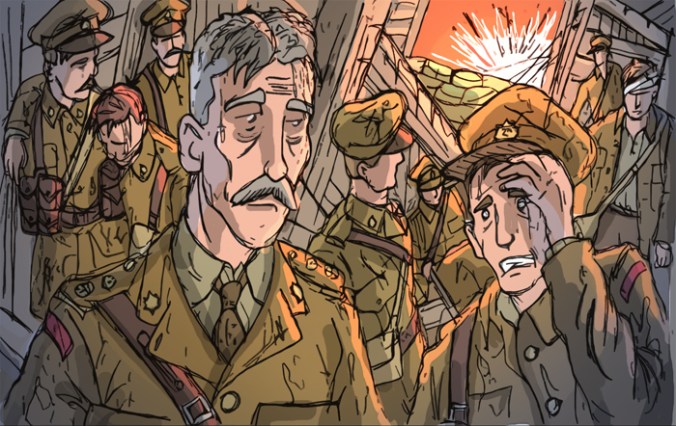
David Watson was the first 2nd Battalion CO, from September 1914 to August 1915, when he was promoted to command the 5th Infantry Brigade.
2nd Swift

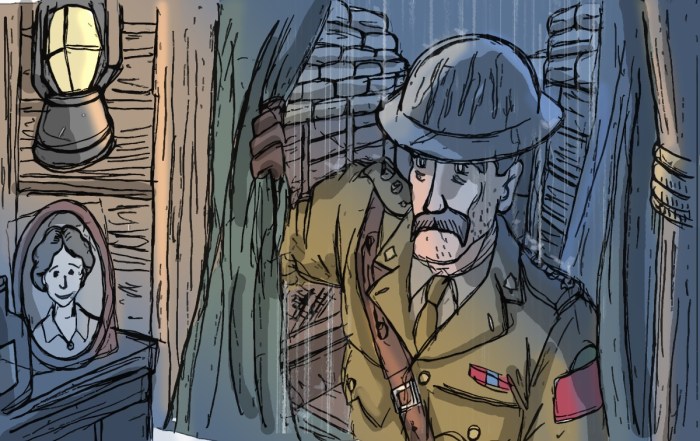
Albert E. Swift commanded the 2nd Battalion until November 1916, about when he learned that his wife had been killed by runaway horses in Quebec. Swift was appointed to command the 14th Infantry Brigade.

2nd Yates

Wilton Yates briefly command the 2nd Battalion until December 1916. While on a training course, Yates suffered severe head injuries when he was in an accident with an overturned bus.
2nd Clark

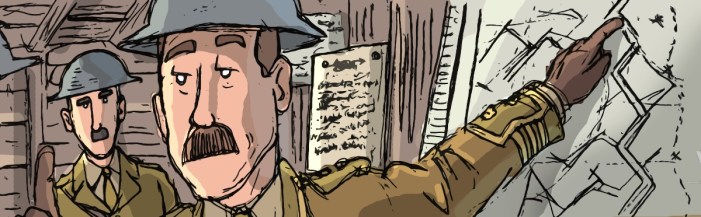
Robert Percy Clark transferred to the 2nd from command of the 14th Battalion. He relinquished command in May 1917.

2nd McLaughlin

Lorne McLaughlin commanded the 2nd Battalion from May 1917 until 30 August 1918, when he suffered a gunshot wound to the leg. He resumed command from October until the end of the war.
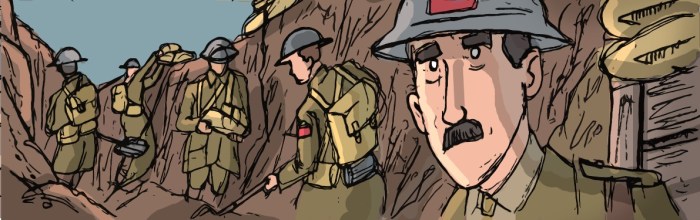
2nd Vanderwater

Roscoe Vanderwater temporary took over the 2nd when McLaughlin was wounded for the month of September 1918.
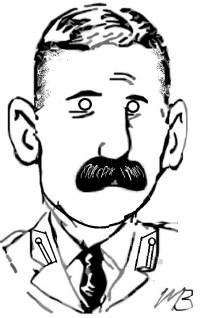
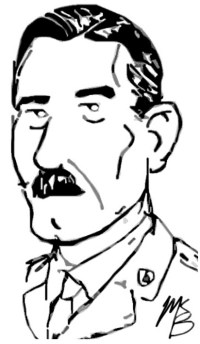
Col. Landry

Colonel Joseph Philippe Landry
2nd Training Brigade

Landry

Hon. Mr. W.H. SHARPE: May I ask the honourable gentleman a question?

Hon. Mr. LANDRY: Certainly.

Hon. Mr. SHARPE: At the present time the honourable gentleman’s own son is at the front fighting the battles of Canada and the Empire. I would like to ask him how he is going to meet that son when he returns to Canada?

Hon. Mr. LANDRY: That is a question of sentiment, not one of reason. My son has his ideas and I have mine.

(Senate Debates, 3 Aug 1917, 424)

Joseph Philippe Landry was son of Conservative Senator Auguste Charles Philippe Robert Landry (1846—1919), a strong francophone advocate and opponent of conscription. The younger Landry was born on 27 June 1870 in St. Pierre, Quebec. At the age of thirteen, he joined his father’s 61st (Montmagny) Rifles as a bugler. He became commanding officer of the 61st in 1901. In May 1915, Landry took command of the 5th Infantry Brigade in the CEF, but was replaced before it deployment to the field.

Continue reading

Lt. Col. Winsby

Lieutenant Colonel W.N. Winsby
47th (British Columbia) Battalion
Winsby

Had long interview with Col. Winsby, 47th Bn. over charges made against his ability as C.O. by Gen. Hilliam, & I gave him until tomorrow morning to send me in, in writing, his answer to these charges.

(Gen. David Watson, 4th Division, 8 Mar 1917)

The charges against Winsby are of so contrived a character and now so serious to his battalion and brigade, that I am compelled to recommend his removal from command.

(Gen. Watson, 4th Division, 20 Mar 1917)

William Norman Winsby was a Victoria teacher, principal and school inspector. He was born on 28 October 1874 in Leyburn, Yorkshire, England. He was a twenty-year member of the 5th Regiment and succeeded Arthur Currie as commanding officer in January 1914. At the end of that year, he received authorization to raise the 47th Battalion from New Westminster in November. Continue reading

The Schemer

Major General Sir David Watson, D.S.O.
2nd (Iron Second) BattalionWatson

Had he not been colonel he would have received the V.C. for this. Ypres made him a marked man, and it left its mark on him. His friends say that he aged ten years in the ten days, for he and his battalion were in the fiercest part of the fighting.

(F. A. McKenzie, Through the Hindenburg Line, 1918, 10)

David Watson was a sportsman, journalist and owner of the Quebec Morning Chronicle. He was born in Quebec City on 7 February 1869. In his youth, Watson played for the Quebec Hockey Club and became active in the 8th Royal Rifles. Watson, a Conservative Party supporter and friend of Militia Minister Sam Hughes, was selected to command the 2nd Battalion when the Canadian Expeditionary Force assembled at Valcartier.

Continue reading