Lieutenant Colonel William A. Lowry
82nd (Lowry’s Lions) Battalion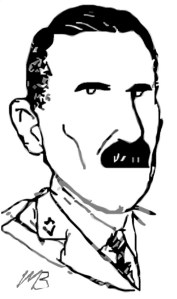
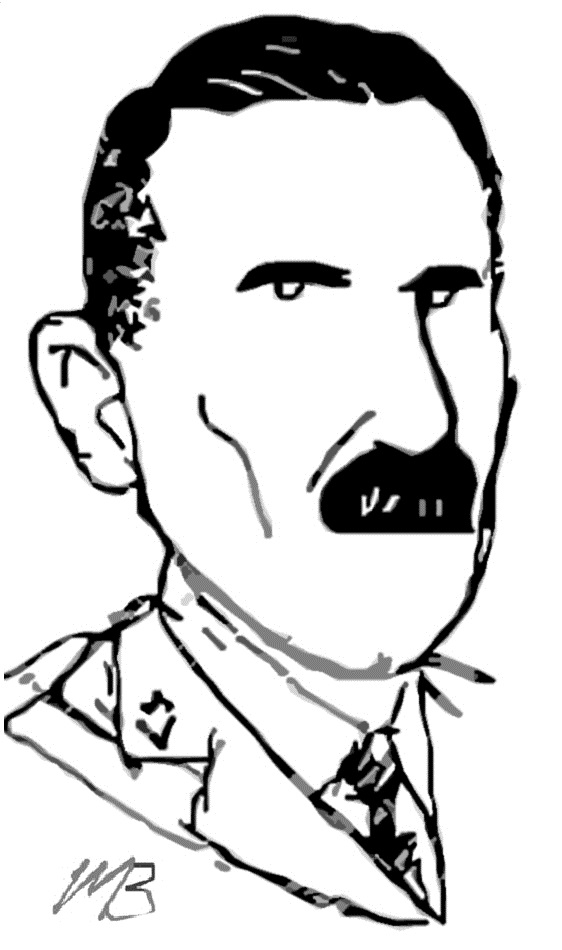
The attack was timed for 12 o’clock. There had been no preparation for any artillery fire from our side. The 10th battalion was given the position of honor–that in front. Not a shot was fired by the Germans until we were within 50 yards of the wood, then a most terrific rifle and machine gun fire commenced; it was practically a sheet of lead. In the space of a few seconds, possible between 700 and 800 of our men fell.
(Calgary Herald, 26 Nov 1915, 12)
In September 1914, William Arthur Lowry enlisted as an officer in Lieutenant Colonel Russ Boyle’s 10th Battalion at Valcartier. Born on 19 July 1878 in Wellington County, Ontario, Lowry was a veteran of Strathcona’s Horse in the Boer War and a member of the Corps of Guides since 1912. He was wounded in the second battle of Ypres and witnessed Boyle’s death in hospital on 25 April 1915.
After returning to Canada on leave, Lowry began to organize the 82nd Battalion based in Calgary. He toured various communities from Medicine Hat to Lethbridge to Strathmore in order to raise local companies. As a local newspaper explained, “so that these men will be allowed to remain together throughout the campaign. This is a matter which is much appreciated by the recruits.” This did not happen as the 82nd was another battalion destined to be broken-up. On arriving in England it was absorbed into the 9th Reserve Battalion to provide reinforcements.
Meanwhile Lowry was seconded to the War Office and worked with the British Cellulose Company to produce cellulose acetate, needed as non-flammable material for aircraft dope. He explained the process, “As everyone knowns, the wings of an aeroplane are constructed of a carefully-designed framework covered with fabric. It is essential that this fabric shall be not only waterproof and rot-proof, but also that it shall be as tightly stretched over the skeleton as the skin is over a drum.” With the supply of German cellulose acetate cut off and French material prioritized for the French air force, Lowry helped to construct a massive plant in England.
After the war, Lowry pursued business interests in the cellulose and fur industries. In Montreal, he became a mink breeder and president of Mount Royal Mink Ranch Ltd. He died in 1941.
 World War Graphic History