Lieutenant Colonel W. E. S. Knowles
129th (Wentworth) Battalion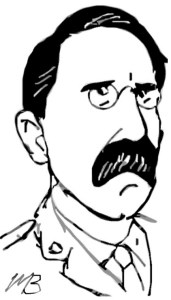
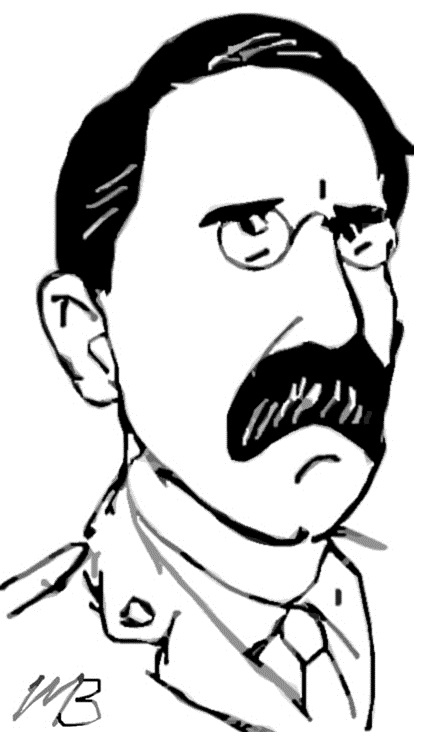
If you don’t like me and do not care to serve under me, go elsewhere, but go to the front. You married men who have been waiting no longer need hold back, as your wife will now get the $20 and your hours are from 9 to 6 and you are allowed to go to your home. Last week we only got 27 men, and to-night I found only three men in this audience who are willing.
(Quoted in Hamilton Spectator, 27 March 1916, 11)
William Edward Sheridan Knowles was a barrister, former mayor of Dundas (1894—1895) and commanding officer of the 77th Regiment. He was born in Wentworth County, Canada West on 3 October 1862. In December 1915, he was authorized to raise the 129th Battalion from his home region. Reporting on reluctant volunteers, a newspaper stated Knowles, “felt compelled to use more strenuous methods. They had not yet said anything ungentlemanly to anyone, but he was going to fill the battalion and was prepared to be rude if necessary to get them.”
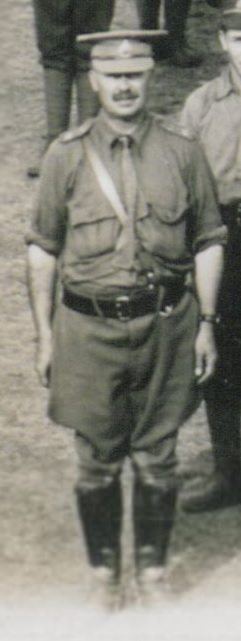 After arriving in England in August 1916, the 129th was divided between the 123rd and 124th Battalions before the remnant was absorbed into the 12th Reserves in October. The fifty-three year old Knowles returned to Canada in February 1917. A nephew, Lieutenant R. M. Knowles, was killed in action in August 1918.
After being struck off strength from the CEF, Knowles complained to the militia department: “I received my pay in full in England up to 31st January, but since then although I have written repeatedly to the Pay Office in Ottawa and also at Toronto I can get nothing but a reference from one office to the other, Toronto claiming that it has nothing to do whatever with paying those returned from England.” Given his personal wealth, it was a complaint of principal rather than financial need, adding “If I were dependent on my pay the withholding of it for all these months would be a very serious inconvenience.”
By the early 1920s, Knowles had sold his law practice in Dundas and moved to Santa Cruz, California. He died suddenly in a San Francisco hotel on 28 August 1931. In his will, he donated most of his $225,000 estate to the town of Dundas for municipal beautification, specifically to preserve the area around Webster’s Falls.
His daughter later contested the will but was unsuccessful in blocking the transfer of the estate to the town.
 World War Graphic History